A strategic step to ensure the sustainability of the agricultural sector
In a proactive step aimed at protecting plant resources and enhancing food security in the Kingdom of Saudi Arabia, the National Center for Plant Pest and Animal Disease Prevention and Control (Wiqa’) announced the adoption of new and updated lists of quarantine and non-quarantine pests subject to regulation. This decision comes as part of the Center’s ongoing efforts to implement the highest standards of plant health and protect the agricultural sector from the growing risks posed by transboundary pests.
General context and the importance of continuous updating
The “Wiqa’a” Center was established as a cornerstone for achieving the goals of Saudi Vision 2030 in the areas of food security and environmental sustainability. With the increasing global trade in agricultural products, the risk of introducing new pests and diseases that could cause significant economic losses for farmers and negatively impact local biodiversity is rising. Therefore, updating quarantine pest lists is a periodic and vital process, based on a thorough risk assessment and scientific analysis of potential threats, in line with international standards set by organizations such as the International Plant Protection Convention (IPPC).
Details of the new lists and their classifications
The approved lists included a precise classification of pests based on their severity, dividing them into quarantine pests (pests not found in the Kingdom or found only in a limited area and subject to official control) and non-quarantine pests (those subject to regulations). These lists encompass diverse categories including insects, mites, fungi, viruses, bacteria, and other plant pathogens. Among the most prominent quarantine pests included in the new lists are:
- Insects: Sapodilla fruit fly, guava fruit fly, Colorado potato beetle, and red palm weevil (as a regulated pest).
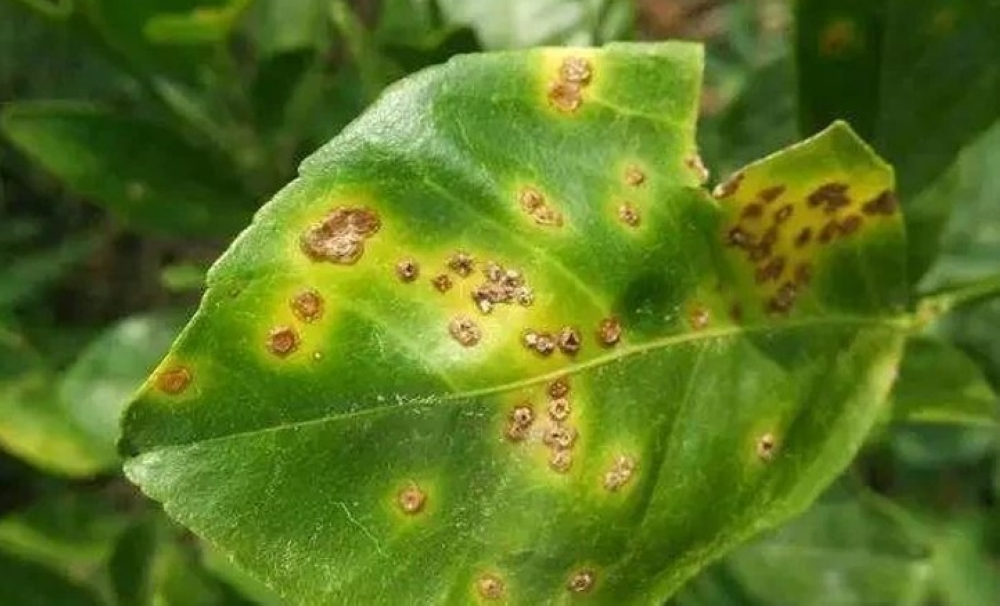
- Fungi and viruses: Diseases such as citrus blight, tomato yellow leaf curl virus, and citrus mosaic viruses, which pose a direct threat to strategic crops in the Kingdom.
Expected impact at the local and international levels
Domestically, implementing these lists will strengthen controls at border crossings (land, sea, and air) to prevent the infiltration of any listed pests. This, in turn, protects farmers' investments, reduces reliance on chemical pesticides, and ensures the safety and quality of local agricultural products, thus supporting self-sufficiency goals. Regionally and internationally, this measure enhances the Kingdom's standing as a reliable trading partner committed to international health agreements and standards, facilitates the movement of its agricultural exports to global markets, and contributes to global efforts to combat the spread of pests that threaten global food security.
The “Wiqa” Center confirmed that work on the updated lists will begin immediately from the date of publication of the decision in the Official Gazette, stressing the obligation of all competent authorities, governmental and private, to rely on them to ensure the application of the necessary preventive measures and to achieve the ultimate goal of a safe and sustainable agricultural sector.