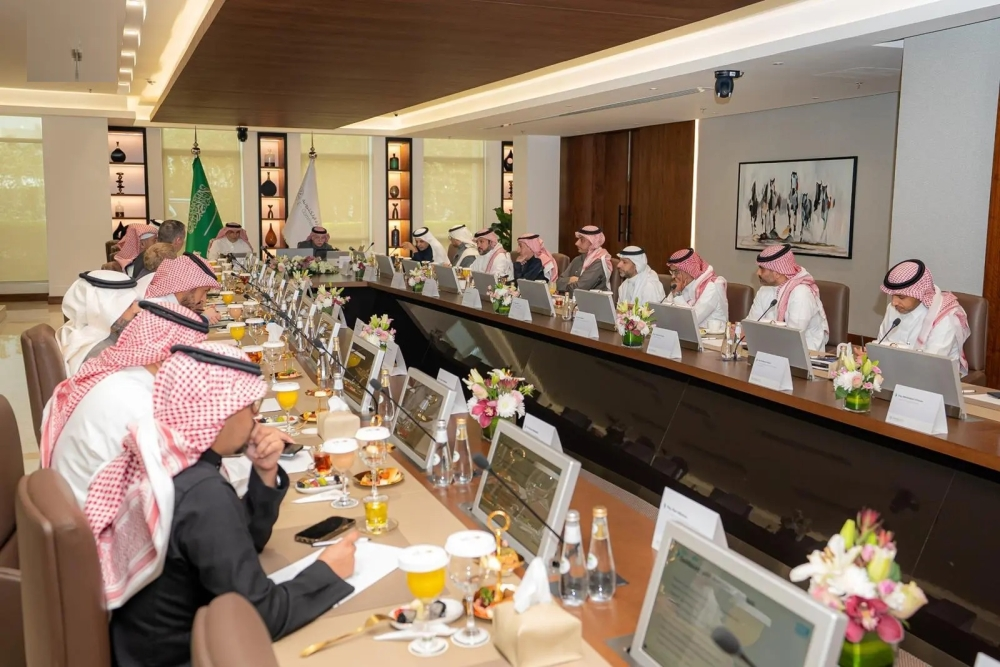
In a move reflecting the Kingdom of Saudi Arabia’s growing leadership in the digital economy, the United Nations Conference on Trade and Development (UNCTAD) praised the Kingdom’s innovative methodologies for measuring the size and value of e-commerce, stressing that it is among the first countries in the world to have established a scientific and reliable framework in this field, in line with the best international standards and practices.
Strategic partnership to boost the digital economy
This commendation came during a specialized workshop held as part of the 68th regular meeting of the Council on E-Commerce, which saw the participation of 25 government entities and was chaired by His Excellency the Minister of Commerce, Dr. Majid bin Abdullah Al-Qasabi. UNCTAD experts explained that the organization is collaborating closely with the Kingdom to develop a comprehensive framework that not only measures the volume of e-commerce but also assesses the extent of digital commerce adoption, measures the value of transactions, and analyzes the sector's growth. The aim is to enhance its competitiveness, support digital economy policies, and improve the efficiency of government services directed at the business sector.
To expedite this collaboration, the Council formed a specialized working group, chaired by its Secretariat and comprising representatives from 11 government entities, to oversee the project's implementation with UNCTAD. This project is expected to position the Kingdom as a leader on the global stage, given its comprehensive coverage of all e-commerce classifications according to internationally recognized definitions.
Background and context: E-commerce within the framework of Vision 2030
This development comes within the context of the comprehensive economic transformation underway in the Kingdom as part of Vision 2030, which places digital transformation and the development of the non-oil economy at the heart of its objectives. The e-commerce sector in Saudi Arabia has witnessed rapid growth in recent years, driven by advanced digital infrastructure, high internet penetration rates, and changing consumer behavior, particularly after the COVID-19 pandemic, which accelerated the shift towards online shopping. Accurate and reliable data on this vital sector is no longer a luxury, but a strategic necessity for formulating supportive policies, attracting investments, and empowering entrepreneurs and small and medium-sized enterprises (SMEs).
Importance and expected impact
At the local level, this rigorous methodology will provide decision-makers with reliable data to better understand market dynamics, identify gaps, and design more effective stimulus initiatives. Regionally, the Kingdom’s pioneering experience can serve as a model for other countries in the region seeking to develop their digital economies. Internationally, this collaboration with a prestigious UN body like UNCTAD strengthens the Kingdom’s position as an active partner in shaping the future of global trade and contributes to international efforts to standardize the measurement of the digital economy.
Facing seasonal challenges efficiently
During the meeting, the Public Transport Authority's plan to address peak demand during peak seasons, such as Ramadan, was reviewed. This period sees a significant increase in online orders. Data showed that e-commerce shipments during Ramadan last year rose by 18% to 26 million, compared to 22 million the previous year. Conversely, complaints saw a notable decrease from 4,330 to 1,700, reflecting the success of operational plans in enhancing the efficiency of logistics services and increasing customer satisfaction.