Strengthening cooperation towards sustainable urban development
In a strategic move aimed at shaping the future of Saudi cities, the Ministry of Municipal and Rural Affairs and Housing continues to strengthen its partnership with United Nations organizations. It organized the second workshop within the framework of the "National Urban Policy" development project, the first of its kind in the Kingdom. The workshop was held in cooperation with the United Nations Development Programme (UNDP) and the United Nations Human Settlements Programme (UN-Habitat), with broad participation from representatives of government agencies, the private sector, academic institutions, and international experts, reflecting the participatory approach adopted by the Kingdom in formulating its future policies.
General context: Vision 2030 and rapid urbanization
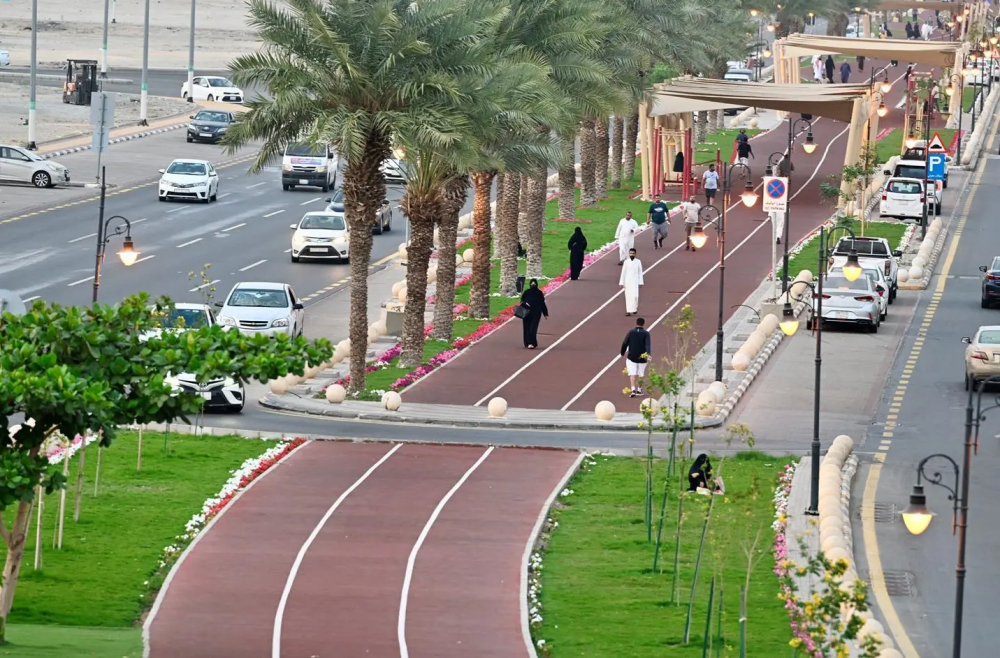
This initiative comes at a crucial time as Saudi Arabia undergoes an unprecedented economic and social transformation under the leadership of Vision 2030. Decades of rapid growth have led to massive urbanization, creating both new challenges and opportunities. The National Urban Policy aims to provide a comprehensive and unified framework to address these challenges, such as providing adequate housing, developing infrastructure, ensuring environmental sustainability, and improving the quality of life for residents. Through this policy, the Kingdom seeks to move from traditional urban planning to a more holistic and sustainable approach that ensures Saudi cities become engines of economic growth and centers of innovation and culture.
The importance of the event and its expected impact
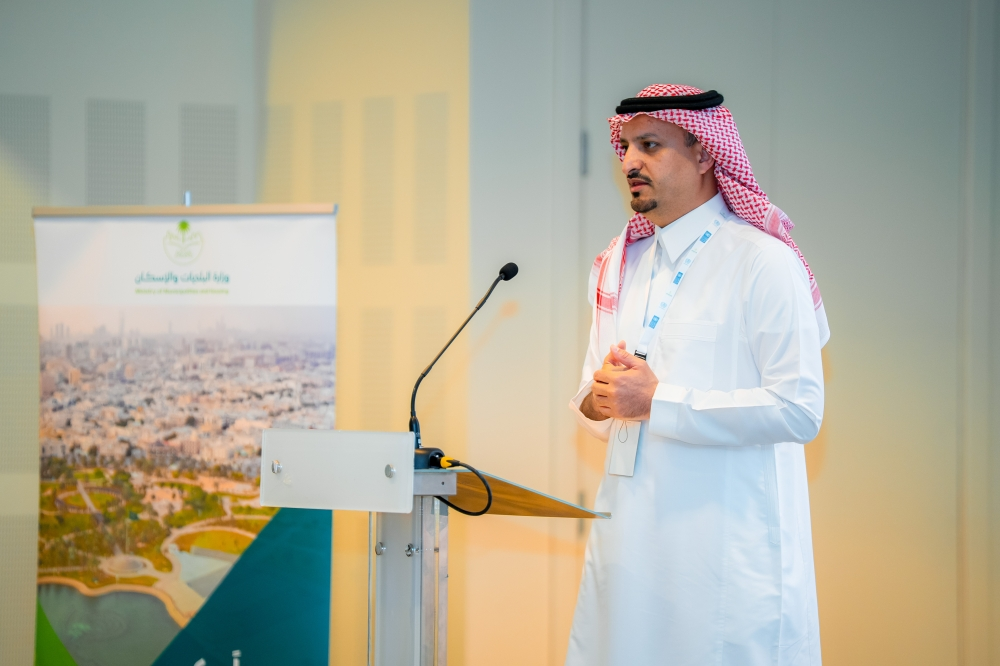
In his opening remarks, Khalid bin Mohammed Al-Ghamlas, Undersecretary of the Ministry of Municipal and Rural Affairs and Housing for Urban Planning and Lands, affirmed that developing the national urban policy represents a strategic step to enhance the efficiency of responses to current and future urban challenges. He added, "This stage is a crucial milestone in the policy development process, as the presented views and proposals will directly contribute to developing the next version of the policy and formulating its implementation framework in a more comprehensive and clear manner.".
At the local level , the policy is expected to bring about a qualitative shift in urban management and development by unifying efforts across various sectors, enhancing the efficiency of the planning system, and ensuring the equitable distribution of resources and services. At the regional and international levels , this partnership with the United Nations underscores the Kingdom's commitment to achieving the Sustainable Development Goals (SDGs), particularly Goal 11, which focuses on making cities and human settlements inclusive, safe, resilient, and sustainable. This step also positions the Kingdom among the leading nations adopting global best practices in urban planning.
Integration of national and international expertise
The workshop emphasized the importance of integrating national and international expertise. The UNDP Resident Representative in the Kingdom, Ms. Nahed Hussein, and the UN-Habitat Representative, Ms. Taina Christensen, commended the integrated approach and the importance of institutional cooperation to ensure the development of an urban policy capable of supporting sustainable development and enhancing the quality of life in the Kingdom's cities.
For her part, Ms. Taina Christensen noted that “a strong national urban policy can act as a linking fabric that brings together economic diversification, housing, infrastructure, environmental sustainability and quality of life across the cities and regions of the Kingdom.”.
Towards effective implementation and tangible results
The interactive discussion sessions during the workshop focused on reviewing the draft proposed policies and procedures, prioritizing urban challenges and opportunities, exploring mechanisms to enhance spatial integration, and improving resource efficiency. Implementation, operational, and follow-up pathways for the national urban policy were also discussed, with the aim of ensuring the desired impact and translating visions into tangible realities that benefit all residents of the Kingdom.