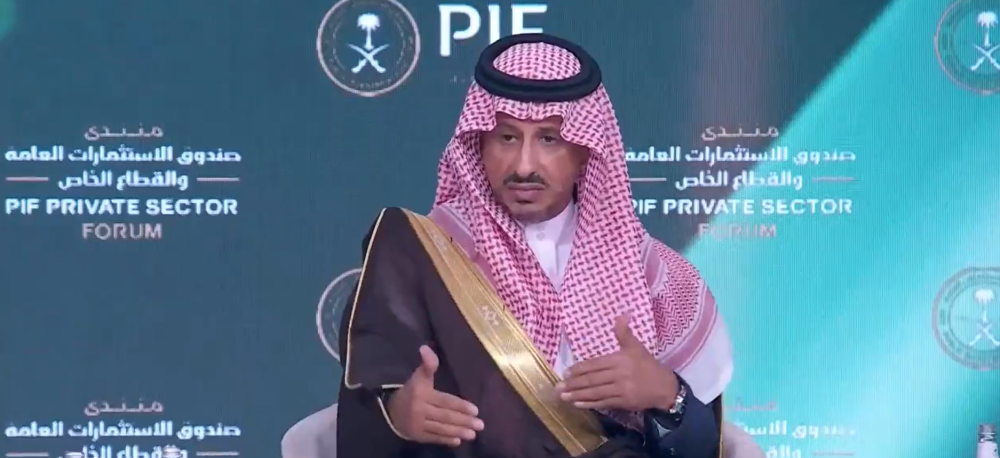
His Excellency the Minister of Tourism, Mr. Ahmed Al-Khatib, announced the massive investments being injected into the Saudi tourism sector, amounting to SAR 450 billion in the period from 2020 to 2030. This statement was made during a dialogue session within the activities of the fourth edition of the Public Investment Fund and Private Sector Forum, stressing that these investments represent a strategic partnership equally shared between the Public Investment Fund and the private sector, reflecting mutual trust and the national direction towards developing this vital sector.
Tourism as a key pillar of Vision 2030
These massive investments come within the context of the comprehensive economic transformation underway in Saudi Arabia under Vision 2030, which aims to diversify national income sources and reduce dependence on oil. The tourism sector is one of the key pillars for achieving this vision, with the Kingdom seeking to increase its contribution to GDP from the current 5% to 10% by 2030, in line with global standards. This transformation effectively began in 2019 with the Kingdom opening its doors to tourists from around the world, marking a historic starting point for the sector's growth.
Widespread economic and social impact
Minister Al-Khatib explained that the positive impact of these investments extends beyond the financial aspect, encompassing the creation of numerous job opportunities for Saudi citizens. He noted that the number of jobs in the Saudi tourism sector has jumped from 750,000 to over one million, underscoring the sector's significant capacity to absorb Saudi talent. As a primarily service sector, tourism contributes to providing diverse employment opportunities in hospitality, tour guiding, entertainment, transportation, and other areas, thus supporting sustainable social development.
The role of the Public Investment Fund in enabling major projects
The Public Investment Fund (PIF) has played a pivotal role in launching and developing world-class tourist destinations that would have been difficult for the private sector to develop alone due to their scale and the enormous infrastructure and capital requirements they demand. Mega-projects such as NEOM, the Red Sea Project, Qiddiya, and Diriyah are prime examples of this approach, where PIF has provided the essential infrastructure, opening the door for private sector investors to participate in building the hotels, resorts, and entertainment and commercial facilities that complement these destinations and enrich the visitor experience.
A promising future for Saudi tourism
The Kingdom possesses unique competitive advantages that make it a promising tourist destination on the global map. These advantages range from its spiritual significance as the heart of the Islamic world through religious tourism, to its immense geographical and cultural diversity, encompassing pristine Red Sea coastlines, ancient archaeological sites listed by UNESCO, vast deserts, and verdant mountains. Minister Al-Khatib called upon the private sector to capitalize on available opportunities and the advanced infrastructure to invest in developing innovative tourism experiences that meet the aspirations of visitors from both within the Kingdom and abroad, and to contribute effectively to achieving the Kingdom's goal of welcoming 150 million tourists by 2030.