Medical revolution in Riyadh: Localization of "hidden surgery" technology
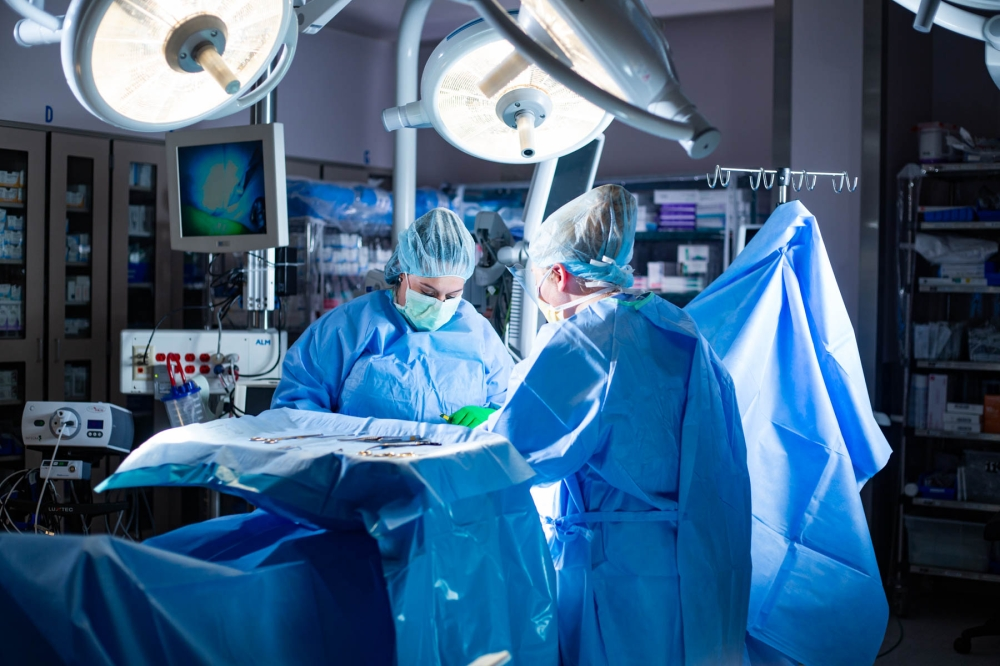
Dr. Yazid Al-Yousef, a consultant in obstetrics, gynecology, laparoscopic surgery, and robotics, announced the localization of single-incision laparoscopic surgery, known globally as "invisible surgery," in Riyadh. This achievement represents a significant advancement in women's surgery in the Kingdom, eliminating the suffering of many women from traditional surgical scars and offering an advanced treatment option previously limited to a few international medical centers, most notably in South Korea.
From open surgery to single-incision surgery: a historical evolution
The world of surgery has witnessed tremendous advancements over the past decades, from open surgery requiring large incisions and lengthy recovery periods to the laparoscopic surgery revolution of the late 20th century, which dramatically reduced the size of surgical scars. Today, single-incision laparoscopic surgery (SILS) represents the latest stage in this evolution, aiming to minimize the surgical impact. Instead of the multiple incisions required by traditional laparoscopic surgery, this innovative technique relies on a single, small opening, combining the precision of laparoscopy with the aesthetic appearance of minimally invasive surgery.
The mechanism of action of minimally invasive surgery and its multiple benefits
Dr. Al-Yousef explained that this advanced technique replaces traditional surgeries, which require multiple abdominal incisions, with a single incision no longer than 1.5 cm, made inside the navel. Through this single opening, the surgeon inserts all the necessary precision instruments and a camera to perform a wide range of complex gynecological procedures, such as hysterectomy, removal of ovarian cysts and fibroids, treatment of ectopic pregnancy, and tubal ligation. He emphasized that the most significant advantage of this technique is that the surgical scar is completely hidden inside the navel, maintaining a natural appearance as if the patient had not undergone any surgery. This has been reflected positively in studies that have shown an improvement in patient satisfaction of up to 80% compared to traditional surgeries.
Local and regional impact in line with Vision 2030
The localization of such advanced surgical techniques not only benefits patients but also supports the strategic goals of the Kingdom's Vision 2030 in the health sector. It contributes to raising the quality of healthcare provided to citizens and residents, reduces the need to travel abroad for treatment, and strengthens the Kingdom's position as a leading center of medical excellence in the region. Furthermore, integrating this technology with robotic surgery provides unparalleled precision, akin to the perfect surgeon's hand, and elevates safety and success rates to unprecedented levels. Thanks to the single-incision approach, the risks of infection, bleeding, and hernia are significantly reduced, especially for women who are overweight or have a history of surgery.
Faster recovery and better quality of life
In addition to its cosmetic benefits, unilateral endoscopy reduces pain by 30% to 50% by avoiding extensive muscle incisions. This minimizes the need for pain medication and shortens hospital stays to one day or less. Consequently, patients can return to their daily lives, work, and childcare more quickly, making it an ideal and economically and socially advantageous option that supports family stability and reduces long-term healthcare costs.