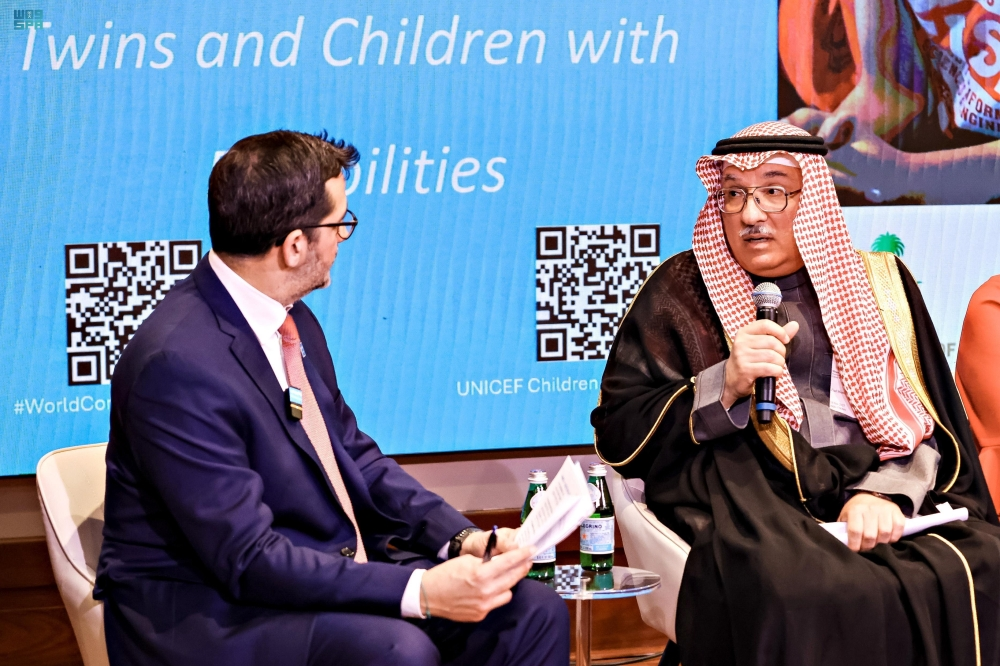
في محفل دولي بارز بمدينة نيويورك، سلطت المملكة العربية السعودية الضوء على أحد أبرز إنجازاتها الإنسانية والطبية، وهو “البرنامج السعودي لفصل التوائم الملتصقة”، الذي تحول على مدى ثلاثة عقود إلى نموذج عالمي يحتذى به في الرعاية الصحية المعقدة والعمل الإنساني. جاء ذلك خلال جلسة حوارية نظمها مركز الملك سلمان للإغاثة والأعمال الإنسانية بالتعاون مع منظمة الأمم المتحدة للطفولة (اليونيسف)، بمناسبة اليوم العالمي للتوائم الملتصقة.
خلفية تاريخية لبرنامج رائد
انطلق البرنامج السعودي لفصل التوائم الملتصقة في عام 1990م، بتوجيهات من القيادة الرشيدة، ليصبح علامة فارقة في تاريخ الطب السعودي والعالمي. يقود البرنامج فريق طبي وجراحي سعودي عالي الكفاءة برئاسة معالي المستشار بالديوان الملكي المشرف العام على مركز الملك سلمان للإغاثة والأعمال الإنسانية، الدكتور عبد الله بن عبد العزيز الربيعة، الذي أجرى وفريقه الطبي العديد من العمليات المعقدة التي حظيت باهتمام عالمي واسع. لم يقتصر دور البرنامج على تقديم العلاج للحالات داخل المملكة فقط، بل فتح أبوابه لاستقبال الحالات من مختلف أنحاء العالم، ليجسد رسالة المملكة الإنسانية التي تتجاوز الحدود الجغرافية والثقافية.
إنجازات عالمية وأثر إنساني عميق
خلال الجلسة الحوارية، استعرض المستشار الأول في المركز للأبحاث الطبية والإنسانية، زياد بن أحمد ميمش، الأرقام التي تروي قصة نجاح البرنامج. حيث تمكن الفريق الطبي السعودي من تقييم أكثر من 152 حالة من 28 دولة مختلفة في خمس قارات، ونجح في إجراء عمليات فصل لـ 67 حالة منها بنجاح تام. هذه الأرقام لا تعكس فقط التفوق الجراحي، بل تشير إلى منظومة رعاية متكاملة تشمل الدعم النفسي والاجتماعي والتعليمي للأطفال وعائلاتهم، مما يضمن لهم حياة كريمة ومستقرة بعد الجراحة. إن هذا النهج الشامل يضع البرنامج في طليعة المراكز العالمية المتخصصة في هذا المجال الطبي الدقيق.
الابتكار والتقنية في خدمة الإنسانية
لم يتوقف البرنامج عند حدود النجاحات الجراحية، بل واصل مسيرته نحو الابتكار وتبني أحدث التقنيات. وسلط “ميمش” الضوء على المبادرات النوعية التي يقودها المركز، مثل استخدام الطب عن بُعد لتقييم الحالات من دول بعيدة، وتوظيف الذكاء الاصطناعي في التخطيط الجراحي لزيادة دقة العمليات وتقليل المخاطر. كما يعمل البرنامج على تطوير سجل رقمي عالمي للتوائم الملتصقة، وهي مبادرة تهدف إلى تعزيز الأبحاث العلمية وتبادل الخبرات بين الأطباء والمختصين حول العالم، مما يساهم في تطوير بروتوكولات العلاج وتحسين النتائج للمرضى على مستوى العالم.
تأثير يتجاوز الطب: دبلوماسية إنسانية
يمثل البرنامج السعودي لفصل التوائم الملتصقة أحد أعمدة الدبلوماسية الإنسانية للمملكة العربية السعودية. فمن خلال تحمل تكاليف العمليات الجراحية والإقامة للأطفال وعائلاتهم من الدول الأقل نموًا، تقدم المملكة رسالة أمل وتضامن للعالم. هذا الدور الإنساني يعزز من مكانة المملكة على الساحة الدولية كدولة رائدة في العمل الخيري والإنساني، ويبرز الوجه المشرق للقطاع الصحي السعودي وقدرته على المنافسة عالميًا وتقديم حلول طبية مبتكرة لأكثر الحالات تعقيدًا.