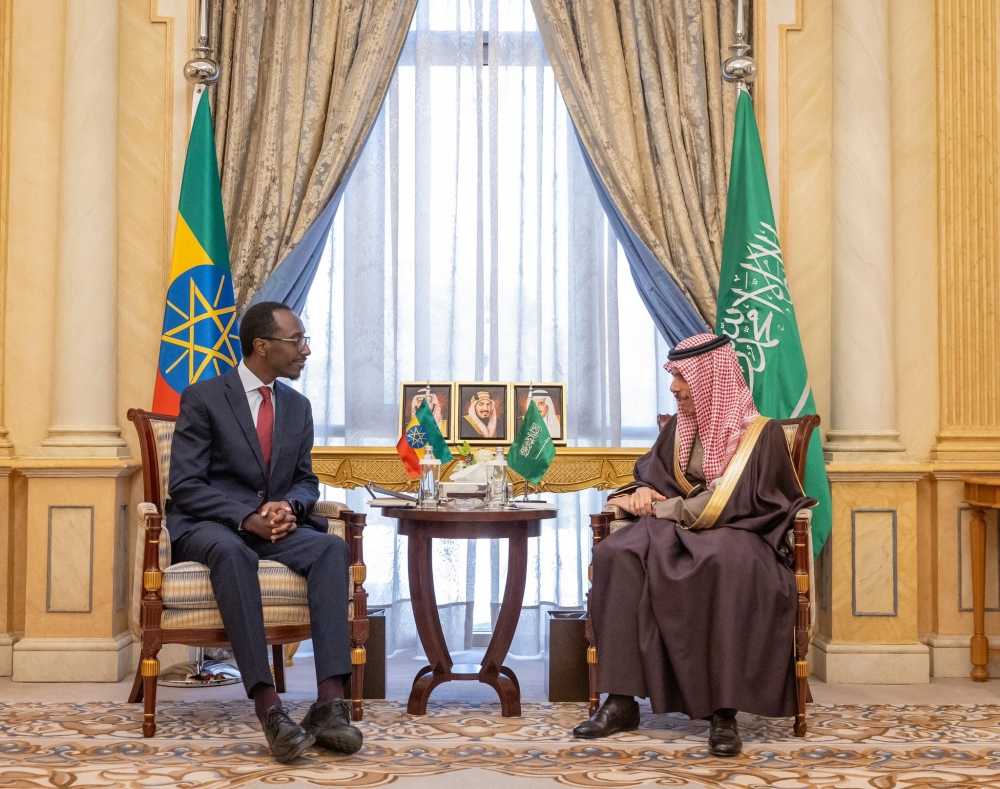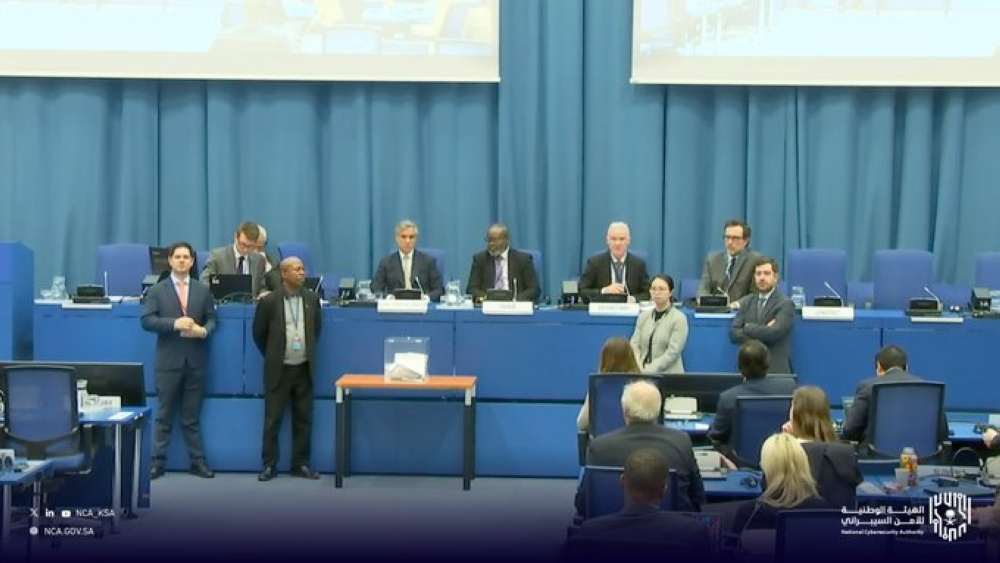
In a move reflecting its growing influence on the international stage in the field of digital security, the Kingdom of Saudi Arabia, represented by the National Cybersecurity Authority, actively participated in the meeting of the committee tasked with drafting the rules of procedure for the Conference of the States Parties to the United Nations Convention against Cybercrime. This pivotal meeting was held at the United Nations headquarters in Vienna, where the procedural rules that will govern the upcoming international conference were finalized.
Historical background and global context
This move comes at a time when cybercrime has become a transnational threat, targeting economies, critical infrastructure, and national security. Recognizing these risks, the United Nations initiated intensive negotiations years ago to develop the first comprehensive and legally binding international treaty to combat these crimes. This long-awaited convention is a significant historical development, being the first multilateral treaty under the auspices of the United Nations in this field in over two decades. It aims to unify international efforts and facilitate cooperation in prosecuting cybercriminals and exchanging information.
The Kingdom's leading role and its strategic importance
The Kingdom's participation was not merely a protocolary gesture; it played a leading role, particularly as chair of the Arab Cyber Diplomacy Committee, which stems from the Council of Arab Ministers of Cyber Security. It worked diligently with Arab states to unify visions and reach a common Arab position that supports the drafting of a fair and balanced internal framework for the agreement. This effort reflects the Kingdom's commitment to supporting stability in the global cyberspace, which aligns directly with the objectives of Vision 2030, which focuses on digital transformation and building a knowledge-based economy—a process that necessitates a secure and reliable cyber environment.
Expected impact at the local, regional, and international levels
Internationally, this agreement will help bridge legislative gaps between countries and provide a unified legal framework for extradition and the collection of digital evidence, thereby enhancing the effectiveness of combating cyberattacks, digital money laundering, and online fraud. Regionally, Saudi Arabia's leadership of the unified Arab position strengthens its position as an influential force in shaping digital and security policies in the region. Domestically, the National Cybersecurity Authority gains advanced international expertise and reinforces its role as the national authority responsible for protecting the Kingdom's vital interests and digital infrastructure, and for effectively representing it in international forums to ensure that international obligations align with supreme national interests.