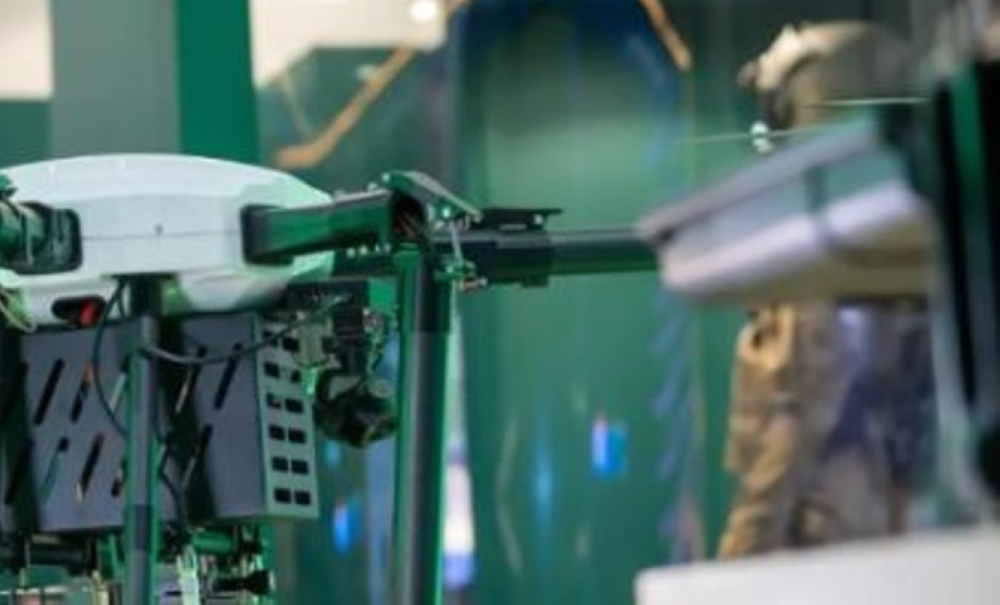
الأمن العام السعودي يكشف عن منصة “رؤى” للمراقبة الفضائية
في خطوة تعكس التزام المملكة العربية السعودية بتسخير أحدث التقنيات لخدمة ضيوف الرحمن، كشف الأمن العام السعودي عن منصة “رؤى” المتطورة، وذلك ضمن جناح وزارة الداخلية في معرض الطيران العام. تمثل هذه المنصة نقلة نوعية في آليات المراقبة وإدارة الحشود في المشاعر المقدسة، معتمدة على تكنولوجيا “الاستشعار عن بعد” والأقمار الصناعية.
ما هي منصة “رؤى” وكيف تعمل؟
تُعد منصة “رؤى” نظاماً متكاملاً يستخدم صور الأقمار الصناعية عالية الدقة لتنفيذ خطة تصوير فضائي يومي للمشاعر المقدسة في مكة المكرمة والمسجد النبوي في المدينة المنورة. تعمل المنصة على مدار الساعة خلال موسمي الحج والعمرة، حيث تقوم بجمع بيانات حيوية تشمل رصد درجات الحرارة بدقة، وتحليل التغيرات على سطح الأرض. تدعم هذه البيانات صناع القرار في إنتاج خرائط رقمية محدثة، ومقارنتها مع بيانات سابقة، مما يساعد في التخطيط الاستراتيجي والتوزيع المكاني الأمثل للمرافق والخدمات الأمنية والصحية.
السياق التاريخي: تطور إدارة الحشود في الحج
لطالما شكلت إدارة ملايين الحجاج والمعتمرين الذين يتوافدون سنوياً على البقاع المقدسة تحدياً لوجستياً وأمنياً هائلاً. على مر العقود، سعت المملكة إلى تطوير أساليبها باستمرار لضمان سلامة الحجاج وراحتهم. بدأت هذه الجهود بأساليب تنظيم تقليدية، ثم تطورت لتشمل استخدام الكاميرات الأرضية، وصولاً اليوم إلى توظيف الذكاء الاصطناعي وتكنولوجيا الفضاء. يأتي إطلاق منصة “رؤى” تتويجاً لهذه المسيرة الطويلة من التطوير، حيث توفر رؤية شاملة وعلوية تمكّن من اتخاذ إجراءات استباقية لمنع التكدس وإدارة تدفق الحشود بكفاءة غير مسبوقة.
الأهمية والتأثير المتوقع لمنصة “رؤى”
تتجاوز أهمية المنصة حدود المراقبة التقليدية، إذ تلعب دوراً محورياً في تعزيز العمل الميداني الأمني. من خلال تحليل البيانات الواردة من الفضاء، يمكن للقيادات الأمنية إدارة حركة المركبات، وتوجيه الفرق الميدانية إلى المواقع التي تتطلب تدخلاً سريعاً، وتحسين خطط الطوارئ. على الصعيد المحلي، تساهم المنصة في تحقيق مستهدفات رؤية المملكة 2030 الرامية إلى رفع جودة الخدمات المقدمة لضيوف الرحمن. أما على الصعيد الدولي، فإن هذا التطور التكنولوجي يرسل رسالة طمأنة للعالم الإسلامي، مؤكداً على أن المملكة لا تدخر جهداً في استخدام أحدث ما توصلت إليه العلوم لضمان أمن وسلامة الحجاج، مما يعزز مكانتها كقائدة للعالم الإسلامي وراعٍ للحرمين الشريفين.