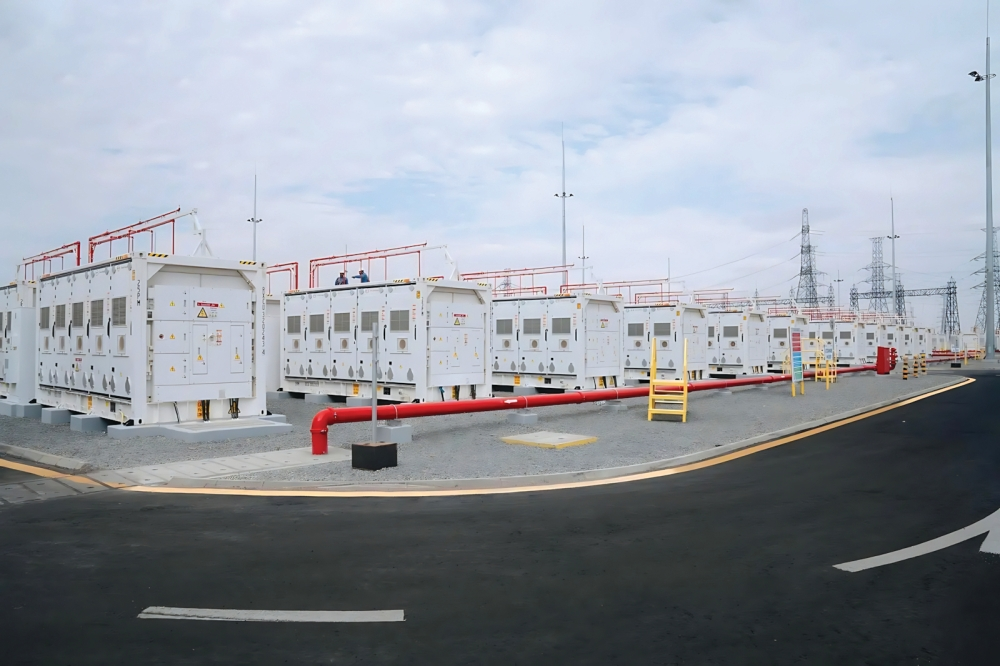
A recent Financial Times report highlighted the huge leap made by Saudi Arabia in the electricity storage sector, describing it as a “rising star” in this vital global market for 2025. This ranking reflects the strategic transformation that the Kingdom is undergoing in the energy sector, which goes beyond its traditional role as the world’s largest oil producer.
The British newspaper based its report on annual data from the Volta Foundation, which revealed that Saudi Arabia, which had no large-scale electricity storage batteries until 2024, has now achieved fifth place globally in terms of annual added storage capacity. According to Wood Mackenzie data, the Kingdom added nearly 3 gigawatts of storage capacity in the past year alone, a move described by Wood Mackenzie researcher Cecilie Christiansen as a “180-degree turnaround” and a “revolutionary advance” given the speed of implementation.
General context: Vision 2030 and the future of energy
This achievement cannot be separated from the broader framework of Saudi Vision 2030 , the ambitious plan to diversify the national economy and reduce dependence on oil revenues. The renewable energy sector is a cornerstone of this vision, with the Kingdom aiming to generate 50% of its electricity needs from clean sources by 2030. This highlights the strategic importance of electricity storage technologies. Solar and wind power, key sources in the Kingdom's plans, are characterized by their intermittent nature. Battery storage systems (BESS) address this issue by storing surplus energy produced during peak times (such as midday for solar projects) and releasing it into the grid when needed, thus ensuring grid stability and a reliable 24/7 power supply.
Importance and expected impact
Domestically , this trend enhances the Kingdom's energy security and supports the stability of its national grid, particularly with the expansion of mega-projects like NEOM and the Red Sea Project, which rely entirely on renewable energy. Regionally , Saudi Arabia's success offers a leading model for other countries in the region also seeking to diversify their energy sources, potentially stimulating a positive race towards sustainability. Internationally , the strong entry of a player the size of Saudi Arabia into the energy storage market contributes to increased global demand for these technologies, which could accelerate innovation and help reduce costs, thus serving the goals of the global transition to clean energy and combating climate change.
The Saudi Electricity Company's massive 7.8 GWh project, spanning three sites in the southwest of the Kingdom, is a tangible example of this commitment. Connected to the national grid using advanced technologies from the Chinese company Songro, this project represents a practical step towards achieving the Kingdom's ambitious goals and underscores its emerging position as a key player in the future of the global energy sector.