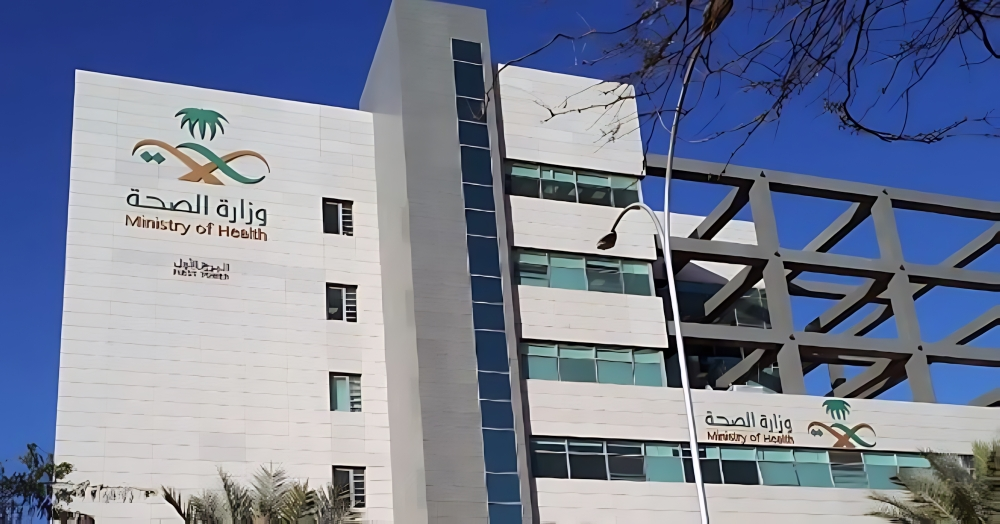
The Saudi Ministry of Health announced a major achievement in the field of public health, confirming that the Kingdom will be completely free of locally transmitted (original) malaria cases during 2024. This announcement came after conducting thorough and extensive laboratory tests that included more than 654,000 people in various regions of the Kingdom, where the results showed that all the recorded positive cases, which amounted to 7,041 cases, were either imported from outside the country or presented as a result of infection from an imported case.
The historical context of malaria control efforts in the Kingdom
This achievement is the culmination of decades of dedicated work within the National Malaria Control Program. Historically, certain regions of the Kingdom, particularly in the southwest such as Jazan and Asir, were classified as malaria-endemic areas due to their geographical and climatic conditions conducive to the breeding of the Anopheles mosquito, the disease vector. Since the mid-20th century, the Kingdom has launched comprehensive control programs focused on several strategic pillars, including vector control through insecticide spraying and swamp drainage, providing rapid diagnosis and effective treatment, and raising community awareness. These sustained efforts have led to a sharp decline in the number of local cases over the years, culminating in the Kingdom being certified malaria-free.
The importance of the achievement and its impact on health security
The declaration of the Kingdom as free of local malaria is not only a local health success, but also has significant regional and international dimensions. Locally, this achievement strengthens the national health security system and confirms the effectiveness of epidemiological surveillance and prevention systems in dealing with infectious diseases. Regionally, Saudi Arabia presents a successful model that neighboring countries with similar climatic conditions can utilize in their disease control programs. Internationally, this progress contributes to achieving the World Health Organization's strategic goals of eliminating malaria globally.
2024 Monitoring Statistics Details
Official statistics revealed that the overall malaria positivity rate did not exceed 1.07% of all tests conducted. Positive cases were categorized as 6,850 imported cases and 191 introduced cases, with zero native cases recorded. The Jazan region topped the list in terms of both the number of tests and detected cases, with 149,244 people tested and 3,251 positive cases recorded, reflecting the strength of surveillance in border regions, which form the first line of defense. The Asir region came in second with 869 cases, followed by Jeddah, which recorded the highest positivity rate, exceeding 5%, with 667 confirmed cases. In contrast, the Eastern Province demonstrated remarkable epidemiological stability, recording only 434 cases out of 124,000 tests, while Riyadh recorded 513 imported cases.
Laboratory results also revealed the types of parasites causing the disease, identifying 3,798 cases of the more dangerous Plasmodium falciparum and 2,876 cases of Plasmodium vivax/ovale, in addition to other cases. This success confirms the Saudi health system's ability to protect citizens and residents, while the challenge of preventing the disease's re-emergence through imported cases remains.