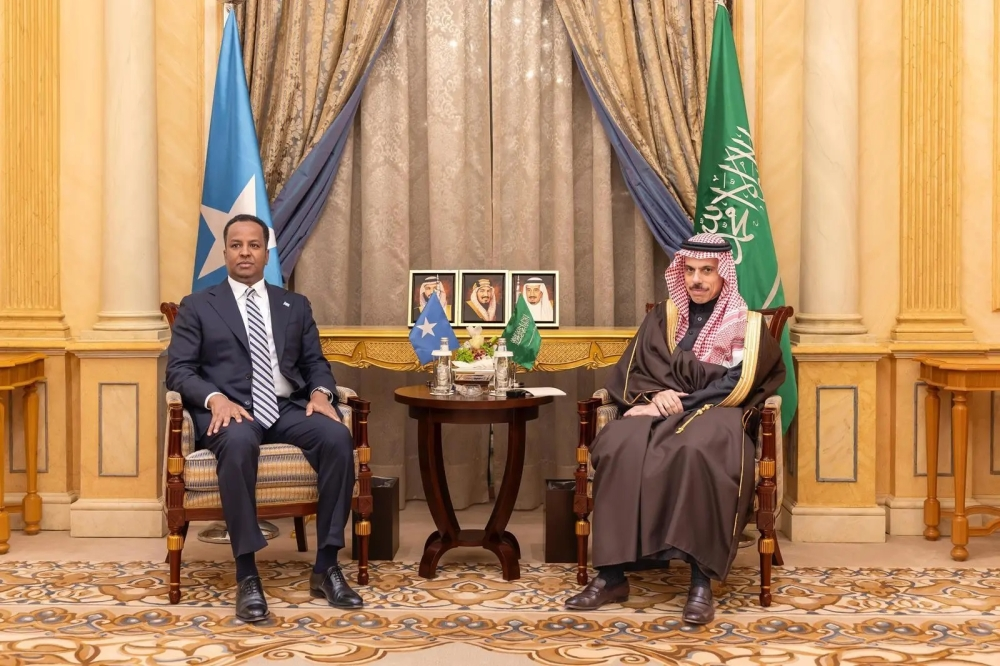
أعربت المملكة العربية السعودية عن موقفها الحازم والداعم لسيادة جمهورية الصومال الفيدرالية، مؤكدة رفضها القاطع لأي مساس بوحدة وسلامة الأراضي الصومالية. ويأتي هذا الموقف رداً على التحركات الأخيرة التي شهدت إعلان سلطات الاحتلال الإسرائيلي اعترافها بإقليم "أرض الصومال" (صوماليلاند)، في خطوة وصفتها الرياض بأنها عمل عدواني صارخ يهدد الأمن القومي العربي والأفريقي.
انتهاك للقانون الدولي وميثاق الأمم المتحدة
أكدت وزارة الخارجية السعودية أن الاعتراف الأحادي من قبل إسرائيل بإقليم انفصالي يُعد انتهاكاً فاضحاً للمبادئ الثابتة في القانون الدولي وميثاق الأمم المتحدة، الذي ينص بوضوح على احترام سيادة الدول وعدم التدخل في شؤونها الداخلية. وشددت المملكة على أن إقليم "أرض الصومال" لا يملك أي صفة قانونية تخوله عقد اتفاقيات دولية أو ممارسة أعمال سيادية بمعزل عن الحكومة الفيدرالية في مقديشو، باعتباره جزءاً لا يتجزأ من الخريطة الصومالية المعترف بها دولياً.
خلفية تاريخية وسياق الأزمة
لفهم أبعاد هذا الموقف، تجدر الإشارة إلى أن إقليم "أرض الصومال" أعلن انفصاله من جانب واحد في عام 1991 عقب انهيار الحكومة المركزية في الصومال، إلا أنه لم يحظَ باعتراف دولي من الأمم المتحدة أو المنظمات الإقليمية الكبرى. وتأتي المحاولات الإسرائيلية للدخول على خط الأزمة لاستغلال حالة الانقسام السياسي، وهو ما تعتبره الدول العربية والإفريقية محاولة لشرعنة الانفصال وزرع كيانات غريبة في جسد القارة السمراء.
أبعاد استراتيجية ومخاطر على البحر الأحمر
تتجاوز المخاوف السعودية البعد السياسي لتصل إلى عمق الأمن الاستراتيجي للمنطقة؛ حيث ترى المملكة أن التواجد الإسرائيلي في هذا الإقليم يهدف للسيطرة على مفاصل حيوية في القرن الأفريقي. ويشكل هذا التحرك خطراً مباشراً على أمن البحر الأحمر ومضيق باب المندب، الذي يُعد شريان الحياة للتجارة العالمية ونقل الطاقة. إن أي توتر أو عسكرة لهذه المنطقة الحساسة من قبل قوى معادية يهدد سلاسل الإمداد العالمية والأمن القومي للدول المشاطئة للبحر الأحمر، وعلى رأسها المملكة العربية السعودية ومصر.
تحذير من العزلة الإقليمية
وجهت المملكة رسالة ضمنية لسلطات الإقليم الانفصالي، محذرة من أن الانخراط في أجندات مشبوهة تقودها إسرائيل سيؤدي إلى عزل الإقليم وشعبه عن محيطه العربي والإسلامي. وأشارت إلى أن مصلحة سكان الإقليم تكمن في الحفاظ على الروابط التاريخية مع الدولة الأم ومحيطها الجغرافي، بدلاً من التحول إلى بؤرة توتر تخدم مصالح الاحتلال. ودعت الرياض المجتمع الدولي إلى تحمل مسؤولياته في رفض هذه الإجراءات الأحادية والحفاظ على استقرار منطقة القرن الأفريقي التي لا تحتمل المزيد من الصراعات.