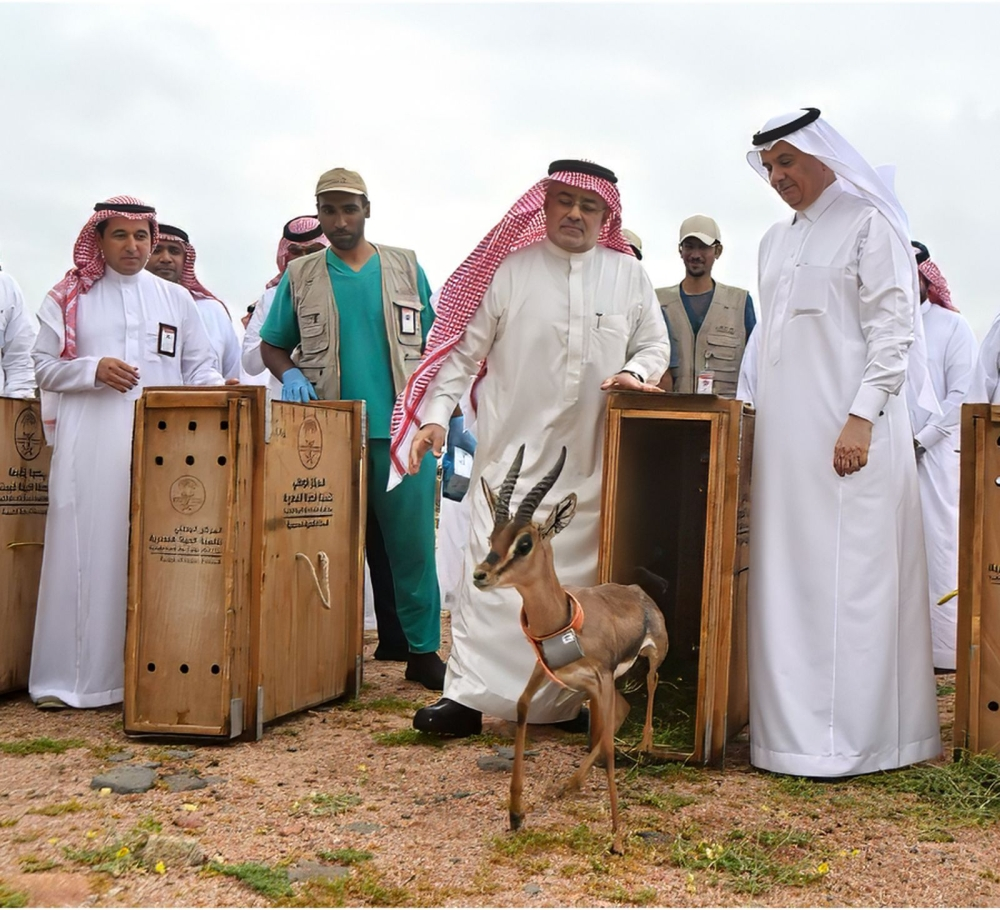
The National Center for Wildlife Development in Saudi Arabia announced a significant environmental achievement: the release of over 10,000 wildlife into various national reserves and parks. This step culminates ongoing efforts within breeding and reintroduction programs for endangered native species and reflects the Kingdom's unwavering commitment to protecting biodiversity and restoring natural ecosystems.
Historical context and ambitious national efforts
This initiative comes at a historical juncture, as wildlife in the Arabian Peninsula has faced significant challenges for decades, most notably overhunting, urban sprawl, and habitat degradation. These factors have led to the local extinction of some species and a sharp decline in the populations of others. Recognizing these threats, the Kingdom of Saudi Arabia, within the framework of Vision 2030 and the Saudi Green Initiative, launched a comprehensive national environmental strategy. The National Center for Wildlife Development serves as the primary executive arm for conservation, breeding, and reintroduction programs.
The importance of the program and its environmental impact
Dr. Mohammed Ali Qurban, CEO of the center, explained that releases are vital tools for restoring the balance of ecosystems. The return of these creatures to their natural habitats not only contributes to protecting biodiversity but also plays a pivotal role in improving environmental quality. Many of these species, such as the Arabian oryx and the Arabian gazelle, contribute to the regeneration of vegetation through grazing and seed dispersal, while birds like the houbara bustard play a role in the food chain. This positive impact extends to combating desertification and enhancing the ability of ecosystems to adapt to climate change.
Species diversity and an integrated scientific approach
Over the past years, release programs have included more than 80 species of nationally prioritized wildlife, including Arabian oryx, Arabian gazelle, mountain goat, houbara bustard, ostrich, and sand cat. Dr. Qurban emphasized that these programs are based on rigorous scientific and research foundations, beginning with the selection of suitable breeds at research centers, continuing with specialized veterinary care and nutrition, and culminating in the rehabilitation of the animals for release and their field monitoring using the latest monitoring technologies to ensure their adaptation and successful integration into their new environments.
A future vision towards environmental sustainability
The Kingdom is looking to expand these efforts, with breeding programs increasing from 7 to 21, and aiming to reach 50 by 2030. More than 60 release sites are carefully selected within the geographical and historical range of each species to ensure habitat suitability and carrying capacity. These integrated efforts not only contribute to achieving the environmental goals of Vision 2030 but also enhance the Kingdom's position as a regional leader in nature conservation and open new horizons for responsible ecotourism, thus ensuring a prosperous and sustainable future for generations to come.