A strategic step towards sustainable agriculture
In a significant regulatory step aimed at enhancing food security and environmental sustainability, the National Center for Plant Pest and Animal Disease Prevention and Control (Wiqa’) in Saudi Arabia has adopted a new procedural guide outlining seven essential requirements for registering, importing, producing, and using biological control agents. This decision comes as part of the Kingdom’s efforts to regulate the biological control sector as a safe and effective alternative to traditional chemical pesticides, while imposing a strict ban on the import or use of any genetically modified organisms in this field.
General context: The global shift towards biological control
Historically, the agricultural sector worldwide has relied heavily on chemical pesticides for pest control. While initially effective, their overuse has led to increasing environmental and health problems, such as soil and water pollution, harm to beneficial insects like bees, and the emergence of pesticide-resistant pest strains. As a result, the concept of “biological control” has emerged as a key component of Integrated Pest Management (IPM) systems. This approach utilizes living organisms (predators, parasites, or pathogens) to reduce agricultural pest populations, thereby maintaining ecological balance and minimizing agriculture’s carbon footprint.
This regulatory step is in line with the goals of Saudi Vision 2030, which places great importance on protecting the environment and developing the agricultural sector in sustainable ways, and ensuring the production of safe and healthy food for citizens and residents.
The importance of the decision and its expected impact
This new organization is of paramount importance on several levels:
- Locally, this will provide Saudi farmers with a clear and secure framework for accessing environmentally friendly pest control solutions, enhancing the quality and competitiveness of local agricultural products. It will also ensure the protection of local biodiversity by preventing the introduction of invasive species that could harm the ecosystem.
- Regionally: These regulations place the Kingdom among the leading countries in the region in regulating modern and sustainable agricultural technologies, and may serve as a model for neighboring countries to unify standards and procedures.
- Internationally: The decision reflects the Kingdom’s commitment to international standards and agreements related to phytosanitary measures and biosafety, which facilitates international trade in agricultural products and enhances the Kingdom’s reputation as a responsible agricultural producer.
The top 7 requirements for regulating biological enemies
The guide issued by the “Prevention” Center stipulates a set of precise conditions to ensure the safe and effective use of biological control agents, the most prominent of which include:
- Pre-registration: The biological enemy to be imported or produced must be registered on the positive list approved by the center.
- Ban on genetically modified organisms: The import, production, or release of any genetically modified biological enemy is strictly prohibited.
- Risk assessment: Any new (unregistered) biological enemy is subject to a comprehensive assessment of potential risks to human and animal health and local biodiversity.
- Import permit: No import operation shall take place except after obtaining official permission from the Plant Health Sector at the “Wakaa” Center, based on a recommendation from a specialized technical committee.
- Production and quality standards: Local production units must adhere to strict quality standards to ensure that products are free from contaminants and effective in combating the targeted pest.
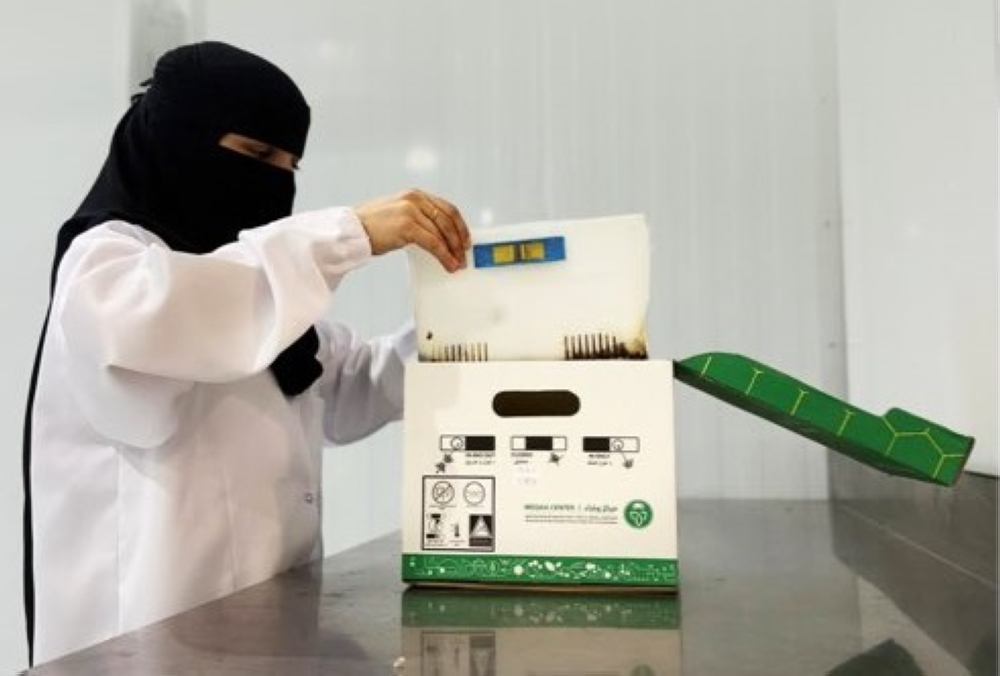
- Packaging: The containers must be secure and designed to preserve the viability of the organisms, with a clear identification label that includes all the necessary information.
- Monitoring and tracking: Importers and producers are committed to tracking and monitoring the release of biological enemies in the field and assessing their effectiveness and unintended effects.
The role of the technical committee and the “Wiqa” center
The “Wiqa’a” Center manages all files related to the registration and importation of biological control agents. A technical committee comprised of experts in plant protection, biological control, and the environment reviews applications, evaluates technical files, and makes decisions regarding approval or rejection. The center reserves the right to revoke any license in the event of non-compliance with the specified standards and updates the list of permitted biological control agents periodically.
Adopting these requirements represents a qualitative shift in agricultural practices in the Kingdom, and confirms the trend towards an agricultural future that balances high productivity with the preservation of precious natural resources.