A new regulatory step for the delivery sector in the Kingdom
The Public Transport Authority in Saudi Arabia has announced a draft of new regulations aimed at restructuring the freight transport and delivery sector using motorcycles. This move comes as part of the Kingdom's efforts to regulate emerging economic sectors and raise safety and quality standards. The new regulations restrict this activity to licensed establishments only, strictly prohibit individuals from operating independently in this field, and impose a set of stringent technical and operational controls.
General context and growth of the delivery sector
The food delivery sector in Saudi Arabia has witnessed rapid growth in recent years, driven by the proliferation of e-commerce and food delivery applications. This growth accelerated significantly after the COVID-19 pandemic, which altered consumer patterns. This substantial expansion has led to regulatory and security challenges, primarily the lack of clear standards for vehicles and drivers, raising concerns about traffic safety and the quality of transported products. This regulation is a necessary government response to organize this vital market, aligning with the goals of Saudi Vision 2030, which aims to improve quality of life and develop the regulatory environment for economic activities.
Key features of the new regulations
The draft executive regulations included a set of fundamental conditions aimed at professionalizing the service and ensuring the safety of all parties. Among the most prominent of these conditions are:
- Restricting the activity to establishments: The regulation prohibited individuals from practicing the activity, and required companies to obtain an official license and pass the experimental regulatory environment stage to ensure full compliance with the standards.
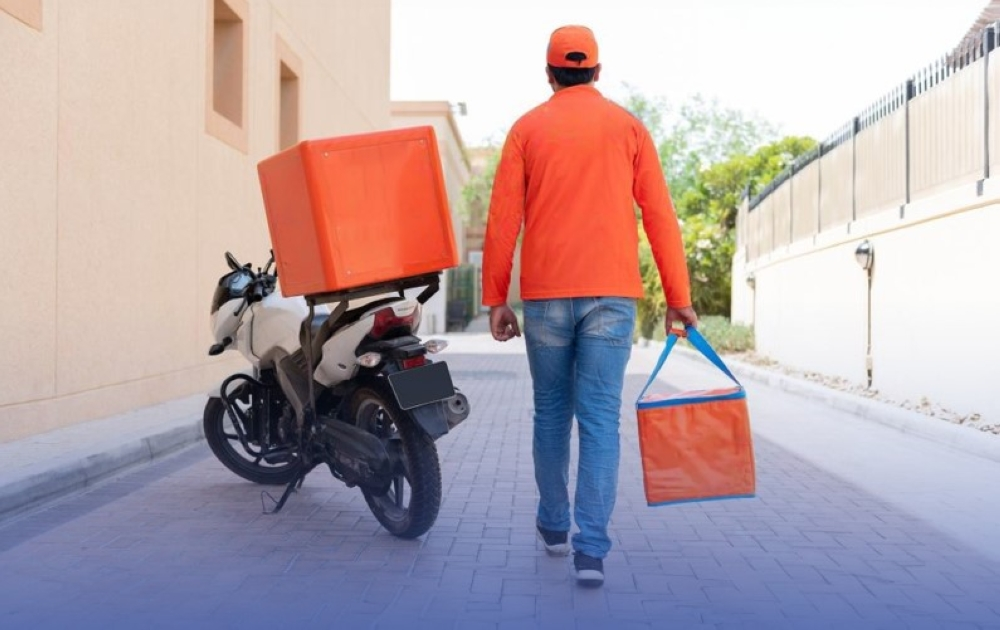
- Vehicle requirements: The regulations stipulate that the operational age of the motorcycle must not exceed four years from the year of manufacture. The use of backpacks for carrying goods is prohibited, and the motorcycle must be fitted with securely closed cargo boxes fixed to the frame to ensure stability and the safety of the cargo.
- Driver requirements: Each driver must possess a valid "professional driver's card" and have a clean driving record. The regulations also stipulate the necessity of wearing a uniform and full personal protective equipment, including a helmet, gloves, and protective vests.
- Supporting localization: The regulations require companies to appoint a Saudi national operations supervisor for every 50 motorcycles operating in the fleet, with the aim of enhancing direct oversight and creating job opportunities for citizens.
Expected impact on the market and society
These new regulations are expected to have a multifaceted positive impact. Locally, they will significantly improve road safety by establishing technical standards for drivers and motorcycles, and reducing accidents caused by motorcycles becoming unbalanced due to backpacks. They will also enhance consumer confidence in service quality and product safety, particularly food products. Economically, this move will transform the sector from an informal, freelance economy to a professional, institutionalized one, opening the door to quality investments and guaranteeing the rights of all parties. Regionally, this Saudi experience could serve as a regulatory model for other countries in the region facing similar challenges in regulating their growing delivery sectors.