Positive outlook for the Saudi real estate sector
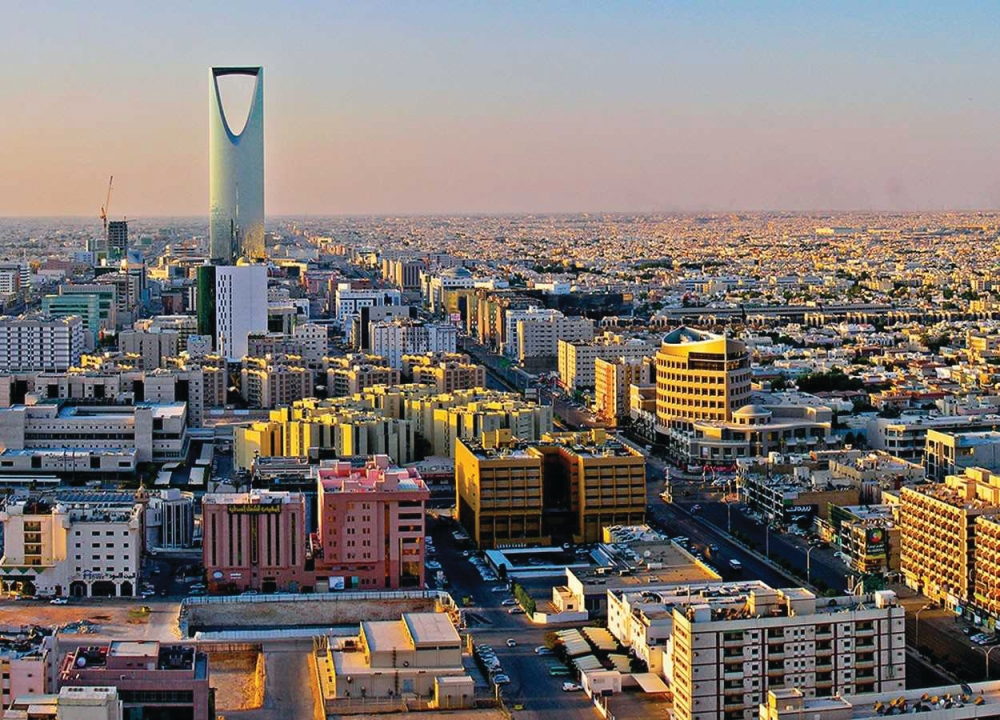
A recent report by Kuwait Financial Centre (Markaz) predicts that the real estate market in Saudi Arabia and the GCC countries will maintain its upward trajectory until the first half of 2026. This optimism is based on the strong momentum witnessed by the sector during the second half of 2025, supported by a range of economic and strategic factors that enhance its investment appeal.
General context: Vision 2030 is the primary driver of transformation
The current and future growth of the Saudi real estate market cannot be understood in isolation from the broader strategic framework of Saudi Vision 2030. This ambitious plan, launched in 2016, aims to diversify the Kingdom’s economy and reduce its dependence on oil by developing new economic and service sectors. This vision has led to the launch of mega-projects such as NEOM, the Red Sea Project, Qiddiya, and Diriyah Gate, which are not only building new cities and communities but also creating enormous demand for residential, commercial, hospitality, and logistics real estate, thus laying a solid foundation for long-term sustainable growth.
4 key factors supporting expected growth
The report identified four key drivers that will support the performance of the real estate market in the coming period, namely:
- Non-oil economic growth: Expansion in non-oil sectors such as tourism, entertainment, technology, and financial services forms the cornerstone of the diversification strategy. This growth creates new jobs and attracts talent and expertise from within and outside the Kingdom, increasing demand for residential units and office space.
- Government spending on infrastructure: The Saudi government continues to invest heavily in infrastructure and development projects, such as expanding airports, public transportation networks, and special economic zones. This spending not only improves the quality of life but also increases the value of real estate assets in the surrounding areas.
- Increased oil production: Despite diversification efforts, the oil sector still plays an important role in financing government projects and supporting liquidity in the economy, which positively impacts consumer and investor confidence.
- Interest rate cuts are expected to improve liquidity in the banking sector and boost credit growth. This will make it easier for individuals to access mortgages at lower interest rates and encourage developers to finance new projects, thus stimulating both supply and demand in the market.
Performance of key real estate sectors
Saudi Arabia’s real estate sector has witnessed residential unit transactions rising 17.9% quarter-on-quarter in Q3 2025, with Riyadh and Jeddah leading the list of most active cities. Conversely, the office sector is under significant pressure due to high demand from the regional headquarters program, which encourages international companies to establish their headquarters in the Kingdom, as well as expansion in the healthcare and technology sectors.
Importance and expected impact
This continued growth in the real estate sector of strategic importance to the Kingdom, as it not only contributes to achieving the goals of Vision 2030 related to increasing homeownership rates among citizens, but also strengthens Saudi Arabia's position as a regional and global hub for business and investment. Based on these indicators, the report suggests that the Kingdom's real estate market remains in a phase of rapid growth, promising promising investment opportunities and potential gains for investors in the coming years.