Weather forecast for the start of the holy month of Ramadan
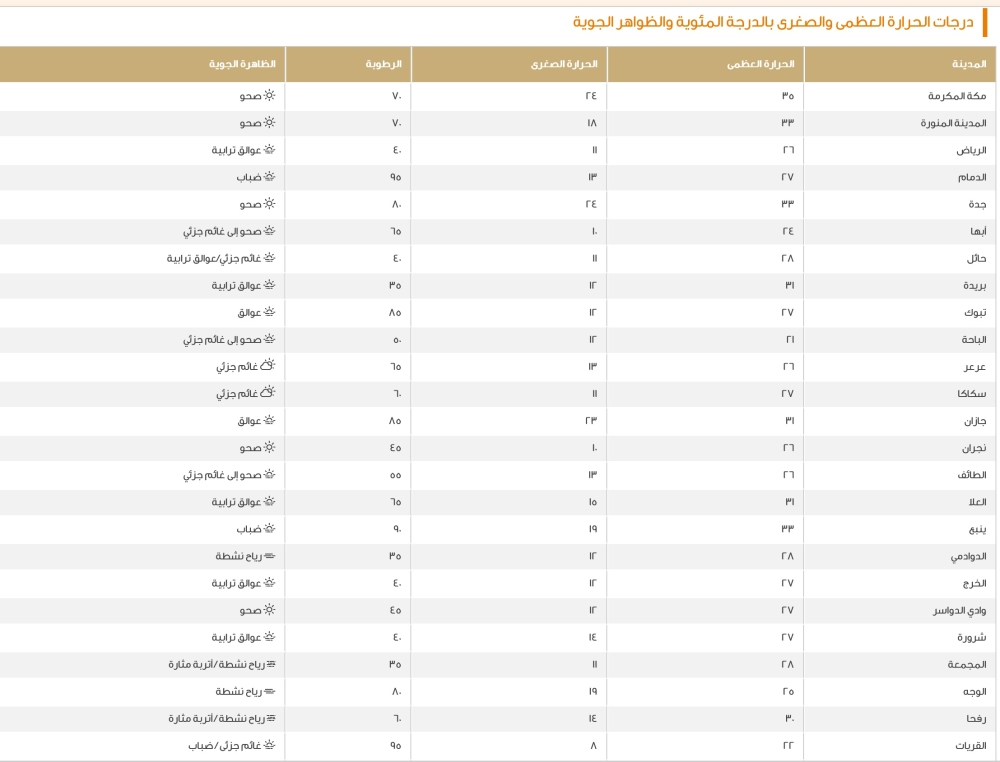
The National Center for Meteorology in Saudi Arabia issued its detailed report on the expected weather conditions for the first days of Ramadan, indicating continued weather fluctuations across most regions of the Kingdom. The forecast suggests a continued chance of light rain in the northern parts of the country, with the possibility of fog forming during the night and early morning hours in parts of the Eastern and Northern regions, which could reduce horizontal visibility.
Active winds and dust dominate the atmosphere
Meanwhile, the impact of active surface winds stirring up dust and sand continues, reducing horizontal visibility across large parts of the Kingdom. The affected areas primarily include the Northern Borders, Al-Jawf, Tabuk, Hail, and Madinah regions. The effects of these winds also extend to the eastern parts of the Makkah region, as well as Al-Qassim, Riyadh, and the Eastern Province, necessitating caution, especially for those with respiratory conditions and allergies.
Climate context and the importance of forecasts
These weather fluctuations occur during a climatic transition period, as the Kingdom moves from winter to spring. This period is typically characterized by the activity of low-pressure systems that cause strong winds and dust storms, known locally as "Al-Ajaj." Monitoring these forecasts is particularly important during Ramadan, as they directly affect those fasting. Dusty conditions can increase thirst and impact respiratory health. Rain, even light rain, is always welcomed in the region and considered a blessing, helping to cool the air and clear the air of dust.
Expected effects on daily life
These weather conditions are expected to affect land and air transport due to reduced horizontal visibility in some areas. Therefore, relevant authorities, such as Civil Defense and Highway Patrol, urge citizens and residents to follow the warnings issued by the National Center of Meteorology and to exercise caution while driving on highways. It is also advised to avoid unnecessary outdoor activities during periods of dust storms to ensure public safety.
State of the Red Sea and the Arabian Gulf
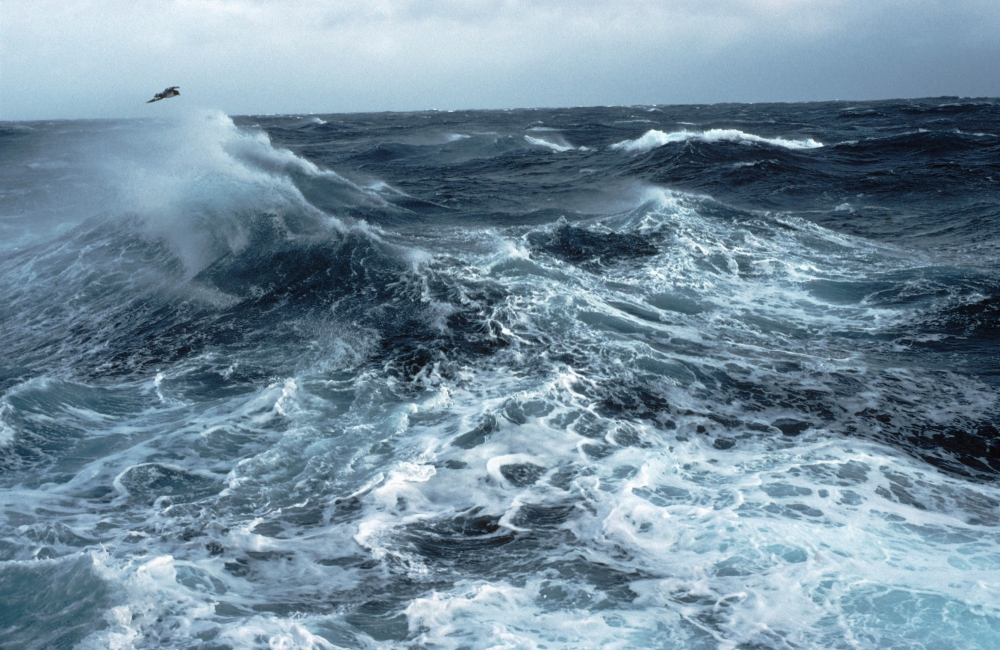
Red Sea: Surface winds will be northwesterly to northerly at speeds of 20-40 km/h in the northern and central parts, and southeasterly to southwesterly at speeds of 15-32 km/h in the southern part. Wave heights will range from 1 to 2 meters in the northern and central parts, and from half a meter to 1.5 meters in the southern part. Sea conditions will be slight to moderate.
Arabian Gulf: Surface winds will be southwesterly to southeasterly at a speed of 10-25 km/h, with wave heights ranging from half a meter to one meter, and the sea state will be slight.