Rainfall amounts in Saudi Arabia, with Al-Baha region leading the way
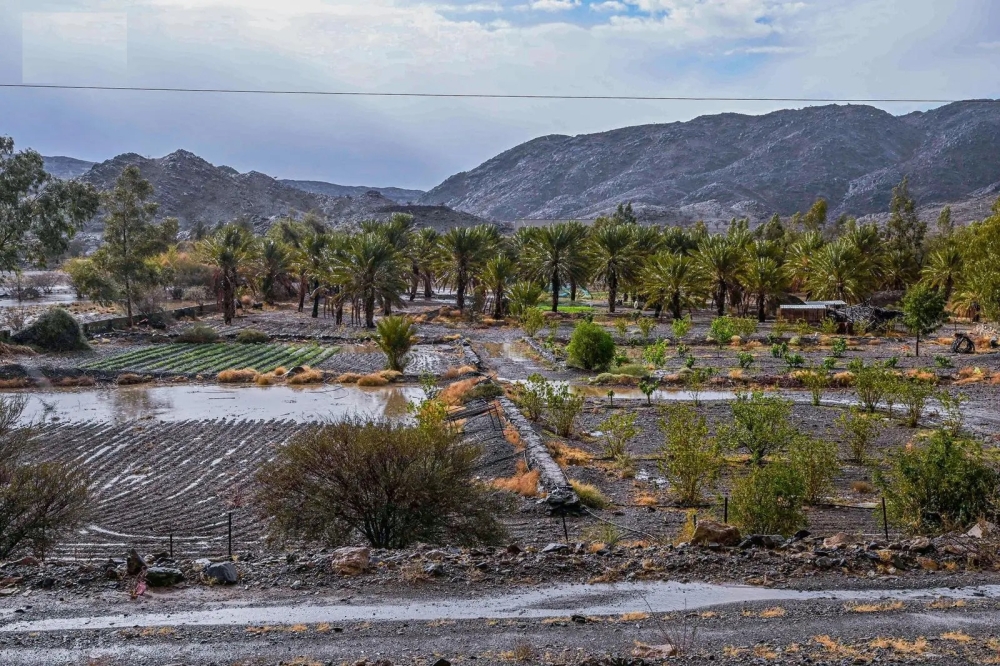
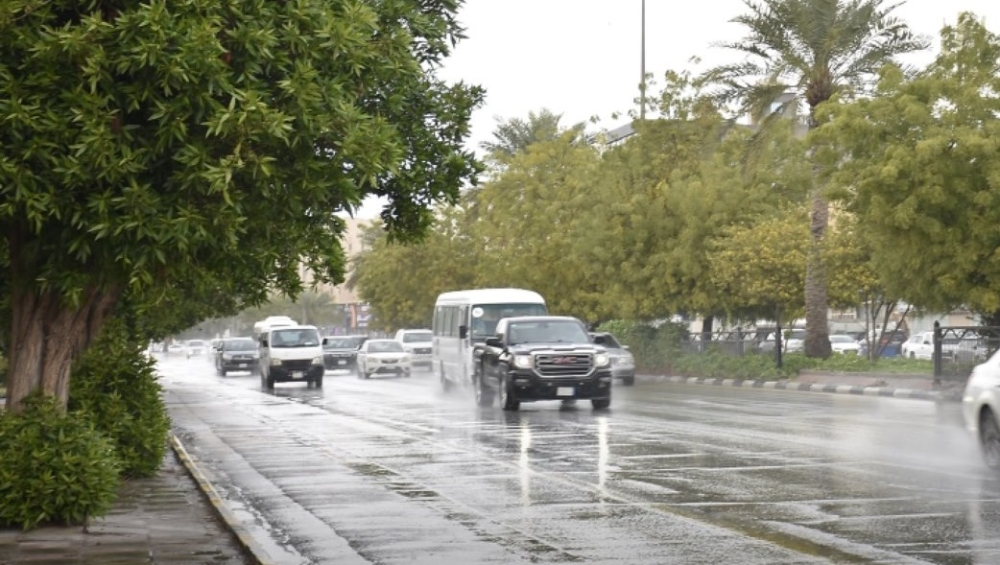
Over the past 24 hours, all regions of Saudi Arabia experienced positive weather changes, with rainfall amounts recorded across the Kingdom . According to the daily report issued by the Ministry of Environment, Water and Agriculture, 236 hydrological and climatological monitoring stations recorded scattered rainfall throughout the country. The Al-Baha region recorded the highest rainfall, reaching 77.8 mm in Jurd Bani Ali in Al-Hujrah Governorate, followed by Bal-Khazmar Center in Al-Mandaq Governorate with 71.0 mm, then Al-Muhammadiyah neighborhood in Baljurashi with 69.6 mm, Al-Bahir in Al-Baha with 54.6 mm, Bani Hassan with 53.9 mm, and Al-Shu'ara in Qalwa with 51.8 mm.
History and context of the climate in the Arabian Peninsula
Saudi Arabia is known for its arid desert climate across most of the country. However, the southwestern highlands, such as Al-Baha, Asir, and Makkah, possess unique geographical and topographical features that make them susceptible to higher rates of seasonal rainfall. Historically, these areas have relied on rainwater to irrigate agricultural terraces and valleys. In recent years, climatic changes have been observed, leading to an increase in the frequency and extent of rainfall events, extending to the central, northern, and eastern regions of the Kingdom. This reflects a significant climate shift that is positively altering the region's environmental landscape.
Distribution of rainfall amounts across regions in Saudi Arabia
The report indicated that the Makkah region recorded 61.6 mm of rainfall in Al-Quray' Bani Malik in Maysan, 29.2 mm in Al-Ardiyah Al-Janubiyah, and 26.0 mm in Adham. In the Asir region, Balhamar in Abha recorded 34.8 mm, Tabalah in Bisha 28.0 mm, and King Faisal Road in Al-Namas 24.4 mm. The Madinah region recorded 24.6 mm in Al-Thamud in Khaybar and 23.0 mm in Al-Khanqah. In the Qassim region, the amount reached 22.7 mm in Al-Muthnib Governorate, 18.4 mm in Unaizah, and 12.0 mm in Al-Ulya neighborhood in Al-Asyah.
Varying percentages in the rest of the governorates
Rainfall also extended to other areas, with the Northern Borders region recording 18.3 mm at Rafha Airport. In the Eastern Province, Hafr Al-Batin received 12.4 mm and Al-Qaisumah Airport 11.6 mm. Al-Shanan Governorate in Hail recorded 10.6 mm in Al-Kahfah. In the Riyadh region, Al-Zulfi received 9.6 mm and Shaqra 4.0 mm. Rain also fell in Najran (7.6 mm in Bir Askar), Tabuk (5.2 mm in Khurba, Al-Wajh), Al-Jawf (4.5 mm in Al-Murair, Sakaka), and finally Jazan (0.8 mm in Al-Raith).
The strategic and economic importance of the rainy season
These heavy and moderate rainfalls are of paramount importance both locally and regionally. Locally, they contribute to raising surface and groundwater levels, replenishing dams which are vital for the agricultural sector and for providing drinking water. They also play a pivotal role in enhancing vegetation cover and combating desertification, which aligns directly with the objectives of the Saudi Green Initiative. Economically, they reduce reliance on desalinated water for agricultural purposes, saving substantial costs and bolstering the Kingdom's water and food security.
Ongoing monitoring and follow-up efforts
The Ministry of Environment, Water and Agriculture's efforts are highlighted by its network of hydrological and climatological monitoring stations covering the entire country. These stations not only record data but also serve as a strategic tool for early warning and highly efficient water resource management, ensuring maximum benefit from every drop of rain that falls on the Kingdom.