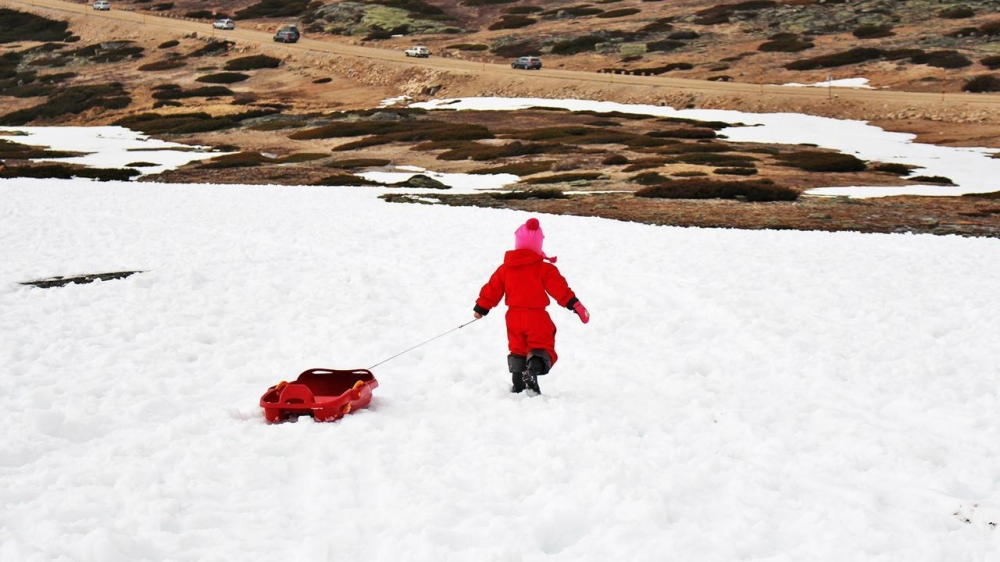
The atmosphere in the Kingdom of Saudi Arabia is experiencing a state of atmospheric instability, as large areas are affected by a cold polar wave leading to a noticeable and sharp drop in temperatures, reaching below zero degrees Celsius in some northern regions, accompanied by active winds that stir up dust and reduce horizontal visibility.
Weather details and affected areas
According to the National Center for Meteorology's usual reports for such situations, a cold air mass coming from the north is directly affecting the Northern Borders, Al-Jawf, Tabuk, and Hail regions. The effects of this weather system are expected to extend to the Qassim, Riyadh, and Eastern regions, where surface winds may become active and develop into dust storms in open areas and on highways, necessitating caution.
Climatic context: The Kingdom's harsh winter
This polar wave is part of the typical winter weather patterns in the Arabian Peninsula, where the Kingdom experiences several cold waves annually originating from Siberia or Eastern Europe. Historically, northern regions of the Kingdom, such as Tarif, Arar, and Jabal al-Lawz in Tabuk, have recorded record low temperatures. These waves are often accompanied by snowfall or frost in the early morning hours, impacting crops and grazing.
Wave effects and official warnings
Due to the significant drop in temperatures, relevant authorities, primarily the General Directorate of Civil Defense, are issuing continuous warnings to citizens and residents about the necessity of following safety guidelines. These warnings include:
- Road safety: Exercise caution while driving in dusty winds that reduce visibility, and avoid speeding on highways.
- Heating methods: Extreme caution should be exercised when using traditional heating methods such as coal and firewood indoors to avoid carbon monoxide poisoning accidents, and to ensure the safety of electrical connections for modern heaters.
- Public health: Doctors advise the elderly, children, and patients with respiratory illnesses and asthma to avoid direct exposure to dust and cold air currents, and to wear heavy winter clothing.
Economic and social importance
These weather fluctuations cast a shadow over daily life, as dust storms can cause temporary disruptions to air traffic or flight delays, in addition to impacting international trade. From an agricultural perspective, frost poses a challenge for farmers in the northern and central regions, prompting them to take preventative measures to protect cold-sensitive crops.
In conclusion, the official authorities call on everyone to follow weather reports issued by reliable sources and their continuous updates through official applications and media, in order to avoid rumors and deal optimally with the current weather situation.