New measures to protect local crops
In a strategic move aimed at strengthening food security and protecting the Kingdom's agricultural resources, the Saudi Ministry of Environment, Water and Agriculture has issued a comprehensive regulatory guide outlining strict rules and procedures for importing potato seeds. This decision comes as part of the Kingdom's ongoing efforts to enhance the efficiency of local agricultural production and ensure it is free from pests and serious diseases that could be transmitted through imported shipments.
General context and importance of the decision
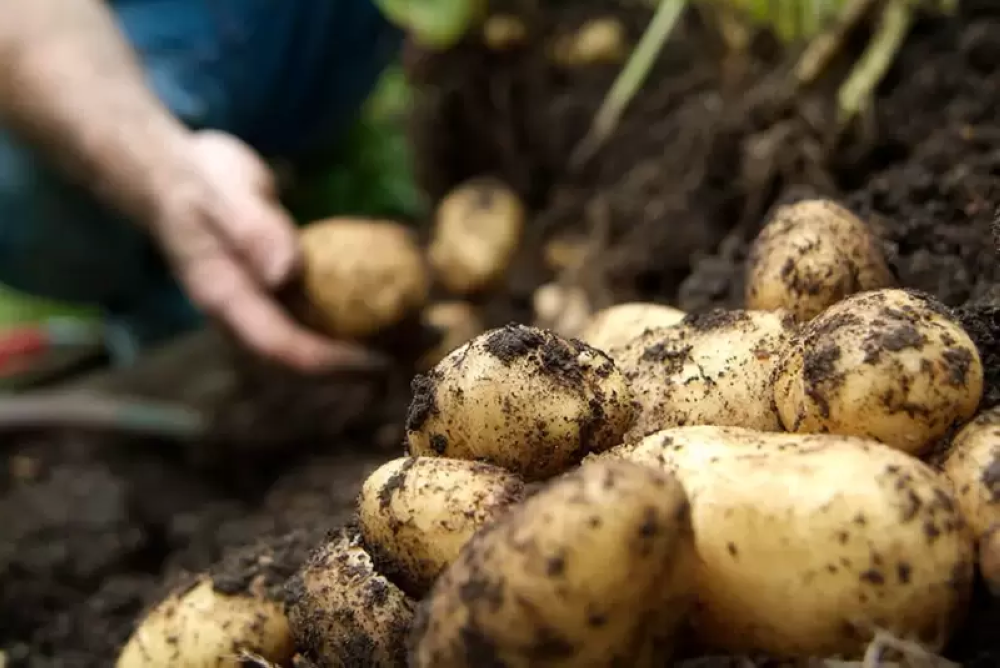
Potatoes are a staple food crop in Saudi Arabia and around the world, and their cultivation relies heavily on importing high-quality seeds from leading countries in this field, such as those in the European Union. Historically, transboundary agricultural pests have posed a significant challenge to the agricultural sector globally, as a single pest can cause substantial economic losses and threaten the sustainability of production. Therefore, the preventative measures taken by the Kingdom are of paramount importance. These measures not only protect the investments of local farmers but also ensure that safe and healthy agricultural products reach the end consumer, directly contributing to the goals of Saudi Vision 2030 related to achieving self-sufficiency in a number of strategic food commodities.
Key new conditions and regulations for importing potato seeds
The regulatory guidelines specify a set of technical and procedural requirements that importers must adhere to, forming a precise regulatory framework to ensure the quality and safety of imported seeds. These requirements include:
- Obtaining prior approval: Importers (whether they are seed companies or farmers) must obtain official approval from the competent authority in the ministry before completing any import process.
- Approved sources: The guide prohibits the importation of seeds except from approved production entities in the country of origin, subject to official field and laboratory control programs to ensure they are free from diseases.
- Banning infected farms: One of the most important provisions of the guide is the ban on importing potato seeds from any farms where infections with quarantine pests transmitted through the soil have been previously recorded, in order to definitively prevent the transmission of pathogens.
- Mandatory documents: The guide requires importers to provide a package of certificates and documents upon arrival of the shipment, most notably a phytosanitary certificate, a certificate of origin, a purchase invoice, and a certificate proving that the seeds are not genetically modified.
- Packaging and labeling: The seeds must be packed in new and clean containers, weighing between 25 and 50 kilograms, with a clear outer label in both Arabic and English that includes all the detailed information about the variety, grade, country of origin, and production date.
Expected impact on the agricultural sector
These measures are expected to have a multifaceted positive impact. Domestically, they will contribute to improving the quality of agricultural inputs, leading to increased crop yields and reduced losses from disease. They will also protect Saudi soil from contamination by serious and difficult-to-eradicate pests. Internationally, these stringent standards will encourage exporting companies to adopt global best practices in seed production to maintain their market share in Saudi Arabia, a key market in the region.
A comprehensive list of the most dangerous prohibited quarantine pests
The guide includes a detailed list of quarantine pests that are strictly prohibited from being brought into potato seed shipments due to their extreme danger to the crop. This list includes:
- Insect pests: such as the Colorado potato beetle, the Andean weevil, and the Guatemalan potato moth.
- Bacterial diseases: such as brown rot, ring rot, and “zebra strip” disease.
- Fungal diseases: most notably potato cancer and smut.
- Nematodes: such as white and golden cyst nematodes, and false root-knot nematodes.
- Viral diseases: such as latent potato viruses, yellow vein virus, and potato spindle tuber viroid.
The guide also specified very low tolerance levels for some other less serious diseases, such as black dandruff and common scabies, with precise requirements for the level of infection allowed on the surface of the tuber.