A strategic step to protect the promising coffee industry in the Kingdom
In a move reflecting the growing interest in coffee cultivation as a future economic pillar, the National Center for Plant Pest and Animal Disease Prevention and Control (Wiqa’) in Saudi Arabia announced the adoption of a comprehensive and stringent set of new regulations governing the import and trade of coffee seedlings. These measures aim to strengthen the plant biosecurity system, protect local farms from serious pests and diseases, and ensure the production of high-quality, disease-free seedlings, in line with the Kingdom’s Vision 2030 goals of economic diversification and supporting national products.
General context: Saudi coffee from cultural heritage to national project
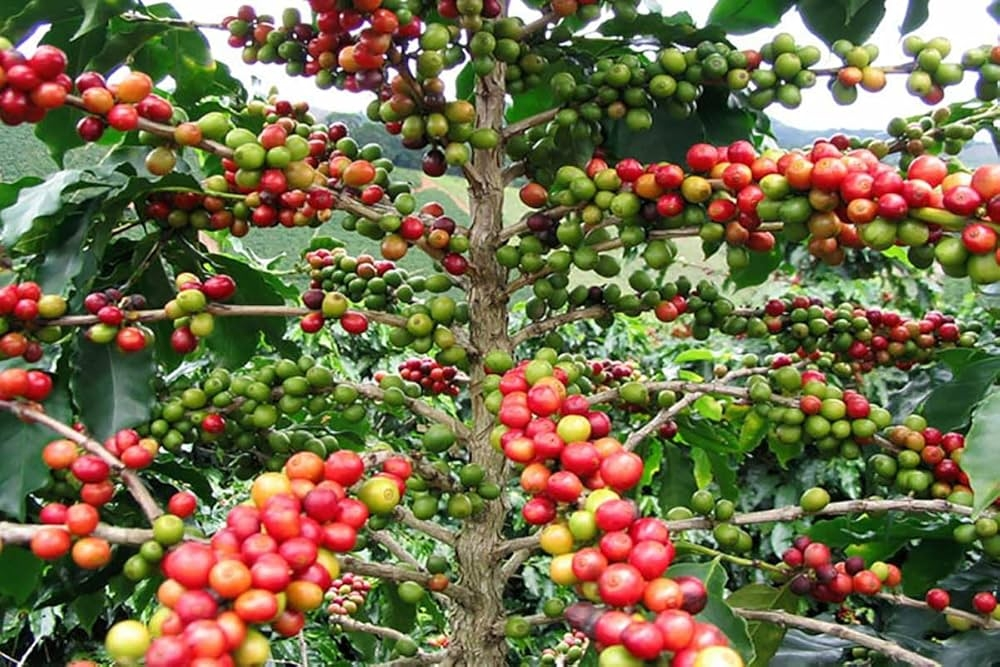
Coffee cultivation in Saudi Arabia, particularly the Khawlani coffee variety grown in southern regions like Jazan, Asir, and Al-Baha, boasts a rich history and deep cultural heritage, where Saudi coffee is deeply intertwined with traditions of generosity and hospitality. In recent years, this heritage has transformed into an ambitious national project. With initiatives like the "Year of Saudi Coffee 2022" and significant investments by the Public Investment Fund through the establishment of the "Saudi Coffee Company," the Kingdom aims to dramatically increase its coffee production, transforming it from a local product into a commodity capable of competing in global markets. These ambitious goals necessitate a robust and protected agricultural infrastructure, which explains the stringent regulations.
Details of the new requirements for importing coffee seedlings
The “Wiqa” Center has established a precise regulatory framework that covers all stages of import and trade, and its most prominent conditions can be summarized in the following points:
1. Pre-import requirements:
Importers are required to obtain prior import authorization, submitting a separate application for each country of origin. Imported seedlings must originate from officially certified nurseries in the country of origin and be accompanied by a certificate of origin and a phytosanitary certificate confirming they are free of pests. Crucially, the seedlings must come from regions where no outbreaks of Xylella fastidiosa, a devastating pest that has decimated vast areas of crops in Europe, have been recorded. The importation of any genetically modified seedlings is also prohibited.
2. Inspection upon arrival and agricultural quarantine:
Upon arrival at the Kingdom's border crossings, shipments undergo rigorous inspection procedures, including a thorough examination of all accompanying documents to ensure they match the shipment. Random samples are taken and sent to specialized laboratories for testing for a wide range of pests and diseases, including the bacterium Xylella fastidiosa, various nematode species, root-borne fungi, and dangerous insects.
3. Monitoring after entry and local trading:
The procedures don't end with the release of the shipment. Imported seedlings are subject to a strict two-year monitoring period after being planted in approved quarantine facilities. During this time, propagation of these seedlings or their use as a source of grafts or cuttings is prohibited. Periodic samples are taken to ensure they are completely free of any latent diseases. The regulations also include provisions for regulating seedling production within local farms and nurseries, requiring their certification by the relevant authorities and the use of pure and reliable seed and mother plant sources.
The importance and expected impact of these measures
The importance of these regulations lies in their role as a protective shield for the massive investments being made in the coffee sector. The introduction of a single pest, such as *Xylella fastidiosa*, could lead to significant economic losses and threaten the entire national project. Domestically, these measures will contribute to raising the quality of the final product of Saudi coffee, enhancing the confidence of farmers and consumers, and ensuring the sustainability of the sector. Internationally, the application of these stringent phytosanitary standards will bolster the Kingdom's reputation as a reliable agricultural producer and pave the way for Saudi coffee exports to reach global markets that demand high import standards.