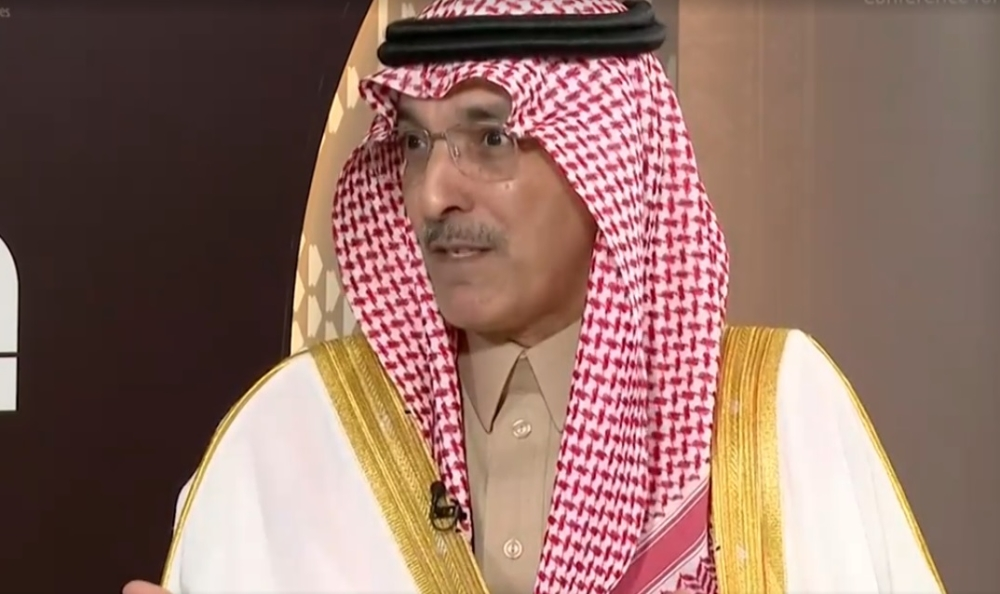
Saudi Finance Minister Mohammed Al-Jadaan revealed in a statement to Bloomberg News that extensive government discussions began this week to outline the Kingdom's next five-year plan. Al-Jadaan emphasized that the new plan will strategically focus on driving growth in vital non-oil sectors, primarily tourism, manufacturing, logistics, and technology, as part of the overarching goal of diversifying the Kingdom's economic revenue streams.
Broader context: Within the Kingdom's Vision 2030
This new five-year plan is a pivotal component of the ambitious initiatives and programs launched by the Kingdom of Saudi Arabia under the umbrella of “Vision 2030.” Launched by Crown Prince Mohammed bin Salman in 2016, this vision represents a comprehensive roadmap aimed at transforming the Saudi economy from its near-total dependence on oil to a diversified and sustainable one. The vision seeks to build a prosperous economy, a vibrant society, and an ambitious nation by investing in new sectors, developing human capital, and attracting foreign investment.
The importance of the targeted sectors and their expected impact
The focus on sectors like tourism and manufacturing is not accidental, but rather a strategic choice based on the Kingdom's strengths and capabilities. In the tourism sector, Saudi Arabia possesses unique historical, cultural, and natural assets, from UNESCO-listed archaeological sites to pristine Red Sea beaches, making it a prime global tourist destination. The growth of this sector is expected to create hundreds of thousands of jobs for young Saudis, boost the Kingdom's non-oil revenues, and open a cultural window for the world to learn about Saudi Arabia.
In the manufacturing and logistics sector, the goal is to transform the Kingdom into a global industrial and logistics hub connecting three continents: Asia, Europe, and Africa. This approach aims not only to reduce reliance on imports but also to increase non-oil exports and strengthen the Kingdom's position in global supply chains.
A well-thought-out approach to ensure sustainable growth
Minister Al-Jadaan emphasized that the implementation of these plans “will be gradual and at a measured pace.” He explained that this cautious approach aims to avoid any inflationary pressures that might arise from accelerated government spending and, more importantly, to provide sufficient space for the private sector to be the main driver of growth. Empowering the private sector is one of the fundamental pillars of Vision 2030, as the government seeks to create an attractive investment environment that encourages local and international companies to participate effectively in major development projects, thus ensuring sustainable economic growth that is not solely dependent on public spending.