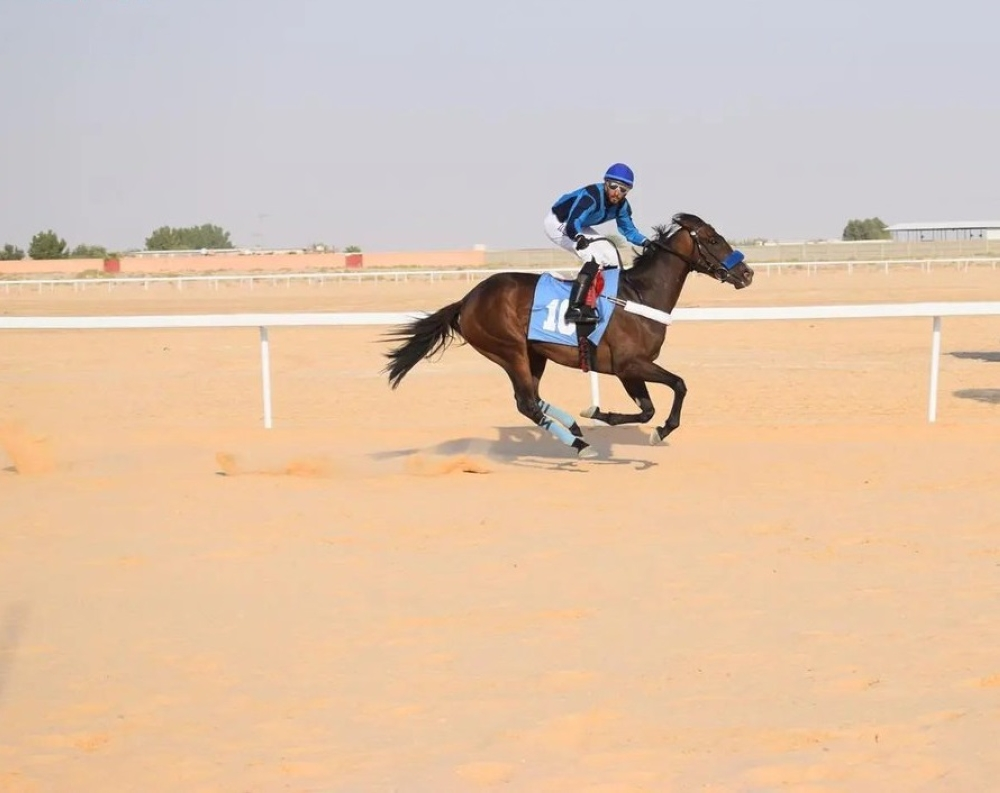
In a strategic move aimed at strengthening Saudi Arabia's position as a global equestrian hub, the Ministry of Environment, Water and Agriculture has adopted a set of new regulations and requirements for organizing and holding equestrian events featuring purebred Arabian horses. These regulations aim to raise the level of governance and professionalism in the sector, ensuring that local and international championships meet the highest standards, thus preserving the prestige of the purebred Arabian horse and enhancing its presence in international sporting events.
Historical context and importance of Arabian horses in the Kingdom
Equestrian sports and the Arabian horse are deeply intertwined with the history and heritage of the Kingdom of Saudi Arabia. The Arabian horse is not merely an animal; it is a symbol of authenticity, nobility, and courage, and has played a pivotal role in the history of the Arabian Peninsula. Under Vision 2030, the Kingdom is placing great emphasis on developing non-oil sectors, including sports, entertainment, and tourism. Developing equestrian sports is an integral part of this vision, aiming to preserve this rich cultural heritage and transform it into a sustainable sporting, tourism, and economic product.
The importance of the new regulations and their expected impact
The new regulations aim to bring about a qualitative shift in the equestrian sector. Locally, these controls will contribute to creating a more professional regulatory environment, encouraging investment in equestrian infrastructure, and raising the quality of competitions, which will positively impact owners, breeders, and riders. Regionally and internationally, these stringent standards, which align with the requirements of international organizations such as the ECAHO (European Conference of Arab Horse Organizations), will enhance the international community's confidence in Saudi championships and attract the best horses and owners from around the world to participate, thus solidifying the Kingdom's position as a leading destination for the most important Arabian horse beauty championships in the world.
Conditions for organizing local and international tournaments
The new regulations, overseen by the King Abdulaziz Arabian Horse Center, set out a set of precise conditions for granting permits to hold championships, while distinguishing between local and international events.
Key requirements for local championships:
To obtain a license to host a local championship, the organizer must submit an application to the center within a specified period annually, along with a preliminary event plan. Key financial and organizational requirements include:
- Financial solvency: Submitting a financial solvency certificate of no less than 100 million Saudi Riyals to ensure the ability to organize an event befitting the Kingdom’s status.
- Organizational experience: Proof of having the experience or ability to organize events in the field of equestrian sports.
- Financial obligations: Settle any outstanding financial dues from previous tournaments before submitting a new application.
- Prizes: The total prize money awarded in the tournament must not be less than 500,000 riyals.
Additional requirements for international tournaments:
In addition to meeting all the requirements of local tournaments, the regulations impose additional requirements on international tournament organizers to ensure compliance with global protocols, including:
- Providing isolated stables for participating horses from outside the Kingdom that comply with the requirements of the international quarantine.
- Adherence to international protocols such as displaying the flags of participating countries and playing the national anthems of the winning countries.
Regulator's responsibilities, safety standards, and infrastructure
The regulations extended beyond financial and administrative requirements to encompass all operational aspects, ensuring the safety of participants and horses and providing an exceptional experience for attendees. The organizer's responsibilities include preparing the show arena and warm-up areas according to ECAHO specifications, providing safe and well-equipped stables, and ensuring necessary medical care through the presence of ambulances, physicians, and veterinarians at the event site. The regulations also obligated the organizer to bear all costs associated with hosting international officials and the expenses of doping tests conducted in internationally accredited laboratories to guarantee the integrity of the competition.
With these comprehensive regulations, equestrian sport in the Kingdom of Saudi Arabia enters a new era of organization and professionalism, ensuring the sustainability of its development and preserving its status as an authentic national heritage and a prestigious global sport.