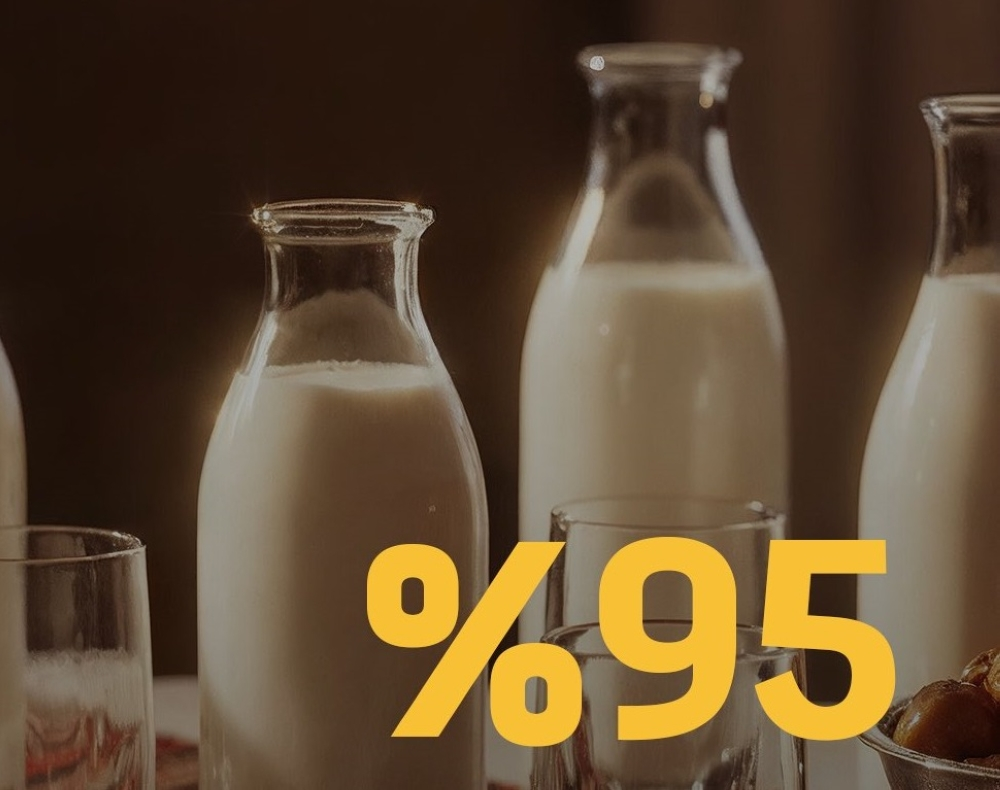
أعلنت وزارة البيئة والمياه والزراعة عن تحقيق إنجاز لافت في قطاع الألبان، حيث أصبح 95% من إنتاج الحليب الخام في المملكة العربية السعودية يحمل علامة الجودة الموثوقة “سعودي قاب” (Saudi G.A.P.). يعكس هذا الرقم التزام المنتجين المحليين بأعلى معايير سلامة الغذاء والممارسات الزراعية الجيدة، ويمثل خطوة استراتيجية نحو تعزيز الأمن الغذائي الوطني وتحقيق مستهدفات رؤية السعودية 2030.
خلفية تاريخية لقطاع الألبان في المملكة
شهد قطاع الألبان في السعودية تحولاً جذرياً على مدى العقود الماضية. فبعد أن كان يعتمد على المزارع التقليدية صغيرة الحجم، انطلقت في أواخر السبعينيات والثمانينيات استثمارات ضخمة لتأسيس شركات ألبان متكاملة تعتمد على أحدث التقنيات العالمية. كانت هذه المشاريع جزءاً من استراتيجية وطنية أوسع لتحقيق الاكتفاء الذاتي في المنتجات الغذائية الأساسية. وقد نجحت المملكة، بفضل هذه الجهود، في تحويل الصحراء إلى أراضٍ خصبة لتربية الأبقار وإنتاج الحليب، لتصبح اليوم واحدة من أبرز منتجي الألبان في المنطقة، مع وصول حجم الإنتاج في المشاريع المتخصصة إلى أكثر من 2.7 مليار لتر خلال عام 2024م، وبوجود ما يقارب 233 ألف رأس من الأبقار الحلوب.
أهمية علامة “سعودي قاب” وتأثيرها
تُعد علامة “سعودي قاب”، المستوحاة من الممارسات الزراعية الجيدة العالمية (Global G.A.P.)، بمثابة شهادة ضمان للمستهلك بأن المنتج يتبع سلسلة من المعايير الصارمة في جميع مراحل الإنتاج، بدءاً من رعاية الحيوان وتغذيته، مروراً بعمليات الحلب والتخزين، وانتهاءً بوصوله إلى المستهلك. وتهدف هذه المبادرة التي أطلقتها الوزارة إلى ترسيخ مفهوم الاستدامة في القطاع الزراعي، وتحسين إدارة الموارد الطبيعية مثل المياه والأعلاف، بالإضافة إلى رفع كفاءة المزارعين والعاملين في القطاع من خلال التدريب والتطوير المستمر.
الأثر المحلي والإقليمي للإنجاز
على الصعيد المحلي، يعزز هذا الإنجاز ثقة المستهلك في المنتج الوطني ويشجعه على تفضيله على المنتجات المستوردة، مما يدعم الاقتصاد المحلي ويخلق فرص عمل جديدة. كما أنه يتماشى بشكل مباشر مع أهداف رؤية 2030 التي تضع الأمن الغذائي والتنمية المستدامة على رأس أولوياتها. أما على الصعيد الإقليمي، فإن حصول الغالبية العظمى من إنتاج الحليب السعودي على هذه الشهادة المرموقة يعزز من سمعة المنتجات السعودية في أسواق دول مجلس التعاون الخليجي والشرق الأوسط، ويفتح آفاقاً جديدة للتصدير، ويرسخ مكانة المملكة كقائد إقليمي في مجال الإنتاج الغذائي عالي الجودة. إن هذا التقدم لا يمثل مجرد رقم، بل هو شهادة على نجاح السياسات الزراعية الطموحة وقدرة القطاع الخاص على التكيف والابتكار لتحقيق أعلى مستويات الجودة العالمية.