The eyes of the sporting world are on the Italian cities of Milan and Cortina d'Ampezzo, which are scheduled to host the 25th Winter Olympic Games in 2026. The opening ceremony, which will be held at the historic San Siro stadium in Milan, is expected to be attended by a high-level audience, including the Italian President Sergio Mattarella, the President of the International Olympic Committee Thomas Bach, and a number of heads of state and sports officials from around the world.
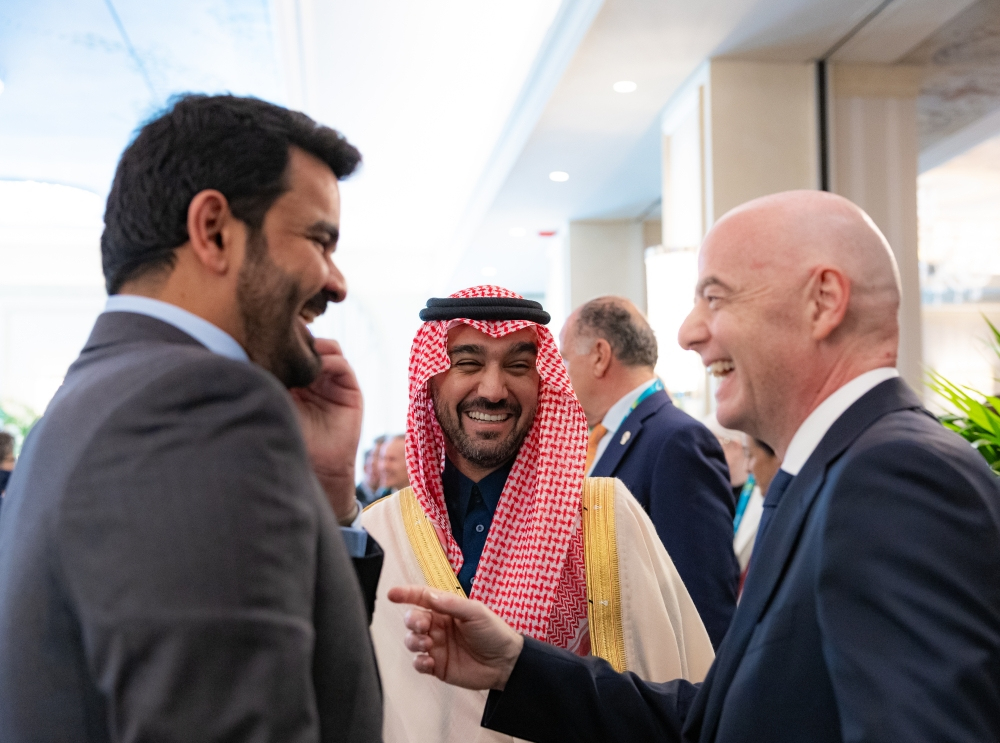
The Saudi delegation is expected to be headed by His Royal Highness Prince Abdulaziz bin Turki Al-Faisal, Minister of Sport and President of the Saudi Olympic and Paralympic Committee, underscoring the great importance the Kingdom attaches to this global event. He will be accompanied on this national mission by His Highness Prince Fahd bin Jalawi bin Abdulaziz bin Musaed, Vice President of the Committee, and Ms. Adhwa bint Abdulrahman Al-Arifi, a member of the Board of Directors, reflecting the Kingdom's full institutional support for winter sports.
Historical context and Saudi ambition
Saudi Arabia's participation in the Winter Olympics is relatively recent, but it represents a strategic step within Vision 2030 to diversify the economy and enhance the Kingdom's position as a global sporting destination. This journey effectively began at the Beijing 2022 Games, when Saudi skier Faiq Abdi became the first athlete to represent the Kingdom in the history of the Winter Olympics, in what was described as a historic event. The anticipated participation in Milan 2026 is a continuation of this trajectory, aiming to increase the number of qualified athletes and raise the level of competition.
The importance and expected impact of the event
The importance of Saudi Arabia's participation extends beyond mere symbolic presence; it is part of a long-term strategy to build and develop the winter sports system. Recent years have witnessed remarkable growth in this sector, through the launch of training and development programs for athletes and an expanding base of participants. Being present at a global event the size of the Winter Olympics gives Saudi athletes the opportunity to compete against the world's best talent and gain invaluable experience.
Regionally and internationally, this participation enhances the Kingdom's image as a nation capable of competing in various sporting fields, breaking the stereotype that associates it solely with the desert environment. This trend coincides with the Kingdom's winning bid to host the 2029 Asian Winter Games in the futuristic city of Trogina, part of the NEOM project. This historic victory, the first of its kind in West Asia, places Saudi Arabia at the heart of the global winter sports scene and confirms that its ambitions are limitless. The mountains of NEOM will be transformed into a global destination for snow sports, reflecting the tremendous transformation the Kingdom is undergoing in the sports sector under the leadership of Prince Abdulaziz Al-Faisal.