Recent data released by the General Authority for Statistics in Saudi Arabia revealed a rise in average meat, poultry, and fish prices during January on a monthly basis. This increase comes amidst a wave of changes in global and local food commodity markets, impacting the cost of living for consumers in the Kingdom.
Details of price changes
According to the bulletin on average prices of goods and services, red meat prices showed slight fluctuations. The price of a kilogram of fresh beef rose by 0.5% to reach SAR 52.6. The price of imported chilled lamb also saw a similar increase of 0.5%, while the price of fresh camel meat rose by a larger margin of 1.4% to reach SAR 53.9 per kilogram. In contrast, the price of fresh lamb remained stable at SAR 66.9 per kilogram.
Poultry and fish prices
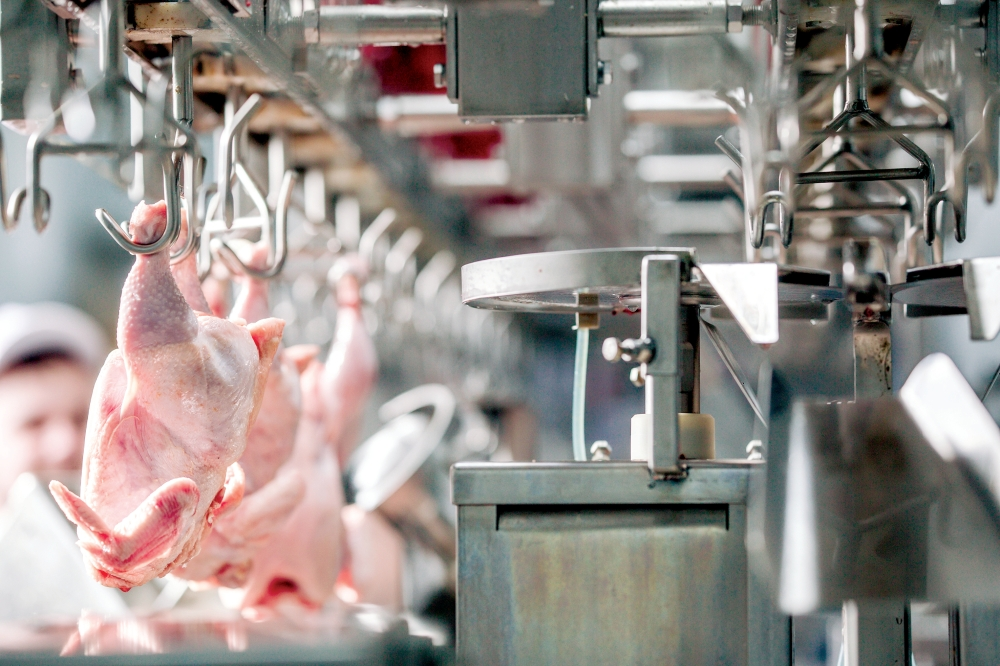
The price surge extended to the poultry sector, with both locally produced and imported frozen chicken prices increasing by 0.4% to reach SAR 18.8 and SAR 17.9, respectively. Prices for fresh chicken parts saw even more significant increases, with fresh chicken thighs jumping by 2.1% to SAR 9.9 and fresh chicken breast fillets rising by 1.9% to SAR 20.7. In contrast, the price of locally produced fresh chicken experienced a slight decrease of 0.4%, settling at SAR 17.2.
In the seafood sector, the price of fresh kingfish rose by 0.5% to 67.2 riyals per kilo, while the price of grouper increased by 1% to reach 56.2 riyals, and fresh peeled shrimp recorded the largest increase by 1.1% to reach a price of 78.8 riyals per kilo.
The economic context and its impact
Food prices in the Kingdom, like in other countries worldwide, are affected by a complex interplay of factors. Globally, fluctuations in feed prices, shipping and logistics costs, and climate challenges impacting agricultural and livestock production lead to changes in import costs. Since the Kingdom relies on imports for a significant portion of its food needs, it is directly affected by these global trends.
Locally, supply and demand factors play a pivotal role, especially with population growth and increased demand during certain seasons. Government agencies, such as the Ministry of Environment, Water and Agriculture and the Ministry of Commerce, continuously monitor markets, ensure ample supply, and implement food security strategies aimed at boosting local production and diversifying import sources to mitigate price volatility and protect consumers.
Importance and expected impact
This increase, though slight, is an important indicator for consumers who allocate a significant portion of their budgets to food spending. These changes directly impact household purchasing power and may prompt them to adjust their consumption patterns. They also affect the restaurant and hospitality sector, which relies heavily on these goods. Monitoring and analyzing these indicators helps policymakers take the necessary measures to ensure market stability and protect consumers from any unjustified price hikes.