نظرة عامة على سوق اللحوم في السعودية لشهر ديسمبر
شهدت أسواق السلع الغذائية في المملكة العربية السعودية خلال شهر ديسمبر الماضي تبايناً ملحوظاً في أسعار اللحوم، مع تسجيل ارتفاعات في أسعار الدواجن والأسماك، وذلك وفقاً للبيانات الرسمية الصادرة عن الهيئة العامة للإحصاء. تعكس هذه التحركات السعرية حالة السوق وتفاعله مع متغيرات العرض والطلب المحلية والعالمية، وتؤثر بشكل مباشر على ميزانية الأسر والقطاع التجاري في المملكة.
خلفية تاريخية وسياق اقتصادي
يعتبر استقرار أسعار المواد الغذائية الأساسية، وعلى رأسها اللحوم والدواجن، أولوية استراتيجية ضمن أهداف رؤية السعودية 2030 المتعلقة بالأمن الغذائي. تاريخياً، يعتمد السوق السعودي على مزيج من الإنتاج المحلي والاستيراد لتلبية الطلب المتزايد. وتتأثر أسعار هذه السلع بعوامل متعددة، منها أسعار الأعلاف عالمياً، تكاليف الشحن والخدمات اللوجستية، المواسم التي يزداد فيها الاستهلاك مثل شهر رمضان وموسم الحج، بالإضافة إلى السياسات التنظيمية الحكومية التي تهدف إلى حماية المستهلك وضمان وفرة المعروض.
تفاصيل أسعار اللحوم الحمراء: تباين بين الانخفاض والارتفاع
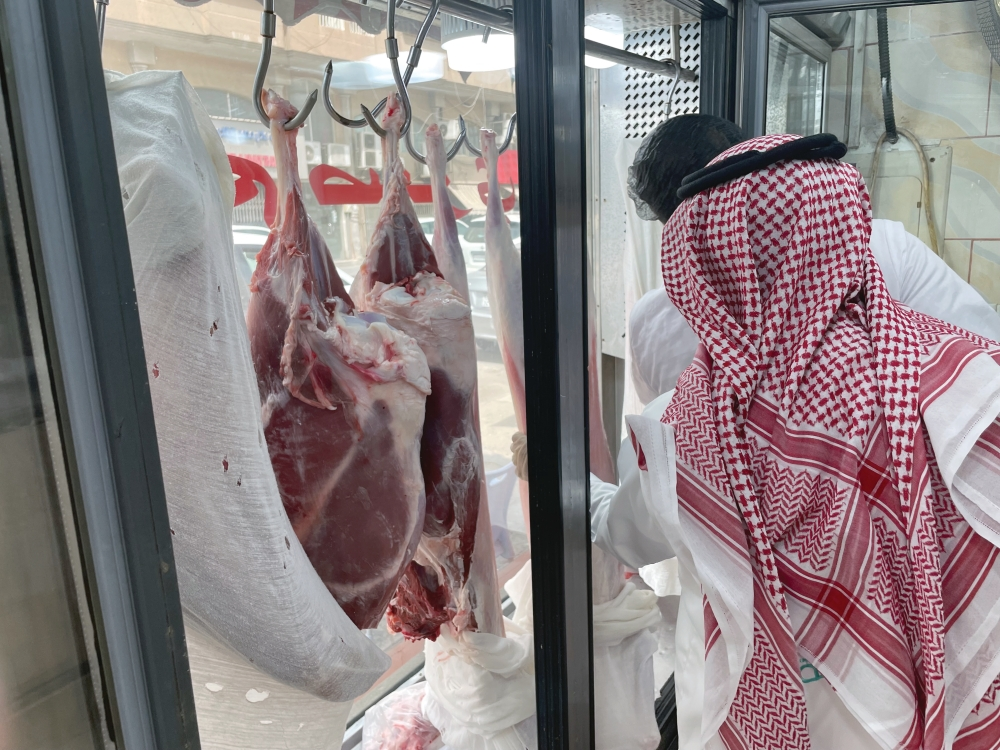
أظهرت نشرة متوسطات أسعار السلع والخدمات لشهر ديسمبر تبايناً في أسعار اللحوم الحمراء. حيث سجل سعر لحم البقر الطازج انخفاضاً طفيفاً بنسبة 0.5%، ليصل متوسط سعره إلى 52.3 ريالاً للكيلوجرام. كما شهد سعر لحم الجمل الطازج انخفاضاً أكثر وضوحاً بنسبة 1.4%، مسجلاً 53.2 ريالاً للكيلو. في المقابل، خالفت أسعار لحم الضأن هذا الاتجاه، حيث ارتفع سعر لحم الضأن الطازج (النعيمي) بنسبة 0.3% ليبلغ 66.9 ريالاً للكيلو، وارتفع سعر لحم الضأن المبرد المستورد بنسبة 0.6% ليصل إلى 54.2 ريالاً للكيلو.
قطاع الدواجن: ارتفاع شبه جماعي
في قطاع الدواجن، الذي يعد بديلاً اقتصادياً رئيسياً للحوم الحمراء، لوحظ اتجاه صعودي للأسعار. ارتفع سعر الدجاج المجمد المحلي بنسبة 0.5% ليصل إلى 18.8 ريالاً (لحجم 900 جم)، وسار على خطاه الدجاج المجمد المستورد الذي ارتفع بنفس النسبة مسجلاً 17.8 ريالاً. بينما حافظ سعر الدجاج الطازج المحلي على استقراره عند 17.2 ريال. وشملت الارتفاعات أيضاً أجزاء الدجاج، حيث زاد سعر أفخاذ الدجاج الطازجة بنسبة 0.8% إلى 9.7 ريال (لوزن 450 جم)، في حين انخفض سعر فيليه صدور الدجاج الطازج بنسبة 0.9% مسجلاً 20.4 ريال.
سوق الأسماك والمأكولات البحرية
امتدت موجة الارتفاعات لتشمل قطاع الأسماك والمأكولات البحرية. فقد ارتفع سعر سمك الكنعد الطازج، وهو من الأنواع المفضلة لدى المستهلكين، بنسبة 0.1% ليبلغ 66.9 ريالاً للكيلو. كما ارتفع سعر سمك الهامور الطازج بنسبة 0.3% مسجلاً 55.6 ريالاً للكيلو. وشهد الروبيان الطازج المقشر ارتفاعاً بنسبة 0.7%، حيث وصل سعر الكيلوجرام إلى 77.9 ريالاً.
الأهمية والتأثير المتوقع
تؤثر هذه التقلبات السعرية بشكل مباشر على القوة الشرائية للمستهلكين وتكلفة المعيشة. فالارتفاع في أسعار الدواجن والأسماك، التي تعتبر مصادر بروتين أساسية، قد يدفع الأسر إلى تعديل أنماطها الاستهلاكية. على الصعيد الاقتصادي الأوسع، تؤثر هذه التغيرات على تكاليف التشغيل في قطاع المطاعم والضيافة. وتستدعي هذه البيانات أهمية مواصلة الجهود الحكومية لمراقبة الأسواق، وتعزيز الإنتاج المحلي من الدواجن والأسماك، وتنويع مصادر الاستيراد لضمان استقرار الأسعار وتلبية احتياجات السوق بكفاءة.