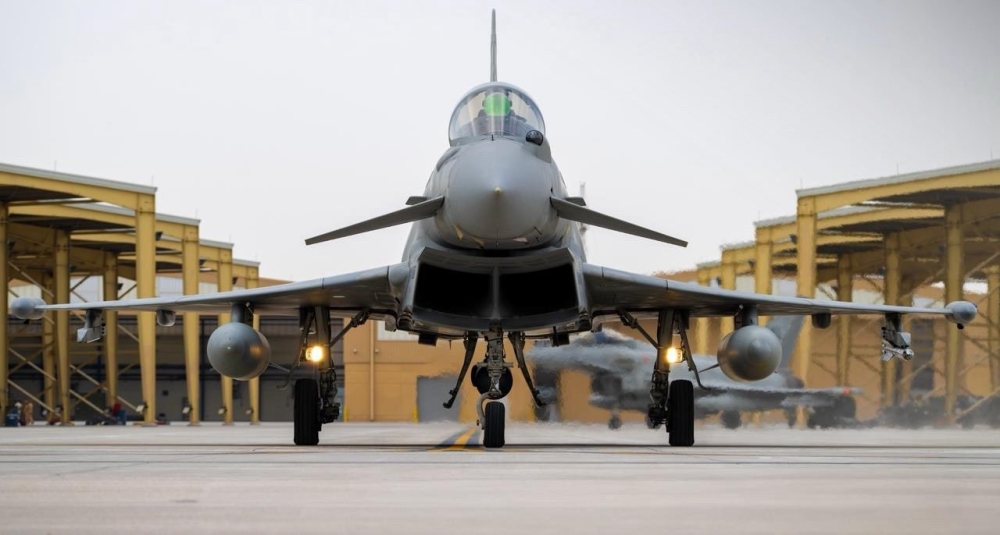
انطلقت في مركز الحرب الجوي بالقطاع الشرقي للمملكة العربية السعودية، فعاليات تمرين “رماح النصر 2026″، الذي يُعد أحد أكبر وأهم التمارين العسكرية الجوية على مستوى المنطقة. ويشهد التمرين مشاركة واسعة من مختلف أفرع القوات المسلحة السعودية، بما في ذلك القوات البرية، والجوية الملكية السعودية، والقوات البحرية، وقوات الدفاع الجوي، بالإضافة إلى وزارة الحرس الوطني ورئاسة أمن الدولة. كما يشارك في المناورات القيادة العسكرية الموحدة لمجلس التعاون لدول الخليج العربية وقوات من 15 دولة شقيقة وصديقة، مما يعكس الأهمية الاستراتيجية لهذا الحدث.
السياق التاريخي والأهمية الاستراتيجية
يأتي تمرين “رماح النصر” كجزء من سلسلة تمارين دورية تهدف إلى رفع الجاهزية القتالية وتعزيز العمل المشترك بين القوات السعودية وحلفائها. ومع مرور السنوات، تطور التمرين ليصبح منصة متقدمة لتبادل الخبرات والتكتيكات العسكرية الحديثة. ويُقام التمرين في مركز الحرب الجوي بالقطاع الشرقي، الذي تم تجهيزه بأحدث التقنيات والمرافق ليحاكي بيئات قتالية واقعية ومعقدة، وهو ما يتماشى مع أهداف رؤية المملكة 2030 لتطوير وتحديث القطاع العسكري والوصول به إلى مصاف الجيوش العالمية المتقدمة. إن اختيار القطاع الشرقي كموقع للتمرين يحمل دلالات استراتيجية، نظراً لأهميته الحيوية للاقتصاد العالمي وضرورة تأمين الممرات المائية والمصالح الاستراتيجية في منطقة الخليج العربي.
أهداف التمرين وتأثيره المتوقع
يهدف تمرين “رماح النصر 2026” إلى تحقيق مجموعة من الأهداف التكتيكية والعملياتية، أبرزها تعميق الشراكات العسكرية، وتوحيد مفاهيم العمل المشترك، ورفع مستوى الكفاءة والتنسيق بين القوات المشاركة. وتركز التدريبات على سيناريوهات متنوعة تشمل العمليات الجوية المضادة، والدفاع الجوي المتكامل، والحرب الإلكترونية والسيبرانية، مما يعكس استجابة للتحديات الأمنية المعاصرة. ومن المتوقع أن يسهم التمرين في تقييم مستوى الجاهزية القتالية وصقل مهارات الأطقم الجوية والفنية والمساندة، وتطوير الخطط العملياتية للتعامل مع مختلف التهديدات الحالية والمستقبلية.
بعد إقليمي ودولي واسع
على الصعيد الإقليمي، يبعث التمرين رسالة واضحة حول الالتزام المشترك بأمن واستقرار المنطقة، ويعزز من قدرات منظومة الدفاع الخليجية المشتركة. أما على الصعيد الدولي، فإن مشاركة دول كبرى مثل الولايات المتحدة الأمريكية، والمملكة المتحدة، وفرنسا، إلى جانب دول مؤثرة مثل تركيا وباكستان، تضفي على التمرين بعداً عالمياً وتؤكد على أهمية التحالفات الدولية في مواجهة التحديات الأمنية العابرة للحدود. وتضم قائمة الدول المشاركة كلاً من: البحرين، بنغلاديش، فرنسا، اليونان، إيطاليا، الأردن، ماليزيا، المغرب، سلطنة عمان، باكستان، قطر، تركيا، المملكة المتحدة، والولايات المتحدة الأمريكية. إن هذا التجمع العسكري الكبير لا يخدم الأهداف العسكرية فحسب، بل يعزز أيضاً أواصر التعاون الدبلوماسي والعسكري بين الدول المشاركة، ويدعم الجهود الرامية إلى بناء منظومة أمنية دولية أكثر استقراراً وفاعلية.