A strategic step towards achieving the goals of Vision 2030
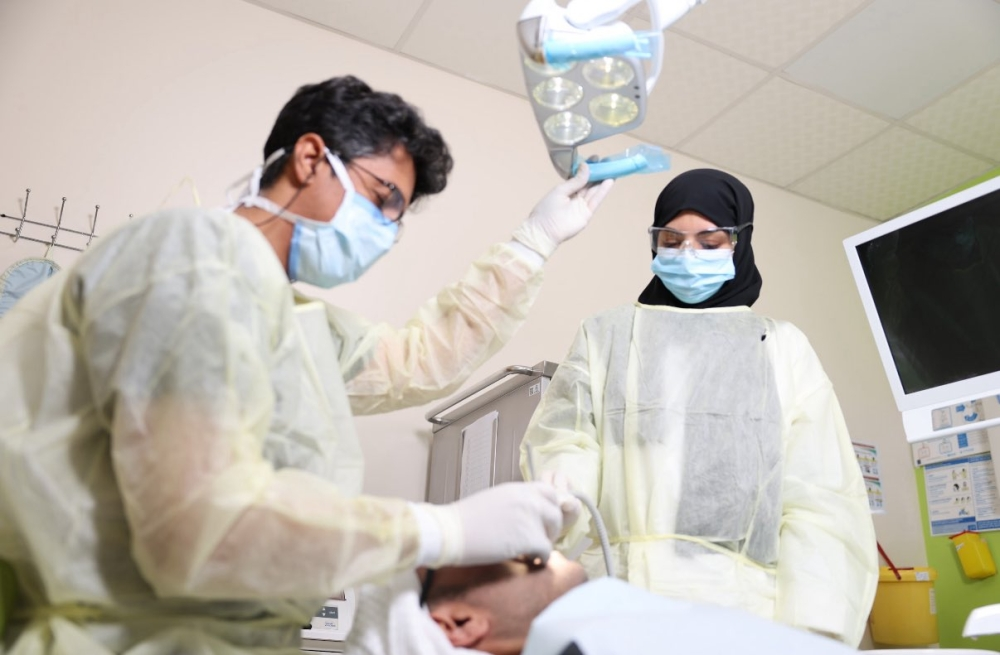
The Ministry of Human Resources and Social Development in the Kingdom of Saudi Arabia, in partnership with the Ministry of Health, announced the commencement of the second phase of the decision to Saudize dental professions in private sector establishments. This phase aims to raise the Saudization rate in the targeted specialties to 55%, effective January 27, 2026. This step comes as part of integrated national efforts aimed at enhancing the participation of Saudi talent in the labor market and providing quality and motivating job opportunities for citizens across the Kingdom.
General context: Localization as a key pillar in national transformation
The decision to localize dental professions is an extension of the "Saudization" or "localization" policy that the Kingdom has adopted for years, a policy that gained significant momentum with the launch of Vision 2030. This ambitious vision aims to diversify income sources, reduce dependence on oil, and build a knowledge-based and sustainable economy. Localizing jobs, especially in vital sectors like healthcare, is a cornerstone of achieving these goals. By replacing expatriate workers with qualified Saudi nationals, the Kingdom seeks to reduce unemployment rates among its citizens, ensure the sustainability of the workforce in strategic sectors, and enhance economic and social security.
Details and conditions of the second phase
According to the procedural guide published by the Ministry, the second phase will be applied to all private sector establishments with three or more employees in dental specialties. To ensure the effectiveness of the decision and achieve its objectives of providing decent jobs, the guide stipulates that the monthly salary of a Saudi dentist, calculated within the Saudization quota, must not be less than 9,000 Saudi Riyals, and that they must possess valid professional accreditation from the Saudi Commission for Health Specialties. This requirement aims to guarantee the quality and attractiveness of the jobs offered to Saudi graduates and to prevent sham employment.
The importance and expected impact of the decision
This decision carries multiple positive implications at the local and regional levels. Locally , it is expected to open up broad career opportunities for thousands of Saudi dental graduates, contributing to the absorption and development of national talent. It will also enhance the quality of healthcare services provided to citizens and residents, as having dentists from the same cultural and linguistic background strengthens communication and trust between doctor and patient. Regionally , this step positions the Kingdom among the leading Gulf countries in policies for localizing specialized sectors, potentially setting a model for the region. Internationally , the decision reflects a shift in the Saudi labor market, which is increasingly relying on the skills of its own citizens, thus reducing the demand for expatriate workers in this specialized field.
Comprehensive government support to ensure the application's success
Recognizing the challenges that private sector establishments may face, the Ministry of Human Resources and Social Development affirmed that the government system will provide a package of support and incentive programs for establishments that comply with the decision. These programs, offered by the Human Resources Development Fund (HRDF), include support for recruitment and employee search processes, assistance with training and development costs, and support for employment and job retention. Conversely, the Ministry warned that failure to comply with the prescribed Saudization quotas will subject violating establishments to legal penalties, underscoring the government's commitment to implementing the decision and achieving its strategic objectives.