تحول استراتيجي في تنظيم الباعة الجائلين
في خطوة استراتيجية تهدف إلى إعادة هيكلة أحد أهم قطاعات الاقتصاد غير الرسمي، أعلنت وزارة البلديات والإسكان عن إطلاق نموذج وطني علمي ومستدام لتنظيم عمل الباعة الجائلين في مختلف مدن المملكة. تأتي هذه المبادرة، التي تشرف عليها صاحبة السمو الملكي الأميرة نجود بنت هذلول بن عبدالعزيز، لتنقل هذا القطاع من دائرة الاجتهادات الفردية والحلول المؤقتة إلى إطار مؤسسي منظم، يضمن حقوق الباعة ويدعمهم، وفي الوقت ذاته يعزز من جودة الحياة والمشهد الحضري للمدن السعودية.
خلفية تاريخية وتحديات سابقة
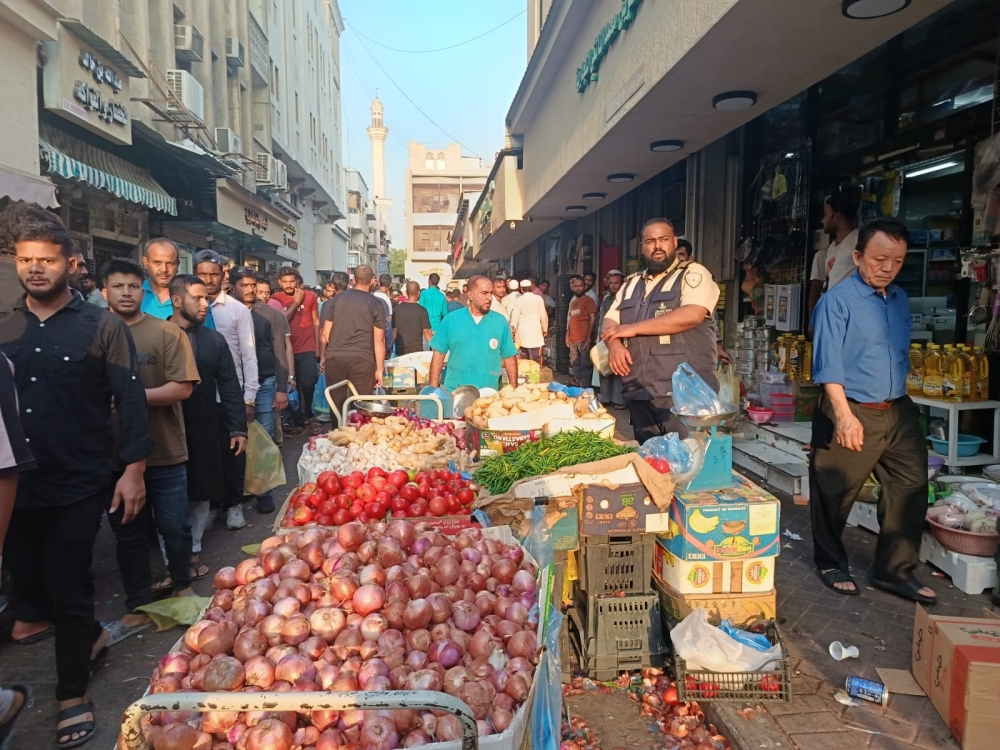
لطالما شكّل الباعة الجائلون جزءاً من النسيج الاجتماعي والاقتصادي في المدن السعودية، حيث يوفرون مصدر دخل حيوي للعديد من الأسر، ويقدمون سلعاً وخدمات بأسعار معقولة. إلا أن غياب الأطر التنظيمية الواضحة أدى إلى بروز العديد من التحديات على مر السنين. كان من أبرز هذه التحديات انتشار العشوائية في أماكن البيع، مما كان يسبب إرباكاً للحركة المرورية ويعيق المشاة. بالإضافة إلى ذلك، ساهم غياب الرقابة في بعض الأحيان في ظهور مخاوف تتعلق بالصحة العامة وسلامة المنتجات، فضلاً عن مساهمته في ظاهرة “التشوه البصري” التي تعمل المملكة على معالجتها بشكل جذري ضمن برامج تحسين جودة الحياة المنبثقة من رؤية 2030.
أهمية المبادرة وأبعادها التنموية
تكمن أهمية هذا النموذج الوطني في كونه يعتمد على منهجية علمية تم تطويرها بالشراكة مع الجامعات والمراكز البحثية المتخصصة. هذا التعاون يضمن أن الحلول المقترحة مبنية على دراسات واقعية لاحتياجات المدن وطبيعة عمل الباعة، مما يضمن استدامتها وفعاليتها. وقد طورت الوزارة منظومة متكاملة تشمل تحديث التشريعات وتبسيط الإجراءات الرقابية، بهدف خلق بيئة عمل آمنة ونظامية. ومن أبرز ملامح المبادرة إطلاق نماذج تطبيقية لـ “حاضنات بلدية” منظمة في عدة مدن، وهي عبارة عن مواقع مخصصة ومجهزة توفر للباعة بيئة عمل حديثة ومستقرة، وتقضي على المظاهر العشوائية.
الأثر الاقتصادي والاجتماعي المتوقع
من المتوقع أن يكون لهذه المبادرة تأثيرات إيجابية واسعة النطاق. على الصعيد الاقتصادي، سيؤدي دمج الباعة الجائلين في الاقتصاد الرسمي إلى تعزيز الشفافية، وتمكينهم من الوصول إلى الخدمات المالية والتأمينية، وفتح آفاق جديدة لنمو مشاريعهم الصغيرة. أما على الصعيد الاجتماعي، فإن تنظيم القطاع يوفر الحماية الاجتماعية لهذه الفئة، ويعزز من شعورهم بالاستقرار والأمان الوظيفي، ويدعم بشكل خاص الفئات الأكثر حاجة في المجتمع. كما أن بناء قواعد بيانات دقيقة للباعة سيساعد في توجيه برامج الدعم الحكومي بشكل أكثر كفاءة وفعالية، مما يضمن وصول المساعدات إلى مستحقيها.
التوافق مع رؤية المملكة 2030
تتقاطع أهداف هذه المبادرة بشكل مباشر مع مستهدفات رؤية المملكة 2030. فهي تساهم في تحسين جودة الحياة من خلال الارتقاء بالمشهد الحضري للمدن السعودية وجعلها أكثر جاذبية ونظاماً. كما أنها تدعم محور “اقتصاد مزدهر” عبر تمكين المنشآت الصغيرة والمتوسطة، وتشجيع ريادة الأعمال، وتحويل الأنشطة الاقتصادية غير المنظمة إلى قطاعات منتجة تساهم في الناتج المحلي. وأكدت الأميرة نجود بنت هذلول أن هذه الجهود تؤسس لمرحلة جديدة من التمكين الاقتصادي المستدام، مع خطط مستقبلية لتوسيع نطاق النماذج الناجحة في جميع مناطق المملكة لضمان استمرارية الأثر التنموي.