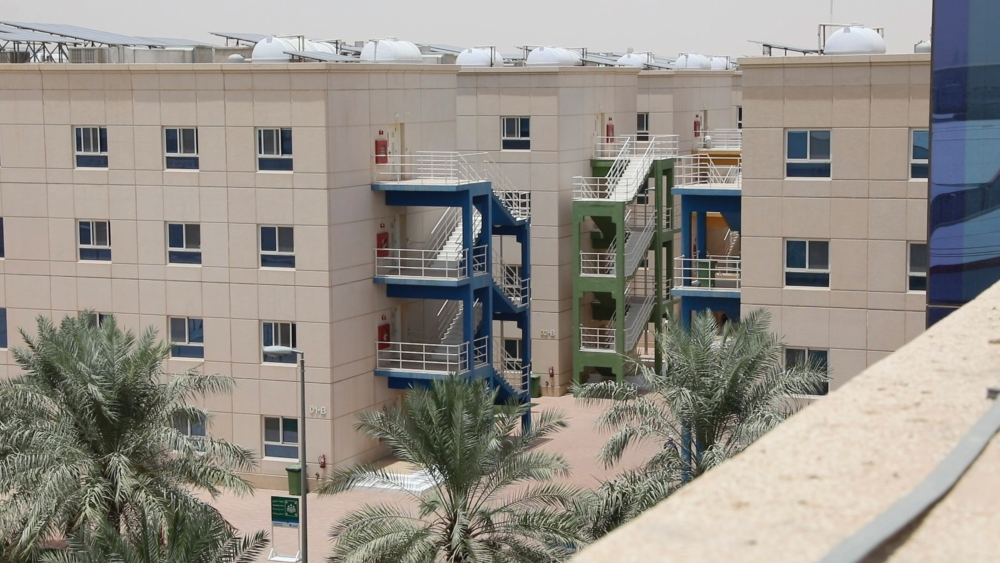
أعلنت وزارة الشؤون البلدية والقروية والإسكان عن تحقيق إنجاز جديد في مسيرتها لتنظيم القطاع العقاري وتحسين البيئة الحضرية في المملكة، حيث كشفت عن إصدار 1,239 رخصة جديدة للسكن الجماعي للأفراد خلال العام الماضي. وتأتي هذه الخطوة في إطار جهود الوزارة المستمرة لضمان توفير بيئة سكنية لائقة وآمنة للعمالة، بما يتماشى مع أعلى المعايير الصحية والتنظيمية، ويعزز من جودة الحياة في المدن السعودية.
خلفية تاريخية وسياق تنظيمي
يعد تنظيم السكن الجماعي أحد الملفات الحيوية التي أولتها المملكة اهتماماً كبيراً، خاصة مع تسارع وتيرة المشاريع التنموية الضخمة التي أطلقتها رؤية السعودية 2030. تاريخياً، كانت مساكن العمالة في بعض الأحيان تفتقر إلى التنظيم والاشتراطات الأساسية، مما يؤثر سلباً على المشهد الحضري والصحة العامة. وإدراكاً لهذه التحديات، أطلقت الحكومة السعودية مبادرات متعددة لإنشاء إطار تنظيمي واضح يضمن حقوق العمالة في سكن ملائم، ويحفز القطاع الخاص على الاستثمار في تطوير وحدات سكنية جماعية نموذجية. وتندرج هذه التراخيص ضمن منصة “سكني” وبرنامج “إيجار” اللذين يهدفان إلى هيكلة السوق العقاري بالكامل، بما في ذلك قطاع الإسكان الجماعي.
أهمية الخطوة وتأثيرها المتوقع
يحمل إصدار هذه التراخيص أهمية كبرى على عدة مستويات. فعلى الصعيد المحلي، يسهم ذلك في القضاء على الأحياء العشوائية والمساكن غير النظامية، مما يحسن من المظهر العام للمدن ويرفع من مستوى السلامة والأمن. كما يضمن توفير بيئة صحية للعمالة، الأمر الذي ينعكس إيجاباً على إنتاجيتهم واستقرارهم النفسي. أما على الصعيد الاقتصادي، فإن تنظيم هذا القطاع يفتح آفاقاً استثمارية واعدة للمطورين العقاريين، ويوفر إطاراً قانونياً يحمي جميع الأطراف. دولياً، تعزز هذه الإجراءات من سمعة المملكة في المحافل الدولية كدولة تحرص على تطبيق أفضل معايير حقوق الإنسان ورعاية العمالة الوافدة، وهو ما يتماشى مع التزاماتها الدولية ويدعم مكانتها كوجهة جاذبة للاستثمارات والكفاءات العالمية.
أرقام ومؤشرات تدعم التحول الرقمي
لم تقتصر جهود الوزارة على إصدار التراخيص فحسب، بل شملت أيضاً تطوير البنية التحتية الرقمية لتسهيل الإجراءات. وأوضحت الوزارة أن متوسط زمن إصدار الرخص البلدية عبر منصة “بلدي” الرقمية بلغ 24 ساعة فقط، مع إصدار 87% من الرخص في أقل من يوم عمل واحد، مما يعكس كفاءة التحول الرقمي. وفيما يخص الرقابة، وصلت نسبة التغطية الرقابية على الأنشطة البلدية إلى 95%، وبلغ معدل امتثال المنشآت للاشتراطات 88%، وهي مؤشرات قوية على جدية التطبيق والمتابعة الميدانية لضمان الالتزام بالمعايير المعتمدة، بما في ذلك متطلبات كود البناء السعودي.