حملة وطنية غير مسبوقة لحماية الهوية الزراعية
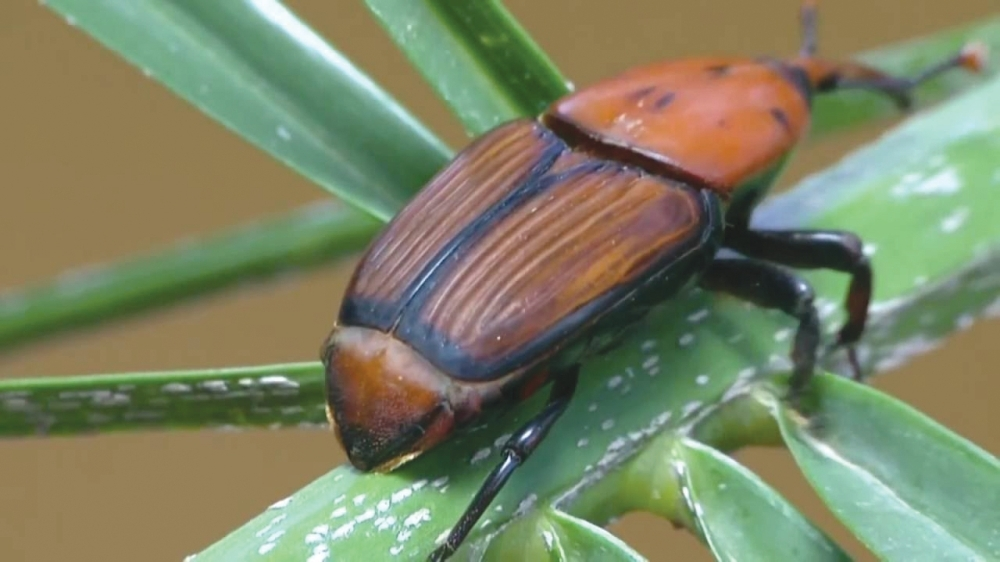
في خطوة استباقية واسعة النطاق، كشف المركز الوطني للوقاية من الآفات النباتية والأمراض الحيوانية ومكافحتها «وقاء»، عن إنجاز ضخم تمثل في فحص أكثر من 76 مليون نخلة في مختلف أنحاء المملكة. تأتي هذه الحملة الشاملة في إطار الجهود الوطنية المستمرة لمكافحة آفة “سوسة النخيل الحمراء”، التي تعد واحدة من أخطر الآفات التي تهدد ثروة النخيل ليس فقط في السعودية بل على مستوى العالم.
السياق التاريخي لمعركة مستمرة
تعتبر سوسة النخيل الحمراء (Rhynchophorus ferrugineus) آفة غازية مدمرة، تم تسجيل ظهورها لأول مرة في المملكة العربية السعودية في منتصف الثمانينيات الميلادية، وتحديداً في محافظة القطيف بالمنطقة الشرقية. ومنذ ذلك الحين، انتشرت لتشكل تهديداً اقتصادياً وبيئياً كبيراً. تكمن خطورتها في أن يرقاتها تحفر أنفاقاً داخل جذع النخلة، مسببة دماراً داخلياً يصعب اكتشافه في مراحله المبكرة، مما أدى إلى تسميتها بـ “القاتل الصامت للنخيل”. ونظراً للمكانة الثقافية والاقتصادية والرمزية التي تحظى بها شجرة النخيل في المملكة، أصبحت مكافحة هذه الآفة أولوية وطنية قصوى لحماية مورد استراتيجي يرتبط ارتباطاً وثيقاً بالأمن الغذائي والتراث الوطني.
نتائج المسح الميداني وتفاصيل المكافحة
أظهرت نتائج المسح الميداني الشامل الذي نفذه مركز “وقاء” رصد إصابة 204 آلاف نخلة. وقد تعاملت الفرق الميدانية المختصة مع هذه الحالات بكفاءة عالية وباستخدام أحدث التقنيات، حيث تم بنجاح إنقاذ وعلاج 150,5 ألف نخلة عبر تقنية “الفوسفين” للمعالجة الكيميائية. كما تم اللجوء إلى أساليب العلاج الميكانيكي الدقيق لمعالجة 20 ألف نخلة أخرى باستخدام تقنيات “الكشط والحقن”. وفي الحالات المتقدمة التي استعصى علاجها، اضطرت الفرق إلى إزالة 1676 نخلة فقط، وهو رقم ضئيل جداً مقارنة بحجم الفحص الهائل، مما يعكس فعالية استراتيجيات الكشف المبكر وسرعة الاستجابة قبل تفاقم الضرر.
توزيع الجهود على مناطق المملكة
تصدرت المنطقة الشرقية، كونها خط الدفاع الأول تاريخياً ضد هذه الآفة، خارطة الجهود الوقائية، حيث استحوذت على النصيب الأكبر من عمليات الفحص بإجمالي قارب 18 مليون نخلة. تلتها منطقة الرياض بفحص حوالي 13.7 مليون نخلة، ثم منطقة المدينة المنورة بأكثر من 10.6 مليون نخلة، ومنطقة حائل بنحو 8.6 مليون نخلة، فالقصيم بـ 8.1 مليون نخلة، بينما توزعت بقية الأرقام على مختلف مناطق المملكة.
الأهمية والتأثير الاستراتيجي للنجاح المحقق
أثمرت هذه الاستراتيجية الدفاعية المتكاملة عن خفض نسبة الإصابة بسوسة النخيل الحمراء على مستوى المملكة إلى رقم قياسي بلغ 0.27% فقط. هذا الإنجاز لا يمثل نجاحاً محلياً فحسب، بل له أبعاد إقليمية ودولية. فعلى الصعيد المحلي، يساهم في حماية الأمن الغذائي، ودعم المزارعين، واستدامة قطاع التمور الذي يعد مكوناً رئيسياً في الاقتصاد الوطني غير النفطي، بما يتماشى مع مستهدفات رؤية السعودية 2030. إقليمياً، تقدم المملكة نموذجاً رائداً في مكافحة الآفات يمكن للدول المجاورة الاستفادة منه لحماية ثرواتها من النخيل. ودولياً، تعزز هذه الجهود مكانة السعودية كقوة مؤثرة في مجال السلامة الزراعية وتطبيق أفضل الممارسات العالمية، خاصة مع إطلاق مشروع تطبيقي لتقنية كشف مبكر تعمل كنظام إنذار ذكي، مما يرفع كفاءة المكافحة ويقلل الهدر في الموارد.