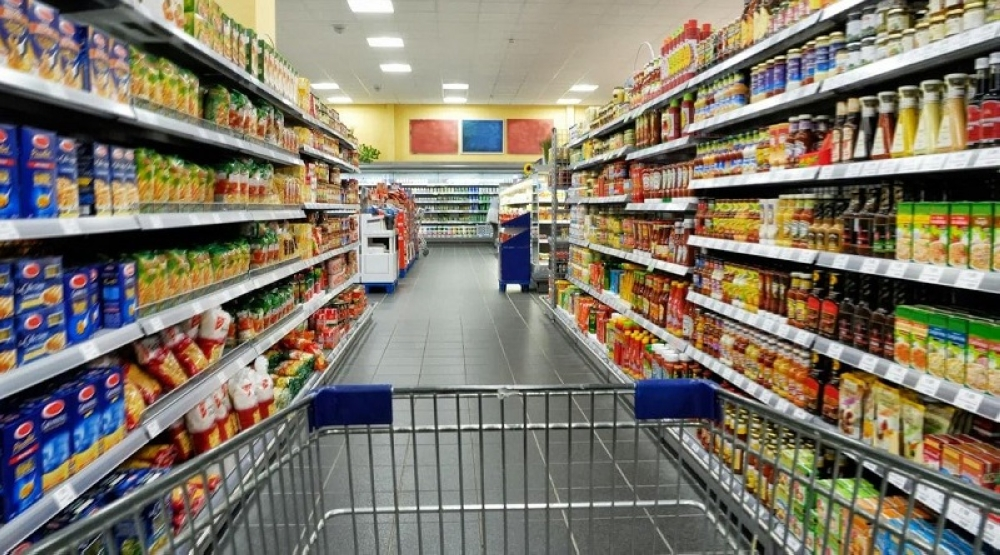
Saudi Arabia's inflation rate has shown remarkable stability and positive indicators reflecting the strength of the national economy. The General Authority for Statistics announced that the Consumer Price Index (CPI) recorded a slight year-on-year increase of 1.7% in February, compared to the same month of the previous year. This slight decrease compared to January, when the index registered 1.8%, confirms the success of the Kingdom's fiscal and monetary policies in curbing price increases.
The economic context and the evolution of the inflation rate in Saudi Arabia
Historically, Saudi Arabia has consistently adopted flexible economic policies aimed at protecting domestic consumers from global price fluctuations. Amid recent global economic crises that have led to record-high international inflation rates, Saudi Arabia's inflation rate as one of the lowest and most stable among G20 countries. This stability is primarily attributed to proactive government interventions, such as capping domestic fuel prices and subsidizing essential commodities, in addition to the strength of the Saudi riyal, which is pegged to the US dollar. These factors have significantly mitigated the impact of imported inflation. These indicators align with the objectives of Saudi Vision 2030, which seeks to diversify income sources and create a sustainable and attractive economic environment for foreign investment.
Key sectors influencing the annual index
According to the official Consumer Price Index report issued by the Statistics Authority, the annual price change is mainly attributed to a 4.1% increase in the housing, water, electricity, gas, and other fuels category. This rise was driven by a 5.1% increase in the actual rental prices of residential properties, reflecting increased activity and growing demand in the real estate sector.
In the same vein, transportation prices rose by 1.4%, influenced by a 5.6% increase in passenger transport fees. The restaurants and accommodation services sector also saw growth of 1.9%. The most significant increase, however, was in the personal care, social protection, and other goods sector, which rose by 8.2%, driven by a 26.8% surge in personal belongings prices, particularly jewelry and watches, which saw a 29% increase.
Basic commodities remain stable, furniture prices decline
On the other hand, the report showed a 0.9% decrease in prices for furniture, household appliances, and routine maintenance, influenced by a 3.4% drop in the prices of furnishings and carpets. More importantly for consumers, the food and beverage and clothing and footwear sectors remained completely stable in their price levels during the comparison period, reflecting ample supply and stable supply chains in local markets.
Strategic importance and expected impact on prices
Maintaining low inflation levels (below 2%) is of paramount importance both domestically and internationally. Domestically, this stability ensures the preservation of the purchasing power of citizens and residents and strengthens consumer confidence in the domestic market. Regionally and internationally, controlling inflation enhances the Kingdom's position as a safe and stable investment destination, especially at a time when many major economies are experiencing inflationary pressures. This stability also provides the Saudi Central Bank with the flexibility to adjust its monetary policies to global changes without jeopardizing domestic economic growth rates.
Reading the monthly price index
On a monthly basis, the Consumer Price Index (CPI) in February remained relatively stable compared to January. Despite this overall stability, some sectors saw slight changes; housing and utilities rose by 0.3%, transportation by 0.2%, restaurants by 0.3%, and recreation and culture by 0.8%. Conversely, food and beverage prices declined by 0.5%, and furniture prices fell by 0.4%, contributing to a general balance in the consumer basket and preventing any sudden price spikes.