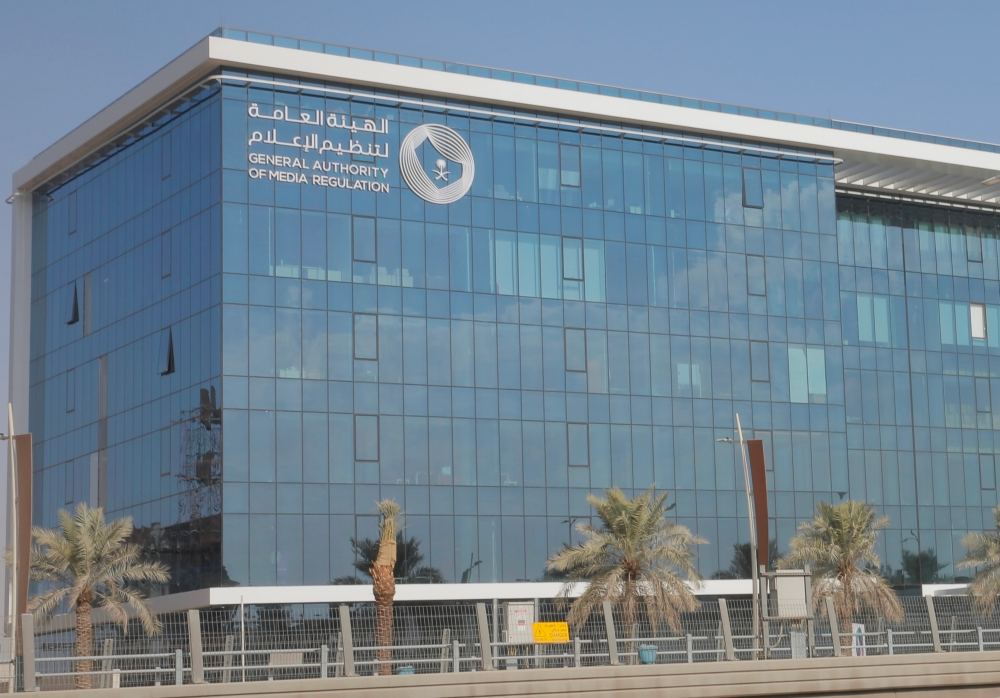
In a move reflecting Saudi Arabia's commitment to regulating the digital space and protecting its national stability, Hassan Al-Salmi, Deputy CEO of the General Authority for Media Regulation , affirmed that incitement and systematic agitation against state institutions and policies do not fall under the umbrella of freedom of expression, but rather constitute a cybercrime punishable by law. This statement comes at a time when the digital world is facing increasing challenges related to the spread of misinformation and hate speech.
A sophisticated digital context and Vision 2030
These assurances come within the context of the Kingdom's massive digital transformation, a key component of Vision 2030. With the increasing reliance on digital platforms and social media, the need has arisen for a regulatory and legal framework that balances encouraging creative and meaningful content with protecting the social fabric from attempts to undermine public security. The General Authority for Media Regulation plays a pivotal role in this equation, working to empower the media sector and encourage investment in it, while simultaneously exercising its oversight role to ensure content quality and protect society from negative influences.
Details of violations and legal procedures
In a statement to Al Arabiya, Al-Salmi explained that the commission had recently detected systematic publications by certain individuals that posed a threat to public safety and incited public opinion against state institutions. He emphasized that these actions constituted a clear violation of regulations, stating, "The statement issued stems from the commission's oversight role, as it recognized the seriousness of the grave violations committed by a number of individuals.".
Accordingly, the authority identified the offending accounts and referred them to the Public Prosecution, based on the Anti-Cybercrime Law . Al-Salmi emphasized that these practices fall under the category of criminal acts that violate public order.
Article Six: A decisive legal deterrent
Al-Salmi based his warning on the text of the first paragraph of Article 6 of the Anti-Cybercrime Law, which clearly stipulates severe penalties for violators. The article states: “Anyone who commits the crime of producing, preparing, transmitting, or storing, via the internet or any computer device, anything that could harm public order, religious values, public morals, or the sanctity of private life, shall be punished by imprisonment for a period not exceeding five years and a fine not exceeding three million riyals, or by either of these penalties.”.
#4PM_Bulletin | Hassan Al-Salmi, Deputy CEO of the General Authority for Media Regulation: We have observed the seriousness of the actions taken by some individuals through the dissemination of systematic posts that pose a threat to community security and incite and agitate against state institutions and policies. This contradicts freedom of expression and violates regulations. pic.twitter.com/G2KFVzdJhF
— Al Arabiya Saudi Arabia (@AlArabiya_KSA) November 27, 2025
Constructive criticism versus incitement: a clear dividing line
Al-Salmi made a clear distinction between constructive criticism, which state institutions welcome and consider part of “regulated freedom,” and the practices of incitement and provocation aimed at spreading chaos and frustration. He asked, “Is trying to climb the ladder and profit at the expense of society’s issues and concerns through false, mobilizing rhetoric, with the goal of increasing followers and views, what is called constructive criticism?”.
He stressed that the state will never tolerate those who use freedom of expression as a pretext to create media chaos, noting that many are being drawn into following anonymous accounts that push them to commit legal violations without realizing their seriousness.
Importance and expected impact
These measures are of paramount importance both locally and regionally. Locally, they aim to enhance legal awareness among social media users and reinforce individual responsibility for maintaining security and stability. Regionally, this step sends a clear message about the Kingdom's seriousness in addressing cyber and security threats that exploit the digital space, in a region facing escalating political and security challenges.
In conclusion, the General Authority for Media Regulation renewed its call for everyone to be aware of their own responsibility and to familiarize themselves with media regulations, in order to ensure that they do not commit violations that may subject them to legal accountability.