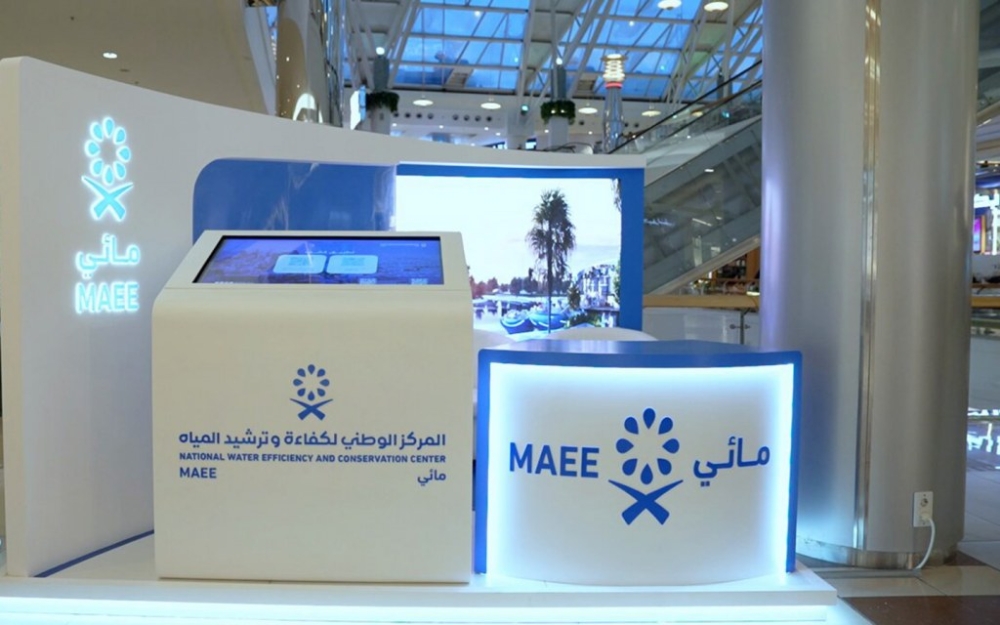
أعلن المركز الوطني لكفاءة وترشيد المياه (مائي) عن بدء التطبيق الفعلي للائحة التراخيص الجديدة المنظمة لعمل مقدمي خدمات كفاءة وترشيد استهلاك المياه في المملكة العربية السعودية. تأتي هذه الخطوة التنظيمية الهامة بعد انتهاء المدة النظامية المحددة لدخولها حيز التنفيذ، وتعد جزءاً محورياً من الجهود الوطنية لتعزيز الاستدامة المائية وتحقيق مستهدفات رؤية المملكة 2030 الطموحة.
السياق العام: مواجهة تحديات ندرة المياه
تُصنف المملكة العربية السعودية ضمن أكثر دول العالم التي تواجه تحديات ندرة المياه، حيث تعتمد بشكل كبير على تحلية مياه البحر، وهي عملية مكلفة وتستهلك كميات كبيرة من الطاقة، بالإضافة إلى الاعتماد على المياه الجوفية غير المتجددة. وفي ظل النمو السكاني والتوسع الاقتصادي، أصبح ترشيد الاستهلاك ورفع كفاءة استخدام المياه ضرورة استراتيجية وليست خياراً. من هذا المنطلق، تأسس مركز “مائي” ليكون الجهة التنظيمية والرقابية المسؤولة عن وضع السياسات والمعايير التي تضمن تحقيق الأمن المائي للمملكة على المدى الطويل.
تفاصيل اللائحة وأنشطتها الرئيسية
تهدف اللائحة الجديدة إلى تنظيم سوق خدمات كفاءة المياه في القطاعات الحيوية الثلاثة: الحضري، والزراعي، والصناعي. ويتم ذلك عبر وضع إطار قانوني واضح يحدد مسؤوليات مقدمي الخدمات والممارسين، وآليات الرقابة، بما يضمن جودة الخدمات المقدمة وحماية حقوق المستفيدين. وقد حدد مركز “مائي” أربعة أنشطة رئيسية يتطلب ممارستها الحصول على ترخيص رسمي، وهي:
- خدمات التدقيق في استخدامات المياه: تحليل وتقييم أنماط الاستهلاك الحالية لتحديد مواطن الهدر.
- القياس والتحقق من الوفورات المائية: تطبيق بروتوكولات معتمدة لقياس كمية المياه التي تم توفيرها بعد تطبيق حلول الترشيد.
- خدمات كشف التسربات وإصلاحها: استخدام تقنيات متقدمة لتحديد وإصلاح التسربات في شبكات المياه.
- إدارة مشاريع كفاءة المياه: تصميم وتنفيذ حلول ومشاريع متكاملة لرفع كفاءة الاستهلاك.
وأشار المهندس فهاد الدوسري، الرئيس التنفيذي لمركز “مائي”، إلى أن اللائحة تشمل منح ثمانية أنواع مختلفة من التراخيص، مما يسمح بتخصصية أكبر في السوق ويمكّن الأفراد والمؤسسات من الحصول على ترخيص “مدقق مائي” معتمد.
الأهمية والتأثير المتوقع
على المستوى المحلي، يُتوقع أن تُحدث هذه اللائحة نقلة نوعية في قطاع خدمات المياه، حيث ستؤدي إلى رفع مستوى الاحترافية والجودة، وخلق سوق عمل منظم وجاذب للكفاءات الوطنية. كما ستسهم في خفض معدلات الاستهلاك المرتفعة، مما يخفف الضغط على الموارد المائية ويقلل من تكاليف فواتير المياه على المستهلكين والشركات. أما إقليمياً، فتمثل هذه الخطوة نموذجاً رائداً يمكن أن تقتدي به دول الخليج والمنطقة التي تواجه تحديات مائية مماثلة. ودولياً، تعزز هذه الإجراءات من مكانة المملكة كدولة مسؤولة وملتزمة بأهداف التنمية المستدامة للأمم المتحدة، خاصة الهدف السادس المتعلق بضمان توافر المياه وخدمات الصرف الصحي للجميع.