في تجسيد لدور المملكة العربية السعودية الريادي في العمل الإنساني العالمي، يواصل مركز الملك سلمان للإغاثة والأعمال الإنسانية مد يد العون للمجتمعات المتضررة حول العالم، حيث نفذ مؤخراً سلسلة من المشاريع الإغاثية الحيوية في خمس دول عبر قارتي آسيا وأفريقيا وأوروبا، شملت مساعدات طبية متخصصة وسلالاً غذائية عاجلة، استهدفت الفئات الأكثر ضعفاً من اللاجئين وضحايا الكوارث الطبيعية والأزمات الاقتصادية.
السياق العام للجهود الإنسانية السعودية
تأسس مركز الملك سلمان للإغاثة والأعمال الإنسانية في عام 2015 ليكون الذراع الدولي للمملكة في تقديم المساعدات الإنسانية والإغاثية. ومنذ تأسيسه، عمل المركز على تنفيذ آلاف المشاريع في عشرات الدول حول العالم، مرتكزاً على مبادئ الحياد وعدم التحيز، بهدف تخفيف المعاناة الإنسانية بغض النظر عن العرق أو الدين. وتأتي هذه المساعدات الأخيرة كجزء من استراتيجية المملكة المستمرة لدعم الاستقرار العالمي وتعزيز التنمية البشرية في المناطق المنكوبة، مما يعكس التزامها الراسخ بالمسؤولية الدولية.
دعم طبي متخصص في جزر القمر
في جمهورية جزر القمر المتحدة، اختتم المركز مشروعين طبيين تطوعيين في مجالي جراحة الأطفال والمسالك البولية بمدينة موروني. بمشاركة فريق طبي متخصص مكون من 10 متطوعين، تمكن المشروع من إجراء الكشف الطبي على 117 مريضاً وتنفيذ 65 عملية جراحية دقيقة، تكللت جميعها بالنجاح. تكتسب هذه المبادرة أهمية خاصة في ظل التحديات التي يواجهها القطاع الصحي في جزر القمر، حيث تساهم مثل هذه الحملات في توفير رعاية طبية متقدمة يصعب الحصول عليها محلياً، فضلاً عن نقل الخبرات إلى الكوادر الطبية المحلية.
إغاثة عاجلة لمتضرري زلزال أفغانستان
استجابةً للآثار المدمرة للزلزال الذي ضرب شمال أفغانستان، قام مركز الملك سلمان للإغاثة بتوزيع 520 سلة غذائية و520 كرتون تمر في ولاية بلخ. استفادت من هذه المساعدات 520 أسرة متضررة، مما ساهم في تأمين احتياجاتهم الغذائية الأساسية في ظل ظروف إنسانية بالغة الصعوبة. وتعد أفغانستان من أكثر الدول التي تواجه أزمات إنسانية معقدة، تتفاقم بفعل الكوارث الطبيعية، مما يجعل المساعدات الغذائية العاجلة شريان حياة للسكان المحليين.
أطراف صناعية للاجئين الأوكرانيين في بولندا
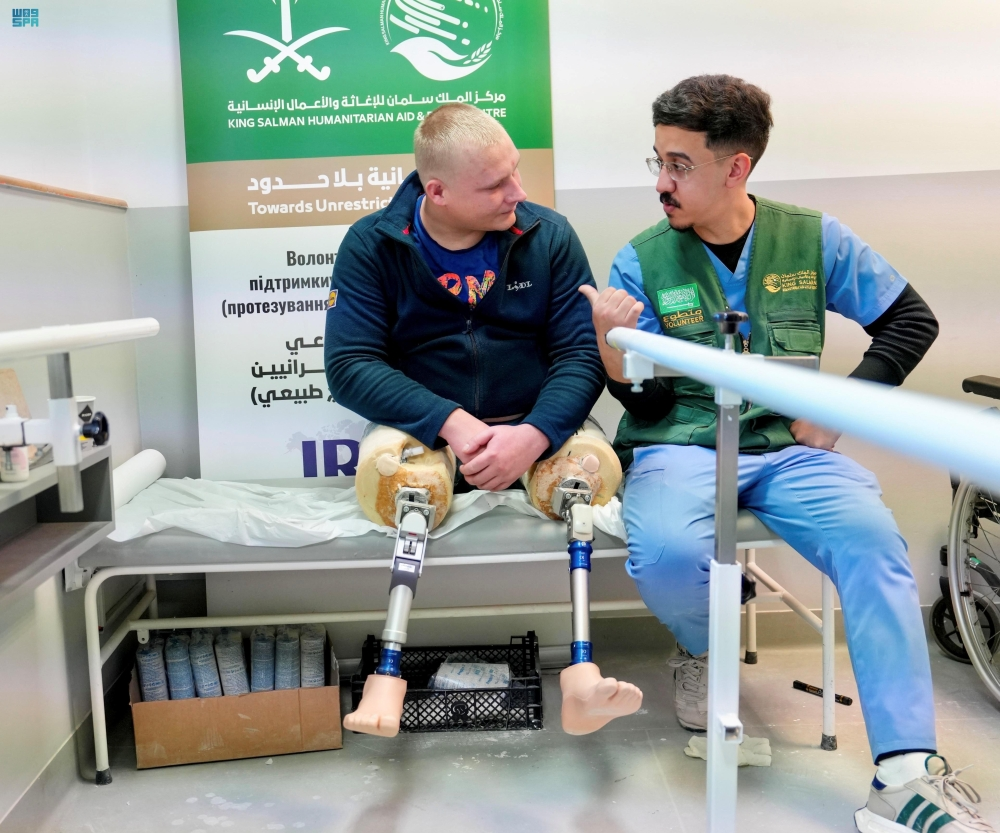
في لفتة إنسانية هامة، اختتم المركز مشروعه الطبي التطوعي لتركيب الأطراف الصناعية للاجئين الأوكرانيين في مدينة جيشوف البولندية. ساعد المشروع 20 مستفيداً من ضحايا الحرب على استعادة قدرتهم على الحركة وتحسين جودة حياتهم. منذ بدء الأزمة الأوكرانية، استقبلت بولندا ملايين اللاجئين، ويأتي هذا المشروع ليسلط الضوء على الاحتياجات الطبية طويلة الأمد للنازحين، مؤكداً على أهمية الدعم النفسي والجسدي لإعادة تأهيلهم ودمجهم في مجتمعاتهم الجديدة.
دعم غذائي للاجئين والمجتمع المضيف في لبنان
في ظل الأزمة الاقتصادية الخانقة التي يعيشها لبنان، وزّع المركز 882 سلة غذائية و882 كرتون تمر في محافظة عكار، استفاد منها 4,410 أفراد من اللاجئين السوريين والفلسطينيين، بالإضافة إلى الأسر اللبنانية في المجتمع المضيف. يهدف هذا الدعم إلى تخفيف العبء الاقتصادي عن كاهل الأسر الأكثر حاجة، والمساهمة في تعزيز الاستقرار الاجتماعي بين مختلف مكونات المجتمع في لبنان، الذي يستضيف أكبر عدد من اللاجئين في العالم نسبة لعدد سكانه.
رعاية الطفولة في مخيم الزعتري بالأردن
بالتزامن مع اليوم العالمي للطفل، نظم مركز الملك سلمان للإغاثة فعاليات ترفيهية ورياضية متنوعة لأطفال اللاجئين السوريين في مخيم الزعتري بالأردن. شملت الأنشطة مسابقات ومباريات لكرة القدم، بهدف تقديم الدعم النفسي والاجتماعي للأطفال الذين يعيشون في ظروف اللجوء الصعبة. يعتبر مخيم الزعتري من أكبر مخيمات اللاجئين في العالم، وتلعب هذه المبادرات دوراً محورياً في رسم البسمة على وجوه الأطفال وتخفيف الآثار النفسية للأزمة السورية عليهم.