توقعات الطقس في السعودية ليوم الجمعة
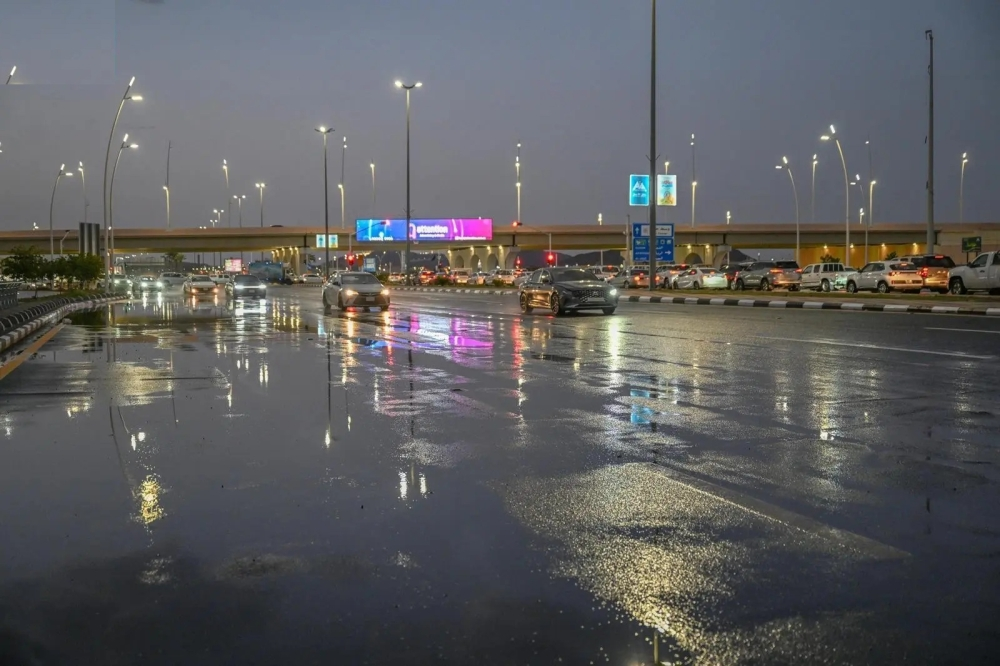
أصدر المركز الوطني للأرصاد في المملكة العربية السعودية تقريره اليومي عن حالة الطقس المتوقعة ليوم الجمعة، مشيراً إلى استمرار التقلبات الجوية على أجزاء واسعة من البلاد. وحذر التقرير من هطول أمطار رعدية مصحوبة برياح نشطة مثيرة للأتربة والغبار، مما قد يؤدي إلى شبه انعدام في الرؤية الأفقية على 10 مناطق مختلفة.
المناطق المتأثرة بالأمطار والرياح
وفقاً لتقرير الأرصاد، من المتوقع استمرار هطول الأمطار الرعدية، التي قد تكون متوسطة إلى غزيرة أحياناً، على مرتفعات مناطق جازان، عسير، الباحة، ومكة المكرمة. وستكون هذه الأمطار مصحوبة برياح نشطة قد تصل سرعتها إلى مستويات عالية، مما يزيد من احتمالية تشكل السيول في الأودية والمناطق المنخفضة.
كما توقع المركز نشاطاً في الرياح السطحية المثيرة للأتربة والغبار، والتي ستؤثر على الأجزاء الشرقية من المرتفعات الجنوبية الغربية، وتمتد لتشمل أجزاءً من مناطق الرياض، المدينة المنورة، القصيم، حائل، الجوف، والحدود الشمالية. ولم يستبعد التقرير فرصة هطول أمطار خفيفة على الأطراف الشمالية للمملكة.
السياق المناخي للتقلبات الجوية في المملكة
تأتي هذه التوقعات في سياق مناخي معتاد تشهده المملكة العربية السعودية خلال الفترات الانتقالية بين الفصول، حيث تتأثر البلاد بتيارات هوائية مختلفة المصادر. وتلعب التضاريس الجغرافية للمملكة، خاصة سلسلة جبال السروات في الغرب، دوراً حيوياً في تكثف السحب الرعدية نتيجة لرفع الهواء الرطب القادم من البحر الأحمر. وفي المقابل، تساهم الصحاري الشاسعة مثل الربع الخالي والنفود الكبير في توفير مصدر للغبار والرمال التي تحملها الرياح النشطة عبر المناطق، مما يشكل الظواهر الغبارية المعروفة.
التأثيرات المتوقعة وأهمية اتباع الإرشادات
لهذه الظواهر الجوية تأثيرات مباشرة على الحياة اليومية والسلامة العامة. فالرياح المثيرة للأتربة قد تتسبب في تدني مدى الرؤية الأفقية بشكل حاد، مما يشكل خطراً على حركة النقل البري والجوي، بالإضافة إلى تأثيراتها الصحية على مرضى الجهاز التنفسي والربو. من جانب آخر، ورغم أهمية الأمطار كمصدر للمياه، إلا أن غزارتها قد تؤدي إلى جريان السيول، وهو ما يستدعي أخذ الحيطة والحذر والابتعاد عن مجاري الأودية. ويشدد المركز الوطني للأرصاد والدفاع المدني السعودي باستمرار على ضرورة متابعة التنبيهات والتحذيرات الصادرة عبر القنوات الرسمية وتوخي الحذر أثناء القيادة في الظروف الجوية غير المستقرة.
حالة البحر والملاحة البحرية
البحر الأحمر
- الرياح السطحية: شمالية غربية إلى شمالية على الجزء الشمالي والأوسط بسرعة 15-30 كم/ساعة، وجنوبية شرقية إلى شرقية على الجزء الجنوبي بسرعة 12-32 كم/ساعة، قد تصل إلى 50 كم/ساعة مع تكون السحب الرعدية.
- ارتفاع الموج: من نصف متر إلى متر ونصف، ويصل إلى أعلى من مترين مع تكون السحب الرعدية على الجزء الجنوبي.
- حالة البحر: خفيف إلى متوسط الموج، وقد يكون مائجاً مع تكون السحب الرعدية على الجزء الجنوبي.
الخليج العربي
- الرياح السطحية: شمالية غربية إلى شمالية بسرعة 15-38 كم/ساعة.
- ارتفاع الموج: من نصف متر إلى متر ونصف.
- حالة البحر: خفيف إلى متوسط الموج.