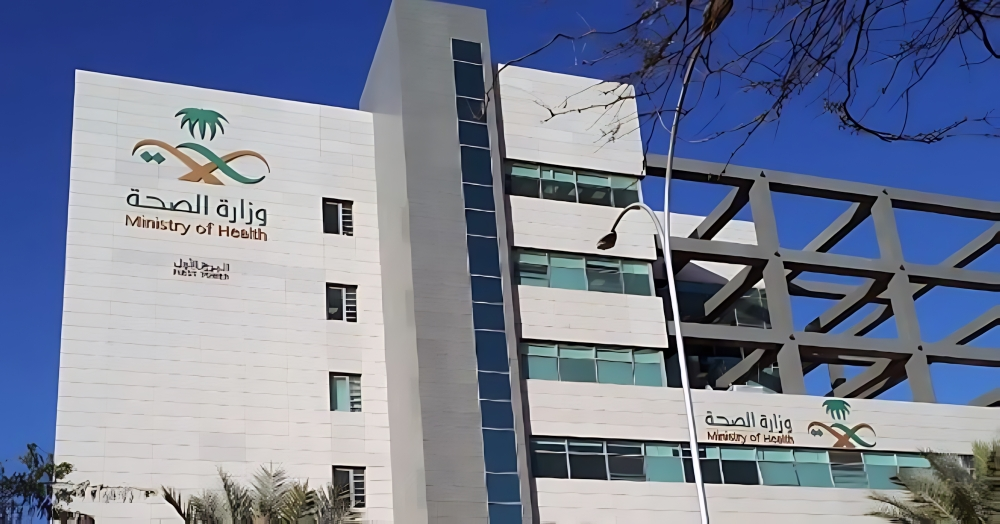
The Saudi Ministry of Health announced the results of its intensive malaria control efforts for 2024, revealing that extensive testing of over 650,000 people confirmed the Kingdom is completely free of any native or endemic malaria cases. The Ministry emphasized that all 7,041 positive cases detected were classified as either imported or introduced from abroad, reflecting the effectiveness of the health system and the strength of its epidemiological surveillance and control programs at border crossings and within the Kingdom.
This achievement is the culmination of decades of dedicated work within the National Malaria Elimination Program, which aims to completely halt local transmission of the disease. Historically, some regions of the Kingdom, particularly in the south such as Jazan and Asir, provided a suitable environment for the breeding of Anopheles mosquitoes, the disease vector, due to their geographical and climatic characteristics. However, the integrated strategies implemented by the Kingdom, which include vector control, health awareness campaigns, rapid diagnosis, and the provision of effective treatment, have led to a significant decline in local transmission, culminating in the recording of zero endemic cases.
Malaria is a serious parasitic disease transmitted through the bites of infected mosquitoes and poses a global health challenge. Detailed data from the Ministry of Health shows that the Plasmodium falciparum parasite, the most dangerous type, accounted for the majority of reported cases (3,798), underscoring the importance of early diagnosis for arrivals from endemic countries to avoid serious complications.
Statistics show that the Jazan region topped the list in terms of the number of tests and detected cases, with 149,244 tests conducted, resulting in 3,251 positive cases. This concentration is attributed to its border location, making it a focal point for monitoring efforts. The Asir region followed with 869 cases, then Jeddah, which recorded the highest positivity rate, exceeding 5%. This can be explained by its status as a major port and a vital gateway for workers and visitors.
Nationally and internationally, this announcement carries immense significance. Locally, it reassures citizens and residents of the effectiveness of the healthcare system in safeguarding national health security. Regionally, it positions the Kingdom among the leading nations in combating infectious diseases, offering a successful model that can be emulated. Internationally, the Kingdom's achievement of the goal to eliminate endemic malaria represents a crucial step towards realizing the World Health Organization's global objectives and demonstrates that eradicating the disease is possible even amidst heavy international travel, provided there is a robust and vigilant healthcare system in place.
Despite this success, the Ministry of Health continues to emphasize that the greatest challenge lies in preventing the reintroduction of the disease through imported cases. Therefore, efforts continue to strengthen screening, isolation, and treatment procedures for cases arriving from abroad, alongside ongoing mosquito control programs in high-risk areas, to ensure the sustainability of this important health achievement and protect the Kingdom from this epidemic.