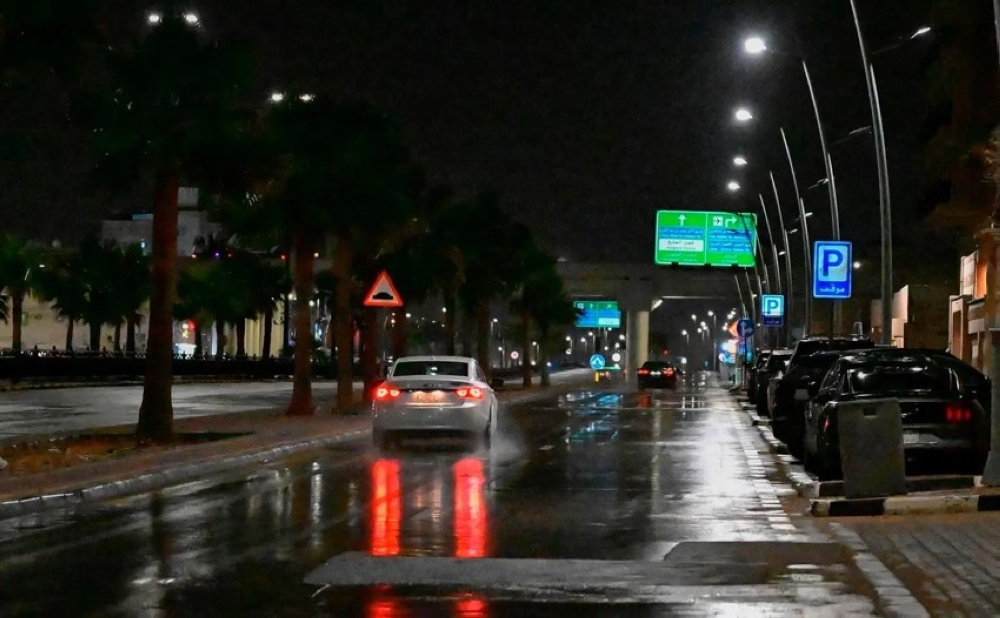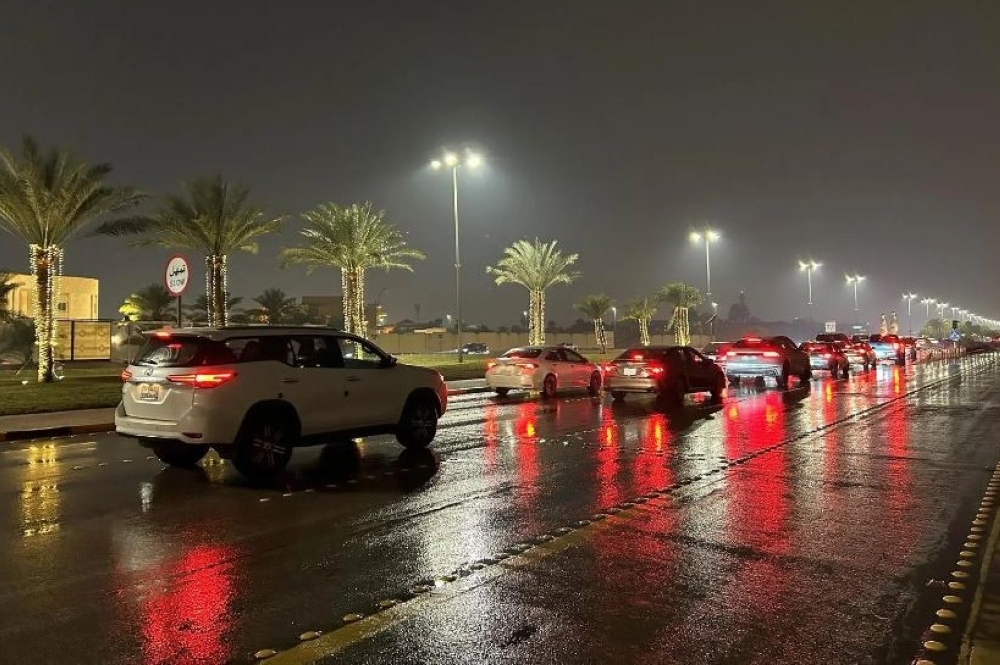
The National Center for Meteorology in Saudi Arabia issued an important weather alert for Monday, warning of varying intensities of fog across large parts of seven regions, which will significantly reduce horizontal visibility. The center explained that this weather phenomenon will begin in the early morning hours and continue until 8:00 AM, urging everyone to take precautions.
According to the report, the effects associated with fog will range from a decrease in horizontal visibility to between (3-5) kilometers in some places, while it may reach almost zero in other areas, with visibility recording only between (1-3) kilometers, which poses a danger to public safety and traffic safety.
Areas and cities affected by fog
The alert covered a large number of governorates and cities in the following regions:
- Eastern Province: Al-Khafji, Al-Nairiyah, Hafr Al-Batin, Qaryat Al-Ulya, Al-Ahsa, Jubail, Al-Khobar, Dammam, Dhahran, Qatif, Abqaiq, and Ras Tanura.
- Riyadh region: Al-Zulfi, Al-Ghat, Al-Majma’ah, and Shaqra.
- Makkah Region: Al Qunfudhah and Al Lith.
- Al-Qassim region: Buraidah, Unaizah, Ar-Rass, Al-Bukayriyah, Al-Mudhnib, and many other governorates in the region.
- Hail region: Hail city, Al-Hait, Al-Sulaimi, Al-Shamli, Al-Ghazala, and Muwaqq.
- Jazan region: Abu Arish, Ahad Al Masarihah, Al Darb, Samtah, and Sabya.
- Asir region: Al-Barak and Al-Qahmah.
Climate context and the importance of warnings
Fog formation is a common weather phenomenon in the Kingdom during certain times of the year, especially during winter and the transitional periods between seasons. Fog typically forms when moist air near the Earth's surface cools to the dew point, causing water vapor to condense into tiny water droplets that remain suspended in the air. In coastal areas such as the Eastern Province and Jazan, high humidity from the Arabian Gulf and the Red Sea contributes to increased fog density. In inland areas such as Riyadh and Qassim, fog often occurs due to the sharp drop in temperatures during clear, calm nights.
Expected effects and safety guidelines
Reduced horizontal visibility has direct and serious consequences, most notably on the transportation sector. The likelihood of traffic accidents increases significantly on highways and between cities. Therefore, relevant authorities, such as the General Directorate of Traffic and Civil Defense, emphasize the need for drivers to exercise extreme caution, avoid high speeds, maintain a safe distance between vehicles, and use low-beam fog lights. Air traffic at some regional and international airports may also be affected if visibility falls below safe operational levels, potentially leading to delays or rescheduling of some flights. The National Center of Meteorology advises citizens and residents to follow continuous weather updates to take necessary precautions and ensure their safety.