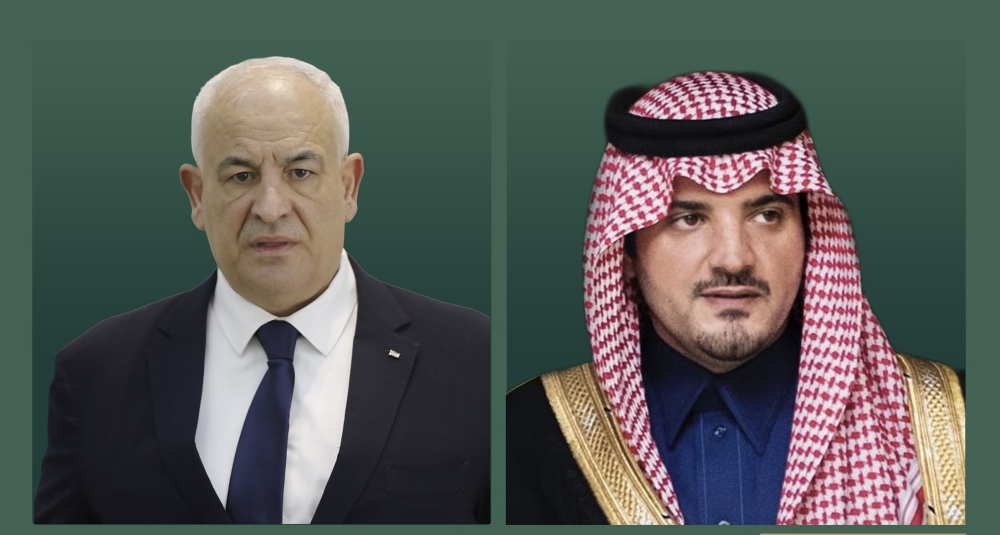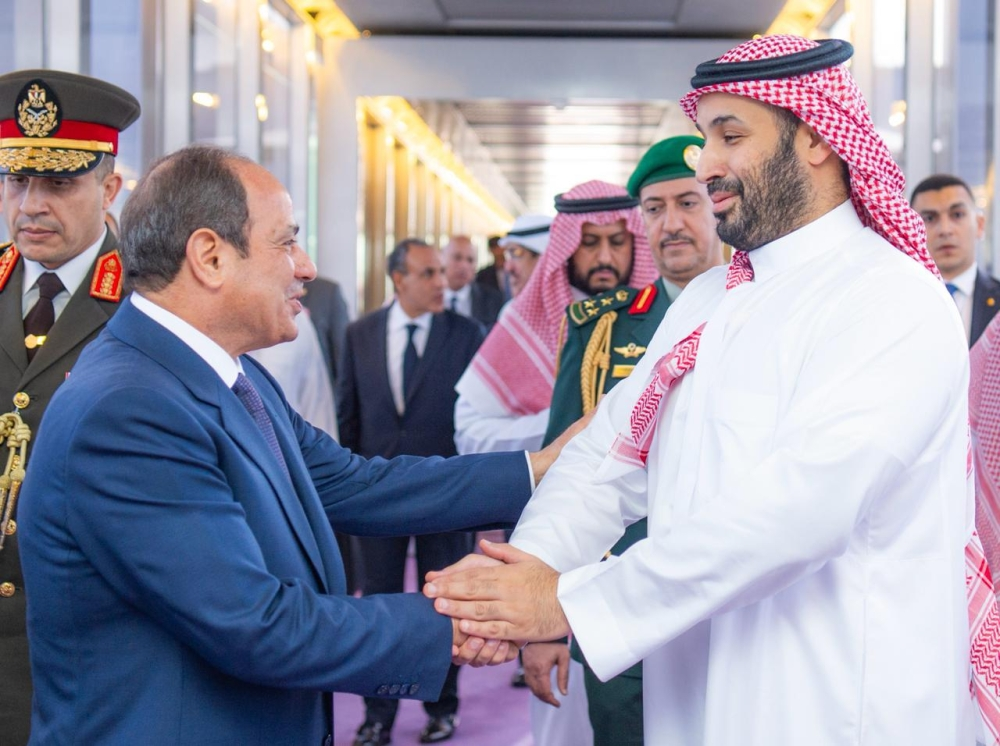
In a decisive diplomatic move, Saudi Arabia announced its decision to expel the Iranian military attaché , his assistant, and three other members of the Iranian diplomatic mission. Official sources stated that these individuals were notified that they must leave Saudi territory within 24 hours, having been officially designated as persona non grata. This swift development comes amid escalating tensions and emerging security concerns that have necessitated firm measures to protect national security.
Reasons for the removal of the military attaché from the Iranian embassy
The Saudi Ministry of Foreign Affairs issued a strongly worded statement reiterating its unequivocal condemnation of Iran's blatant and ongoing attacks targeting the Kingdom of Saudi Arabia, the Gulf Cooperation Council (GCC) states, and several other Arab and Islamic countries. The statement emphasized that Tehran's continued targeting of the Kingdom's sovereignty, civilian infrastructure, economic interests, and diplomatic missions constitutes a flagrant violation of all international conventions and norms.
The Ministry stated that these actions are completely incompatible with the principles of good neighborliness and respect for the sovereignty of states, and blatantly violate the outcomes of the Beijing Agreement and relevant Security Council resolutions. The Kingdom also clarified that these practices contradict the values of Islamic brotherhood that the Iranian side so often proclaims, thus proving to the international community that these statements are mere words, not reflected in actions on the ground.
The course of diplomatic relations and adherence to agreements
To understand the implications of this decision, one must consider the historical and diplomatic context of relations between Riyadh and Tehran. The region has recently witnessed intensive diplomatic efforts culminating in international agreements, most notably the agreement brokered by China in Beijing, which aimed to resume diplomatic relations and establish regional stability based on mutual respect and non-interference in internal affairs.
However, the continued transgressions and successive security threats have demonstrated a gap between diplomatic commitments and actual practices. The recent Saudi move reflects growing impatience with any threat to national security and underscores that the Kingdom places its sovereignty and the security of its citizens above all other considerations, warning that the continuation of these attacks will lead to further escalation and will have a profound impact on the future of bilateral relations.
Regional and international repercussions of the firm decision
This diplomatic move carries multiple messages. Domestically, the decision reassures citizens and residents that the Saudi leadership will not hesitate to take all necessary measures to preserve its sovereignty, safeguard its security, and protect its territory, airspace, and resources. The Kingdom bases its legitimate right to self-defense on Article 51 of the UN Charter, which guarantees states the right to respond to any aggression.
At the regional and international levels, this firm stance strengthens the unity of the Gulf Cooperation Council (GCC) states in confronting shared security challenges. It also places the international community before its responsibilities to press for respect for international law and underscores that stability in the Middle East requires a genuine commitment to halting all forms of interference and aggression that undermine international peace and security.