A field survey conducted by Al-Youm newspaper, coinciding with the International Day of Persons with Disabilities , revealed a broad consensus among citizens and specialists that a radical shift has occurred in Saudi societal awareness. Participants affirmed that the Kingdom has turned the page on the traditional approach of "pity" and replaced it with a comprehensive and sustainable approach of " empowerment ," supported by government legislation that has transformed approximately 1.35 million people with disabilities into productive members of society and active partners in national development.
Vision 2030: A qualitative leap in legislation and rights
This societal transformation reflects the objectives of the Kingdom's Vision 2030 , which has placed the empowerment of people with disabilities at the heart of its programs, specifically within the Quality of Life Program and the National Transformation Program. Recent years have witnessed the establishment of the Authority for the Care of Persons with Disabilities and the launch of impactful initiatives aimed at integrating them into the labor market and education. This has shifted the focus from purely social welfare to one of rights, responsibilities, and economic development, thus enhancing the Kingdom's regional and international standing as a leading model in this field.
[embedded content]
From pity to respect and professional support
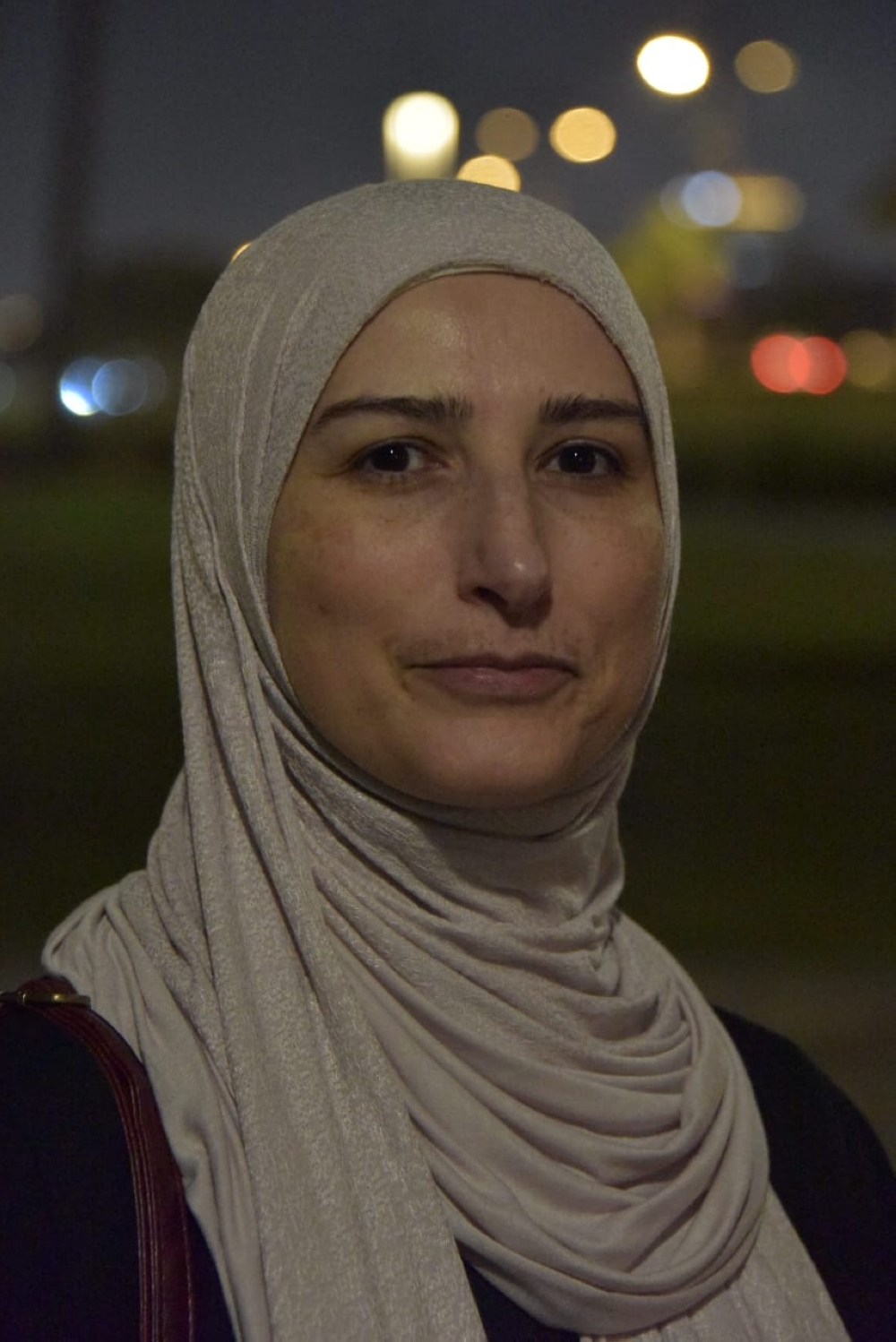
In discussing the survey, occupational Rima Hassan began by emphasizing that International Day of Persons with Disabilities represents a pivotal moment for reflection and celebration. She noted that societal perceptions have moved beyond pity to respect and support, with society now recognizing individuals with abilities that sometimes surpass those of able-bodied people. She affirmed that difference is no longer a flaw but a strength that uplifts society.
Rima Hassan
Specialist Rima expressed her happiness at the spread of rehabilitation programs in Saudi universities, considering that this academic expansion reflects a national trend to enable people with disabilities to achieve complete independence.
Traffic awareness and disability prevention
From another perspective, citizen Hamad Al-Hamami linked the rise in acquired disabilities to reckless driving, issuing a warning to young people that speeding and not wearing seatbelts are the surest paths to life-altering injuries. He urged people with disabilities to recognize the strength inherent in determination, praising the government initiatives that have made them "a force to be reckoned with" in the Emiratization process and employment sectors.
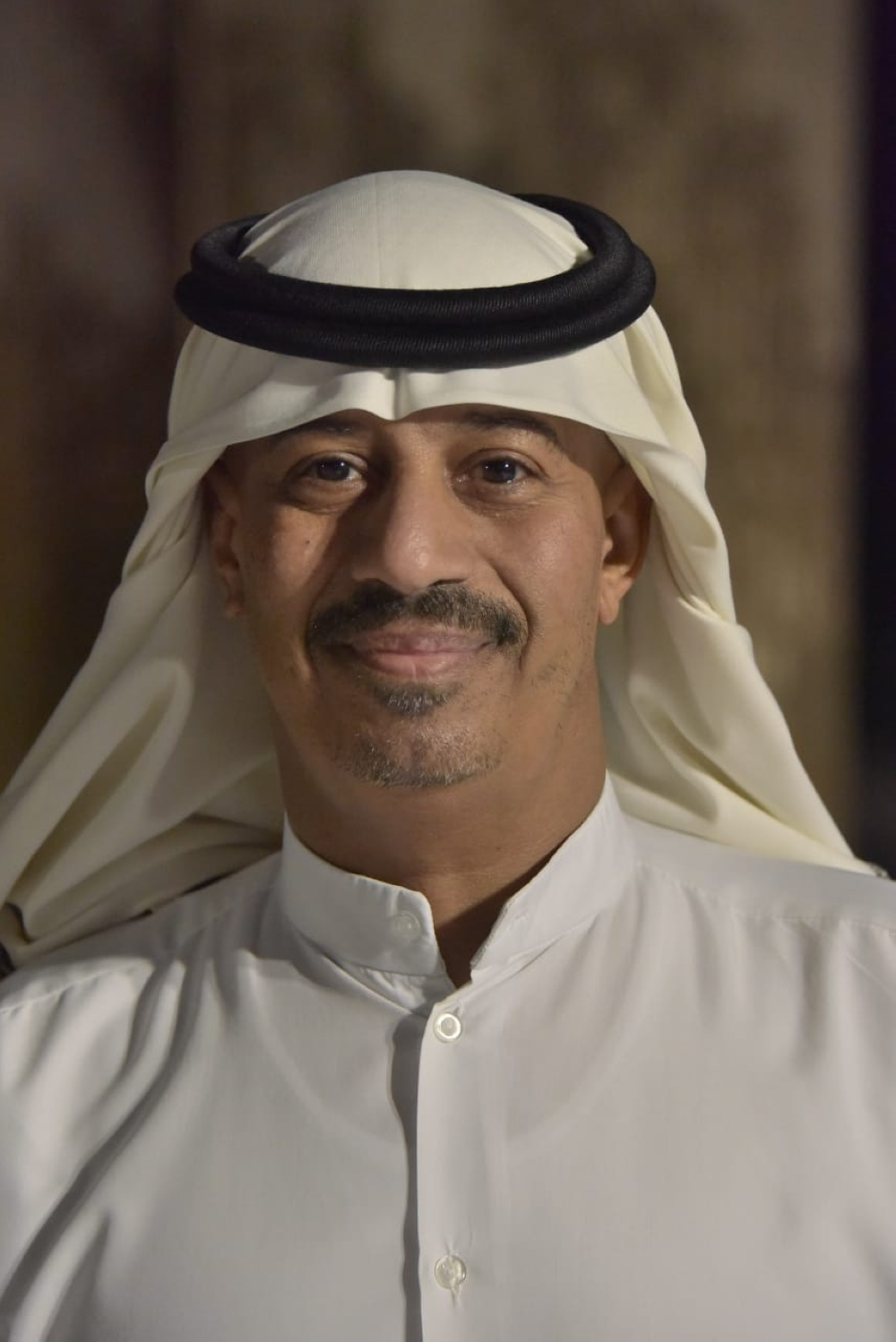
Hamad Al-Hamami

Psychological support and positive terminology
In the same vein, special education specialist Duaa Yahya explained that using terms like “people of determination” has had a profound psychological impact on boosting morale, emphasizing that the presence of a person with a disability in the lives of most Saudi families has helped break down psychological barriers. Duaa offered a message of support to this group, noting that the state has provided an inclusive environment that ensures a high quality of life.

Duaa Yahya
Religious and social responsibility
Citizen Sultan Al-Otaibi believes that respecting the rights of people with disabilities in the Kingdom stems from religious and moral principles before it is a legal obligation, noting that Saudi citizens naturally prioritize giving them priority in public facilities. Al-Otaibi agreed with the view that adhering to traffic regulations is the first line of defense against acquired disabilities.
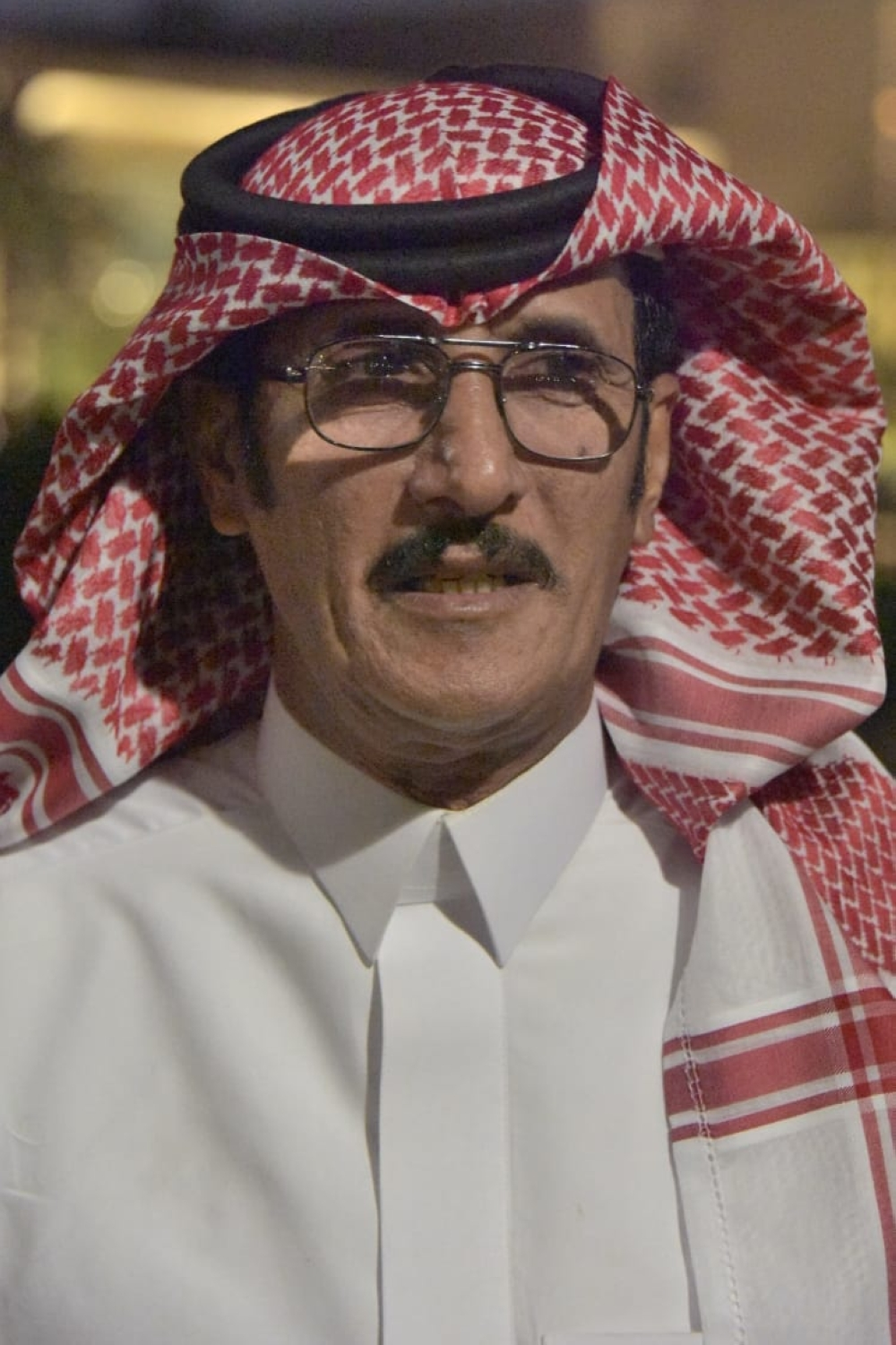
Sultan Al-Otaibi
Voices from the field: gratitude and demands
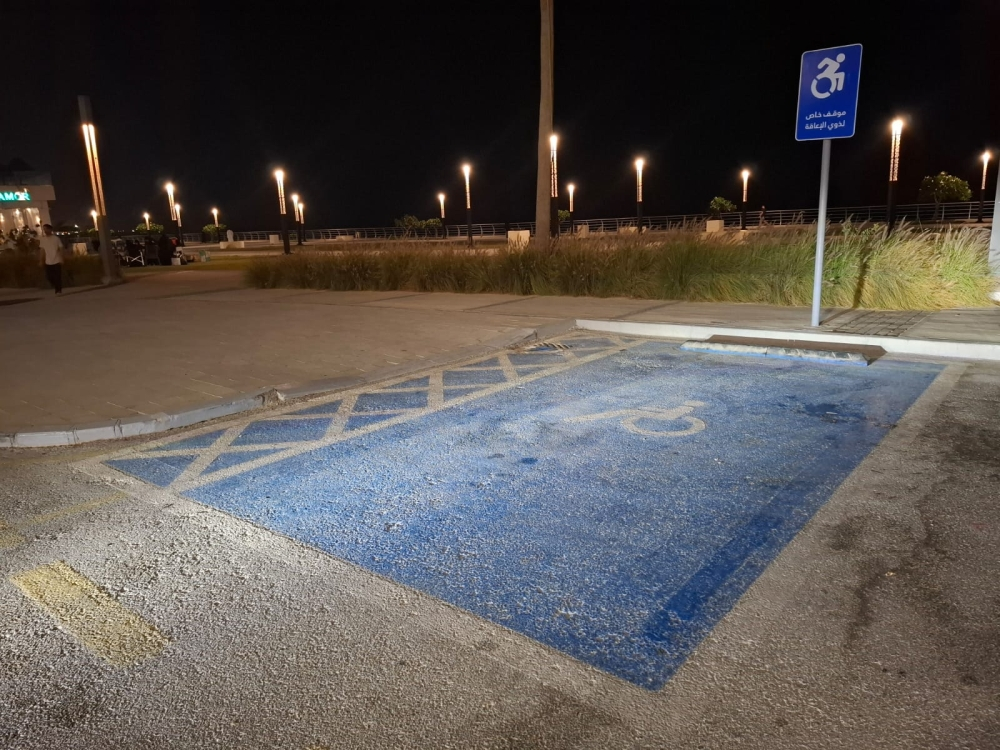
Citizen Yousef Al-Ghazwani, a person with a disability, expressed his gratitude to the leadership, emphasizing that the services provided on the ground—such as designated parking spaces, safe pathways, and healthcare—have made them feel like a top priority. Citizen Turki Al-Ghazwani concluded the discussion by calling for increased media coverage and the development of more accessible recreational spaces for people with disabilities, enabling them to participate fully in their social lives.