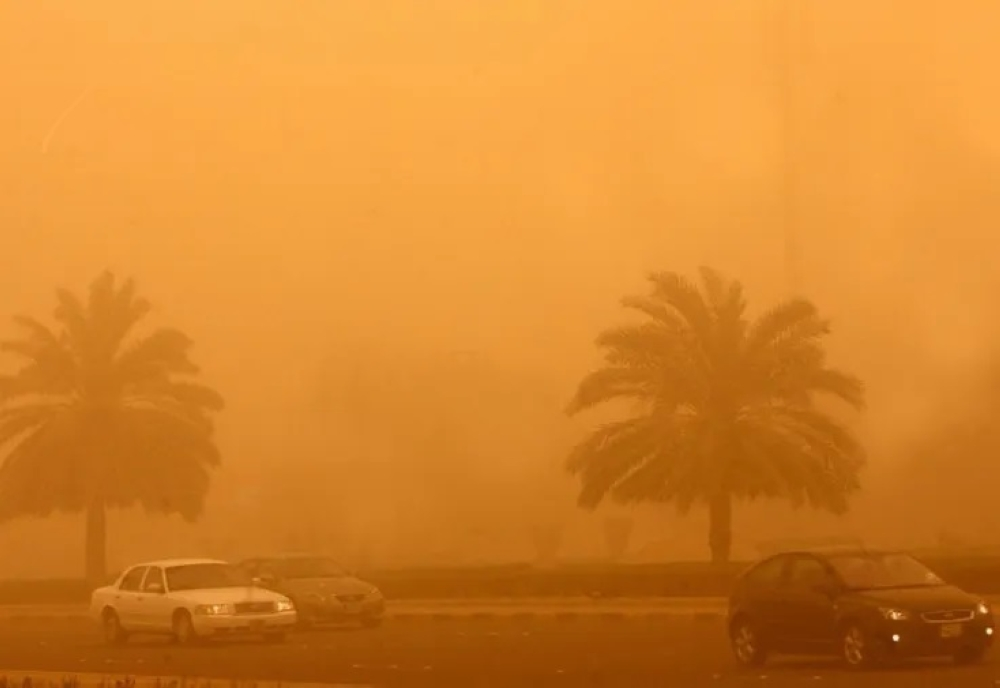
The Regional Center for Dust and Sandstorms announced that Saudi Arabia recorded a significant increase of 24% in the number of dust storms during January 2024, compared to the historical average for the same period. These storms included various weather phenomena, from sandstorms and dust to blowing dust, affecting large areas of the country, causing reduced horizontal visibility and directly impacting daily life.
Details of the rise and its climatic causes
The center attributed this significant increase in dust activity to specific climatic factors, namely the influence of cold, dry northern air masses on the Kingdom's atmosphere. The arrival of these air masses coincided with a noticeable increase in northerly and northwesterly surface winds, which stirred up large quantities of dust and sand from open desert areas, leading to an increase in the number of dusty days recorded during the month.
Al-Jawf, the Central and Eastern regions are among the most affected areas
The report indicated that Al-Jawf region was the most affected, recording a record increase in dust activity of 163% above historical averages. This was followed by the Central region, which saw a 42% increase, impacting major cities such as Riyadh, Dawadmi, and Al-Kharj. The Eastern region recorded a 13% increase, with its impact particularly concentrated in the Al-Ahsa and Hafr Al-Batin governorates.
The historical and environmental context of dust storms in the Kingdom
Due to its geographical location within the so-called "dust belt" stretching from North Africa through the Middle East, Saudi Arabia is among the regions most prone to dust and sandstorms. Its vast deserts, such as the Rub' al Khali and the Great Nafud, are a major source of dust. Historically, these phenomena have been part of the region's climate, but global climate change and increasing desertification rates have contributed to the increased frequency and intensity of these storms in recent years.
Importance and expected impacts locally and regionally
Dust storms have far more than just reduced visibility; their effects extend to multiple areas. Locally , these storms pose a significant challenge to public health, increasing respiratory illnesses and allergies. They also negatively impact vital sectors such as air and land transport, agriculture, and solar energy projects that rely on clean panels. Regionally , transboundary dust can affect air quality in neighboring countries, necessitating regional cooperation to address this phenomenon. The center emphasized that ongoing climate monitoring and analysis efforts aim to strengthen early warning systems and enhance the preparedness of governmental and community entities to deal with these phenomena and mitigate their negative impacts on people and the environment.