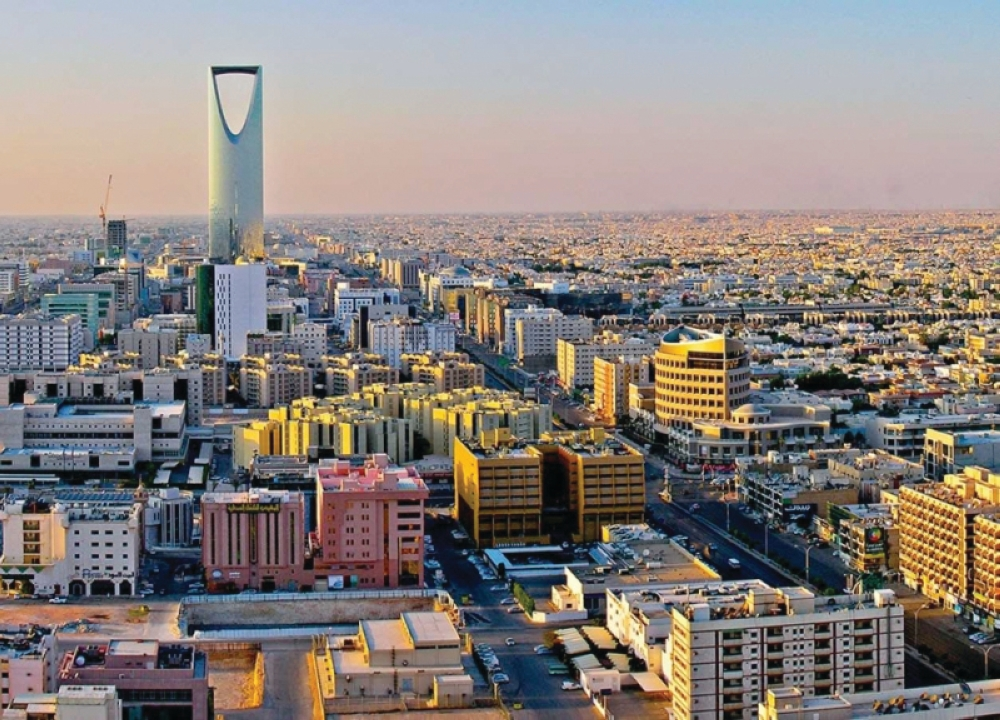
In its latest report, Standard & Poor's, the global rating agency, affirmed the Kingdom of Saudi Arabia's credit rating at "A+" with a stable outlook. This significant announcement reflects the strength and resilience of the Saudi economy in the face of global challenges and underscores the success of the fiscal and economic policies adopted by the Saudi government to ensure sustainable growth and long-term financial stability.
The journey of economic transformation and Vision 2030
Historically, the Saudi economy has relied heavily on oil revenues as its primary driver of growth. However, with the launch of Vision 2030 in 2016, the Kingdom embarked on a new historical phase aimed at diversifying its sources of income and reducing its dependence on the volatility of global energy markets. This strategic shift has played a crucial role in bolstering the confidence of international rating agencies. The Kingdom has demonstrated an exceptional ability to adapt to crises, from global economic challenges to current geopolitical tensions, making its economy one of the fastest-growing and most dynamic within the G20 in recent years.
High resilience in the face of geopolitical challenges
Standard & Poor's explained in its report that the affirmation of the Kingdom's credit rating reflects the country's high degree of flexibility in its economic policies. Among the most prominent factors contributing to this positive assessment is Saudi Arabia's exceptional ability to manage its vital exports. For example, the Kingdom possesses a sophisticated infrastructure that enables it to transport crude oil exports to the Red Sea via pipelines stretching from east to west, thus overcoming numerous logistical challenges. Furthermore, its substantial oil storage capacity effectively mitigates the impact of ongoing conflicts and tensions in the Middle East region.
Unprecedented boom in the non-oil sector
The agency affirmed that the stable outlook reflects its positive view of the country's non-oil growth momentum, as well as the government's ability to prioritize in a way that supports the economy and fiscal trajectory. It noted that the non-oil sector, including government activities, now accounts for approximately 70% of GDP, a significant increase compared to the 65% recorded in 2018. This structural progress is a direct result of ongoing economic diversification efforts. The agency expects this expansion to continue supporting growth over the medium term, projecting real GDP growth of 4.4% in 2026 and an average growth rate of 3.3% between 2027 and 2029.
Strategic dimensions of affirming the Kingdom's credit rating
the Kingdom’s credit rating carries significant weight and far-reaching implications at the local, regional, and international levels. Domestically, this rating enhances investor confidence in the Saudi business environment, facilitating the attraction of foreign direct investment to finance mega-projects associated with Vision 2030. Regionally, this achievement solidifies Saudi Arabia’s position as a leading economic power and a safe haven for investments in the Middle East. Internationally, maintaining a high sovereign rating grants the Kingdom greater access to global debt markets on favorable financing terms, reflecting the international financial community’s confidence in the country’s prudent financial management.
Wise financial management and strong reserves
Despite the anticipated increase in public debt to finance development projects, Standard & Poor's expects the Kingdom to maintain strong and robust financial reserves. Even before the current geopolitical developments, the Saudi government prioritized economic diversification projects, carefully managing development plans in line with available resources. The Kingdom is expected to continue its flexible and prudent approach to fiscal policy, remaining fully committed to achieving the goals of Saudi Vision 2030 without jeopardizing public finances, thus ensuring a prosperous and sustainable economic future.