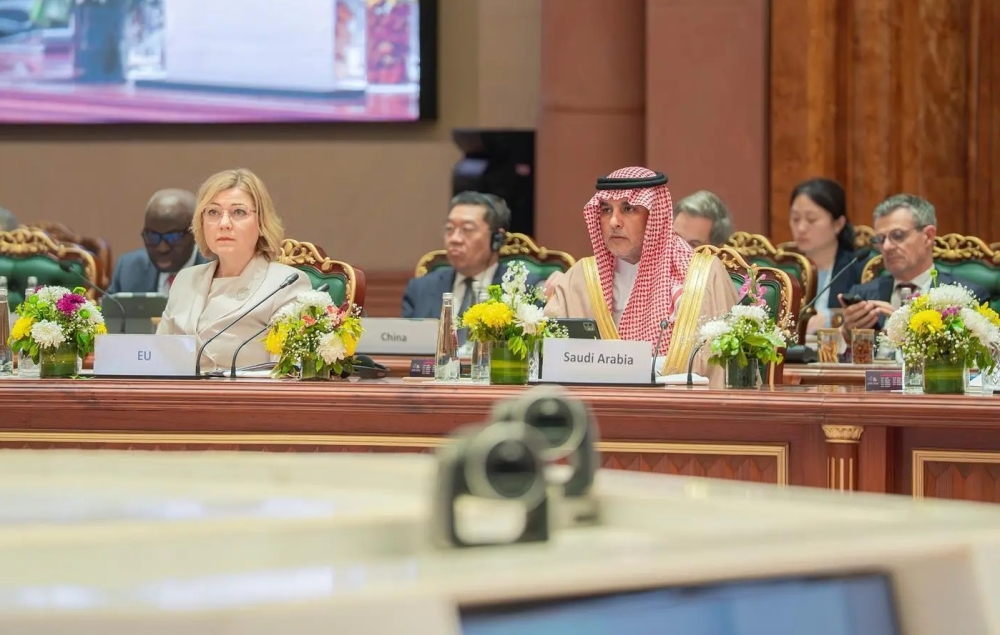
His Excellency Dr. Abdullah bin Sharaf Al-Ghamdi, President of the Saudi Data and Artificial Intelligence Authority (SDAIA), affirmed that the Kingdom of Saudi Arabia, in line with the ambitious goals of Vision 2030, is confidently progressing towards building a comprehensive and reliable national artificial intelligence ecosystem. This came during his address at the high-level ministerial session of the AI Impact Summit 2026, held in the Republic of India, where he highlighted the comprehensive Saudi strategy aimed at harnessing the potential of this technology to achieve sustainable development and enhance the quality of life.
Strategic background: Artificial intelligence at the heart of Vision 2030
These efforts are part of the comprehensive national transformation led by the Kingdom’s Vision 2030, which places digital transformation and innovation at the heart of its goals to diversify the economy and build a sustainable future. Recognizing the pivotal importance of data and artificial intelligence, the Saudi Data & Artificial Intelligence Authority (SDAIA) was established in 2019 by royal decree to serve as the national authority on all matters related to their regulation, development, and implementation. In 2020, the Kingdom launched the National Data & Artificial Intelligence Strategy (NSDAI), which aims to position Saudi Arabia as a global leader in this field by 2030, by attracting $20 billion in investments and training more than 20,000 specialists.
Three key pillars of the Saudi artificial intelligence strategy
Dr. Al-Ghamdi explained that the Saudi strategy is based on three main pillars to ensure the full unleashing of the potential of artificial intelligence and to achieve a sustainable developmental impact:
- Building People First: Al-Ghamdi emphasized that the first pillar is empowering people and enhancing their readiness to engage with artificial intelligence technologies. He pointed to ambitious national initiatives such as the SMAI initiative, which, in just one year, successfully trained more than 1.2 million people, moving society from the stage of awareness to the stage of practical empowerment, thus ensuring the development of a generation capable of innovation and global competition.
- An integrated innovation ecosystem: The second pillar involves building a comprehensive national artificial intelligence ecosystem that acts as an engine for expansion and innovation. This includes developing advanced digital infrastructure and increasing investments in specialized data centers through companies like Human, with the aim of enabling various public and private sectors to adopt AI applications efficiently and effectively.
- Responsible and Ethical Governance: The head of SDAIA emphasized that the third pillar is governance, which ensures the accountability and measurability of artificial intelligence. This is achieved through the development of a national framework aligned with international standards, fostering public trust and guaranteeing the ethical use of the technology. This framework includes national indicators to measure the maturity of data and artificial intelligence within government entities, ensuring transparency and accountability.
Expected impact: Local leadership and international partnerships
Building this integrated system will not only have a local impact, but will also enhance the Kingdom's position as a leading technology hub regionally and internationally. Locally, these efforts will contribute to developing government services, creating quality jobs, and accelerating transformation in vital sectors such as health, education, and energy. Internationally, Dr. Al-Ghamdi affirmed the Kingdom's readiness to partner with governments, the private sector, and academic institutions worldwide to build a responsible artificial intelligence system that serves humanity and contributes effectively to achieving the United Nations Sustainable Development Goals 2030.