Announcement of the Kingdom's estimated budget for 2025
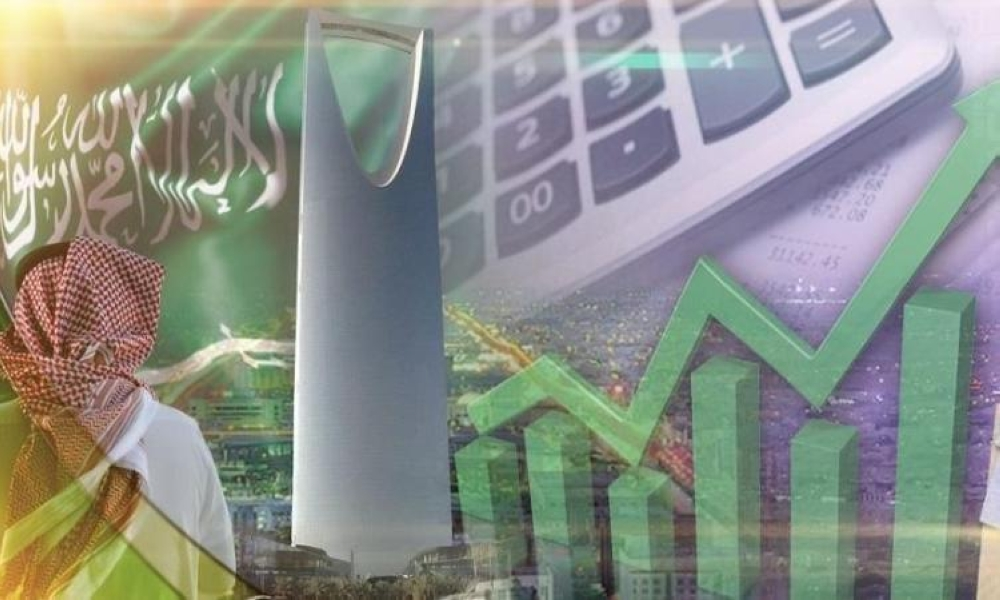
The Saudi Ministry of Finance announced the Kingdom's 2025 budget, reflecting the government's continued commitment to its ambitious plans for comprehensive economic transformation. According to the official statement, total revenues are projected to reach approximately SAR 1.111 trillion, while total expenditures are estimated at SAR 1.388 trillion. These figures indicate a projected budget deficit of SAR 276 billion, which aligns with the government's strategy of expanding capital spending to support sustainable economic growth and achieve the goals of Saudi Vision 2030.
Analysis of revenue sources: Non-oil sector growth
The budget details demonstrate the continued success of efforts to diversify income sources and reduce dependence on oil. Oil revenues are projected to reach approximately SAR 606.54 billion, while non-oil revenues are expected to see a significant increase to SAR 505.28 billion, representing nearly 45% of total revenues. This notable growth in the non-oil sector is a strong indicator of the maturity and resilience of the Saudi economy and reflects the positive impact of the economic and structural reforms implemented in recent years, which included the development of new sectors such as tourism, entertainment, technology, and manufacturing.
Historical context and Saudi Vision 2030
This budget comes at a significant historical juncture, representing a new chapter in the journey of Saudi Vision 2030, launched in 2016. The Vision primarily aims to build a prosperous economy, a vibrant society, and an ambitious nation by reducing the Kingdom's historical dependence on crude oil exports. The past few years have witnessed the launch of mega-projects and strategic investments, spearheaded by the Public Investment Fund (PIF), designed to stimulate the private sector and attract foreign investment. The current budget figures are tangible evidence that the Kingdom is steadily progressing towards achieving these goals, with the non-oil sector becoming a key driver of economic growth.
Importance and expected impacts of the budget
Domestically, the increased government spending is expected to enhance the quality of public services provided to citizens, such as education and healthcare, as well as continue work on major projects that create thousands of jobs and bolster infrastructure. Regionally and internationally, this budget reinforces the Kingdom's position as the largest economy in the Middle East and an influential player within the G20. The stability and sustainable growth of the Saudi economy send a message of confidence to international investors and underscores the attractiveness of the Saudi market as a promising investment destination. Furthermore, the success of the Kingdom's economic diversification model may inspire other countries in the region to adopt similar strategies for achieving sustainable development.