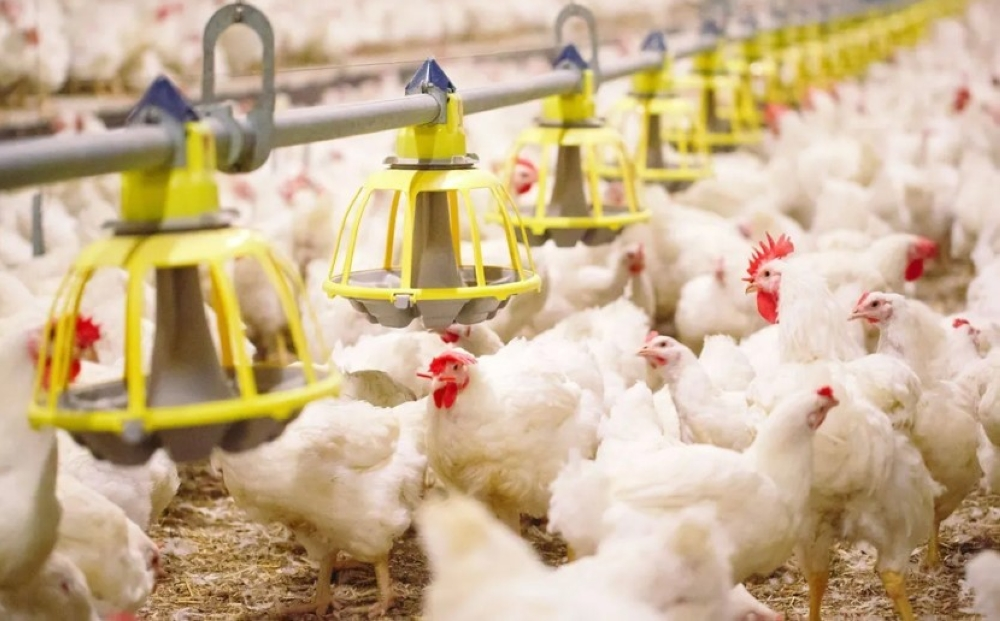
In a precautionary measure aimed at protecting public health and local livestock, the Saudi Food and Drug Authority (SFDA) announced an immediate and temporary ban on the import of poultry meat, table eggs, and their products and equipment from the Côtes-d'Armor region of France. This decision comes in direct response to international reports confirming an outbreak of a highly pathogenic strain of avian influenza in that region.
Background on avian influenza and global measures
Avian influenza, particularly highly pathogenic strains such as H5N1, is a viral disease that affects birds and can spread rapidly among poultry flocks, causing significant economic losses. Although transmission to humans is rare, global health authorities take it very seriously to prevent any viral mutations that could pose a risk to human health. Temporary import bans from affected areas are an internationally recognized practice recommended by the World Organisation for Animal Health (OIE) to limit the spread of the disease across borders and maintain the integrity of global food supply chains.
Details of the Saudi decision and its impact
The Saudi Food and Drug Authority's decision was based on an immediate notification report issued by the World Organisation for Animal Health (WOAH), which confirmed an outbreak of the disease in the aforementioned French province. Accordingly, the Ministry of Commerce, through the Federation of Saudi Chambers, circulated the decision to all importers and companies to ensure immediate compliance. This measure aims to prevent any products that may carry the virus from entering Saudi markets, thus protecting the local poultry sector, which is experiencing significant growth as part of the Kingdom's Vision 2030 goals for achieving food security.
On the economic front, the decision may have a slight impact on importers who rely specifically on this region, but it will, in turn, boost consumer confidence in products available on the domestic market. It will also encourage importers to diversify their sources from other disease-free areas, both within France and internationally, thus ensuring a stable supply.
Exceptions and health conditions
To balance protection with the flow of goods, the decision exempted poultry meat, table eggs, and their products that have undergone sufficient heat treatment to eliminate the avian influenza virus. This treatment, such as pasteurization or high-temperature cooking, ensures the product's safety for human consumption. To allow the entry of these exempted products, the Authority stipulated the inclusion of an official health certificate issued by the competent authorities in France, confirming that the product has either undergone the required heat treatment or was produced in a region completely free of the virus, while also ensuring its compliance with all Saudi standards and specifications. These meticulous procedures reflect the vigilance of the Kingdom's regulatory bodies and their commitment to applying the highest food safety standards.