In a strategic move aimed at protecting its precious water resources, the Ministry of Environment, Water and Agriculture in the Kingdom of Saudi Arabia has settled the debate surrounding water-intensive crops. The Ministry officially announced that Monday, November 17, 2026 (07/06/1448 AH), will be the final and mandatory date for ceasing the cultivation of perennial fodder crops in sedimentary aquifers, which are among the most important groundwater reservoirs in the country.
Background of the decision and its strategic importance
This decisive decision comes in implementation of high-level directives mandating the addressing of groundwater depletion. A phased implementation plan has been developed over three years to give farmers time to adjust. Due to its geographical location and desert climate, the Kingdom faces significant water challenges, relying heavily on non-renewable groundwater to meet its agricultural and urban needs. Over the past decades, agricultural expansion policies, while successful in achieving certain food security goals, have placed immense pressure on these vital resources, making the shift towards sustainable agricultural practices an urgent necessity.
Environmental and economic impact of the decision
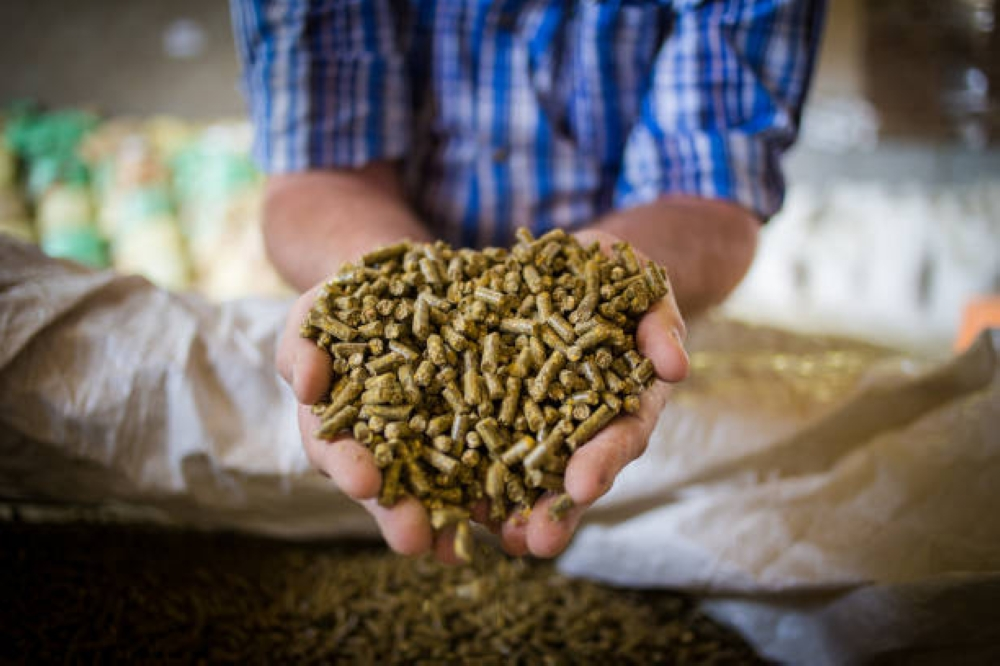
The ministry confirmed that the countdown to implementation has officially begun, with only 296 days remaining until the decision takes effect. This necessitates that farmers utilize this transitional period to switch to approved alternatives. This radical shift aims to address the significant difference in water consumption between different types of fodder. Official statistics indicate that perennial fodder, such as alfalfa, consumes approximately 32,000 cubic meters of water per hectare annually. In contrast, data shows that switching to seasonal fodder will drastically reduce this consumption, as its water requirements do not exceed 9,000 cubic meters per hectare, thus saving substantial quantities of precious groundwater.
Alignment with the Kingdom's Vision 2030
This stringent measure falls within the framework of implementing Cabinet Resolution No. 66 and reflects a firm commitment to the comprehensive national strategy aimed at protecting natural resources from overexploitation and ensuring water security for future generations. The Ministry emphasized that the shift to seasonal agriculture is no longer an option but an urgent necessity to achieve agricultural sustainability and enhance the efficiency of natural resource use. This aligns directly with the objectives of the Kingdom's Vision 2030, which places environmental sustainability at the heart of its development priorities. The decision is expected to have a long-term positive impact on the local environment and will further solidify the Kingdom's position as a leading nation in adopting sound resource management policies in the Middle East region.