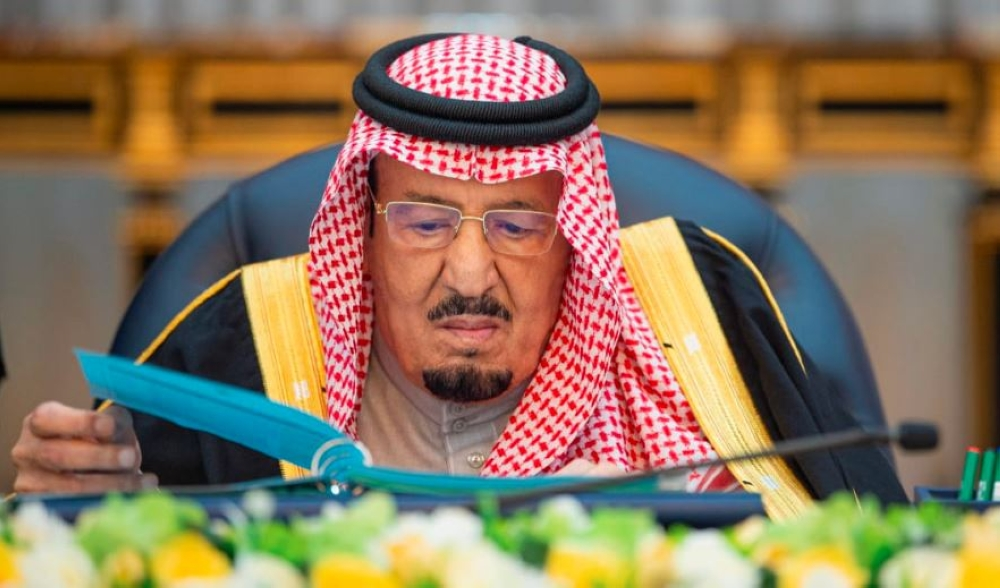
In a historic step reflecting the deepening relations between the two countries and propelling Gulf integration to new heights, the Saudi Cabinet, during its session held in Riyadh and chaired by the Custodian of the Two Holy Mosques, King Salman bin Abdulaziz Al Saud, approved the agreement for a high-speed electric rail link with the State of Qatar. This decision represents a qualitative leap in the region's transportation infrastructure and establishes a new phase of economic and social cooperation between Riyadh and Doha.
General context and historical background of the project
This approval comes as part of the GCC Railway project, an ambitious strategic initiative aimed at linking the six member states with an integrated rail network. While the idea for the project dates back several years, it has recently gained renewed momentum, with bilateral projects between member states becoming a key driver for achieving this larger goal. The railway link between Saudi Arabia and Qatar is one of the most important of these bilateral connections, given the economic and political weight of both countries in the region.
This decision also comes in the context of the aftermath of the “Al-Ula Summit,” which restored warmth to Gulf relations, as the two countries work to strengthen their partnership in various fields. Joint infrastructure projects, such as this train, are considered a practical embodiment of this shared vision and a desire to build a more interconnected and prosperous future.
Strategic importance and expected impact of the project
The high-speed electric train project between Saudi Arabia and Qatar carries important strategic, economic and social dimensions, and is expected to have wide-ranging effects at both the local and regional levels:
- On the economic front, the project will significantly boost trade by providing an efficient and cost-effective means of transporting goods, opening new markets for businesses in both countries. It will also provide a major boost to the tourism sector, facilitating the movement of tourists, visitors, and residents, particularly during major events such as religious festivals in the Kingdom or international sporting and cultural events hosted by Qatar.
- On a social level, the train will strengthen social and family ties between the people of both countries, offering a safe, comfortable, and fast means of travel. It will also facilitate the movement of employees and students, creating new opportunities for work and study across the border.
- Regionally, the project represents a practical step towards achieving the desired Gulf economic integration and enhances the region's position as a global logistics hub connecting East and West. It is also fully aligned with Saudi Arabia's Vision 2030 and Qatar's National Vision 2030, both of which focus on economic diversification and the development of sustainable infrastructure.
Approving this agreement is not just an administrative decision, but a declaration of the launch of a new phase of strategic partnership that will benefit the citizens of both countries and contribute to achieving stability and growth in the entire Arabian Gulf region.