In a high-level diplomatic move reflecting the seriousness of the situation in the Palestinian territories, the foreign ministers of eight key countries – the Kingdom of Saudi Arabia, the Hashemite Kingdom of Jordan, the United Arab Emirates, the Republic of Indonesia, the Islamic Republic of Pakistan, the Republic of Turkey, the State of Qatar, and the Arab Republic of Egypt – issued a joint statement expressing their deep concern over the rapidly deteriorating humanitarian situation in the Gaza Strip.
This statement comes at a critical time, as ongoing military operations coincide with harsh weather conditions, putting the lives of hundreds of thousands of civilians at risk. This diplomatic alliance represents significant regional and Islamic influence, aiming to pressure the international community to uphold its responsibilities towards defenseless civilians.
A harsh winter exacerbates the tragedy of displacement
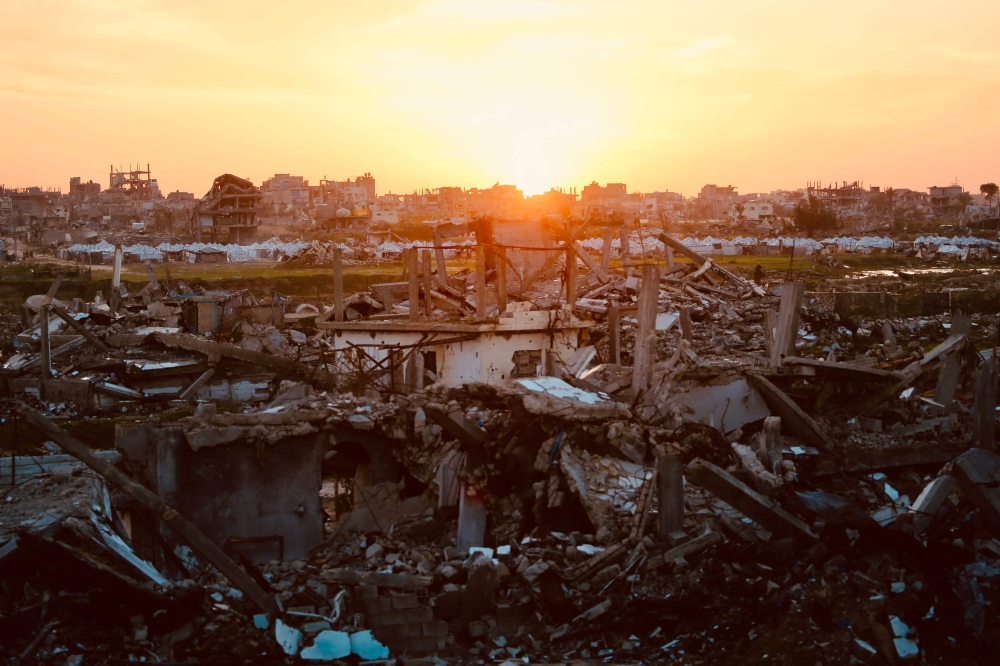
The ministers highlighted the compounded crisis facing the Gaza Strip, where harsh weather conditions—including heavy rains, storms, and a sharp drop in temperatures—have exposed the precarious humanitarian situation of nearly 1.9 million displaced Palestinians. Thousands of families are living in dilapidated tents and inadequate shelters that offer no protection from the cold or rain, increasing the risk of disease outbreaks, particularly given the collapse of sanitation infrastructure and the accumulation of garbage.
The statement indicated that these difficult natural conditions, combined with the severe shortage of food, medicine and fuel, threaten the lives of the most vulnerable groups, specifically children, women and the elderly, in addition to those with chronic diseases who lack the most basic elements of health care.
UN support and demands to end restrictions
In a related context, the ministers commended the heroic role played by UN agencies, particularly the United Nations Relief and Works Agency for Palestine Refugees (UNRWA), and non-governmental organizations in providing aid despite the immense risks. The statement called upon Israel, as the occupying power, to comply with international humanitarian law and ensure that these organizations operate with complete independence and without any obstacles or restrictions that limit their access to those in need.
The eight countries reiterated their full support for Security Council Resolution 2735 and the comprehensive plan referred to in the statement, calling on all parties to commit to a permanent ceasefire, complete prisoner exchange deals, and ensure the sustainable flow of humanitarian aid.
The responsibility of the international community and the future of the sector
The final statement stressed that temporary solutions are no longer effective, emphasizing the urgent need to launch an early recovery process that includes providing dignified and permanent shelter for the population and restoring essential services. The ministers called on the international community to exert real pressure to lift the blockade and allow the entry of necessary equipment to shelter the population and protect them from the winter cold, including tents, fuel, and clean water.
The ministers concluded their statement by emphasizing that ending human suffering is inseparable from the political process, stressing the need to move forward on a credible path that guarantees the Palestinian people’s right to self-determination and the establishment of their independent state, as the only way to achieve sustainable stability in the region.