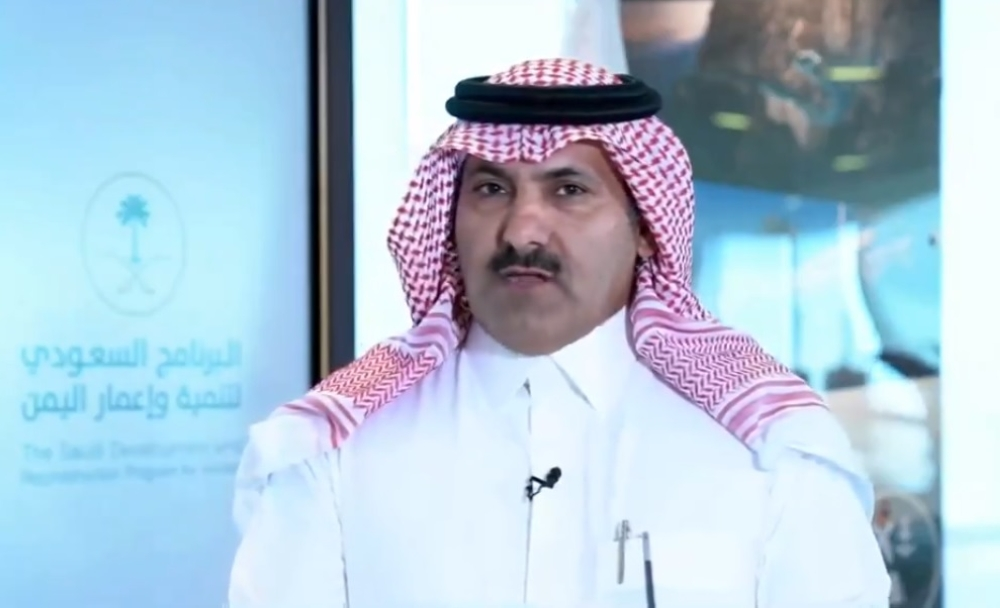
أكد سفير خادم الحرمين الشريفين لدى اليمن، المشرف على البرنامج السعودي لتنمية وإعمار اليمن، محمد آل جابر، موقف المملكة العربية السعودية الثابت والداعم لجهود السلام والأمن والاستقرار في الجمهورية اليمنية. وجاءت تصريحات السفير لتضع النقاط على الحروف فيما يخص التطورات الأخيرة، مشدداً على أن المملكة كانت ولا تزال السند الحقيقي للشعب اليمني في مختلف المراحل السياسية والاقتصادية.
دعم القضية الجنوبية عبر الحوار السياسي
وفي سياق حديثه عن الوضع في المحافظات الجنوبية، أوضح آل جابر عبر حسابه على منصة "إكس" أن المملكة دعمت ولا تزال تدعم القضية الجنوبية باعتبارها قضية عادلة تمتلك أبعاداً تاريخية واجتماعية عميقة. وأشار إلى أن الحل الحقيقي والمستدام لهذه القضية لا يمكن أن يتحقق إلا عبر طاولة الحوار السياسي البناء، وبما يلبي تطلعات المواطنين في المحافظات الجنوبية، بمن فيهم المكونات السياسية مثل المجلس الانتقالي الجنوبي.
وحذر السفير من خطورة استغلال القضية الجنوبية للمزايدة السياسية أو لتحقيق مكاسب شخصية ضيقة، مؤكداً أن سياسات الإقصاء والتهميش أضرت بمكتسبات الجنوبيين التي تحققت عبر مسارات سياسية شاقة، بدءاً من مخرجات الحوار الوطني الشامل عام 2014، ومروراً باتفاق الرياض عام 2019 الذي رعته المملكة لرأب الصدع، وصولاً إلى قرار نقل السلطة وتشكيل مجلس القيادة الرئاسي في عام 2022.
السياق التاريخي وجهود المملكة لتوحيد الصف
تأتي هذه التصريحات في وقت حساس يمر به اليمن، حيث سعت المملكة العربية السعودية طوال السنوات الماضية إلى توحيد الصف اليمني لمواجهة التحديات المشتركة. وقد لعبت الرياض دوراً محورياً في التوصل إلى "اتفاق الرياض" الذي هدف لإنهاء التوتر العسكري في الجنوب وتوحيد الجهود العسكرية والأمنية تحت مظلة الحكومة الشرعية. وتعتبر المملكة أن أي تصعيد عسكري داخلي بين المكونات المناهضة للانقلاب الحوثي يصب في مصلحة الفوضى ويضعف مؤسسات الدولة الشرعية.
انتقاد القرارات الأحادية والتصعيد العسكري
وفي نقد صريح للتطورات الأخيرة، أشار آل جابر إلى أن رئيس المجلس الانتقالي الجنوبي، عيدروس الزبيدي، اتخذ سلسلة من القرارات الأحادية التي تتنافى مع التزاماته السياسية كعضو في مجلس القيادة الرئاسي. ووصف السفير الهجوم العسكري على محافظتي حضرموت والمهرة بأنه أخطر تلك القرارات، نظراً لما سببه من اختلالات أمنية وترويع للآمنين في محافظات ظلت بعيدة عن الصراع المباشر وتعد شرياناً اقتصادياً حيوياً لليمن.
وكشف السفير عن جهود سعودية حثيثة بُذلت لأسابيع لإنهاء هذا التصعيد، تضمنت مقترحات بخروج قوات الانتقالي من المعسكرات وتسليمها لقوات "درع الوطن" في حضرموت. إلا أن هذه الجهود قوبلت بتعنت، وصل ذروته برفض إصدار تصريح لطائرة وفد رسمي سعودي في تاريخ 1 يناير 2026م إلى عدن، وإغلاق حركة الطيران في مطار عدن، وهو ما وصفه السفير بالتصرف غير المسؤول الذي يضر بمصالح الشعب اليمني ويقوض جهود التنسيق المشترك.
الأهمية الاستراتيجية لاستقرار المحافظات الشرقية
يكتسب الحفاظ على الأمن في محافظتي حضرموت والمهرة أهمية استراتيجية قصوى، ليس فقط لليمن بل للمنطقة بأسرها. فهذه المحافظات تمثل العمق الجغرافي والاقتصادي لليمن، وتعد مركزاً للثروة النفطية والمنافذ الحدودية. إن أي زعزعة للاستقرار فيها تؤثر بشكل مباشر على الوضع الاقتصادي المتردي أصلاً، وتعوق جهود التنمية والإعمار التي تقودها المملكة، مما ينعكس سلباً على حياة المواطن اليمني البسيط.
واختتم آل جابر تصريحاته بتحميل عيدروس الزبيدي المسؤولية المباشرة عن تنفيذ أجندات قد تخلق فجوة بين أبناء الجنوب وأشقائهم في المملكة، معرباً في الوقت ذاته عن أمله الكبير في العقلاء من قيادات المجلس الانتقالي لتغليب لغة العقل والحكمة، بما يحقق تطلعات الشعب اليمني في شماله وجنوبه نحو السلام والتنمية.