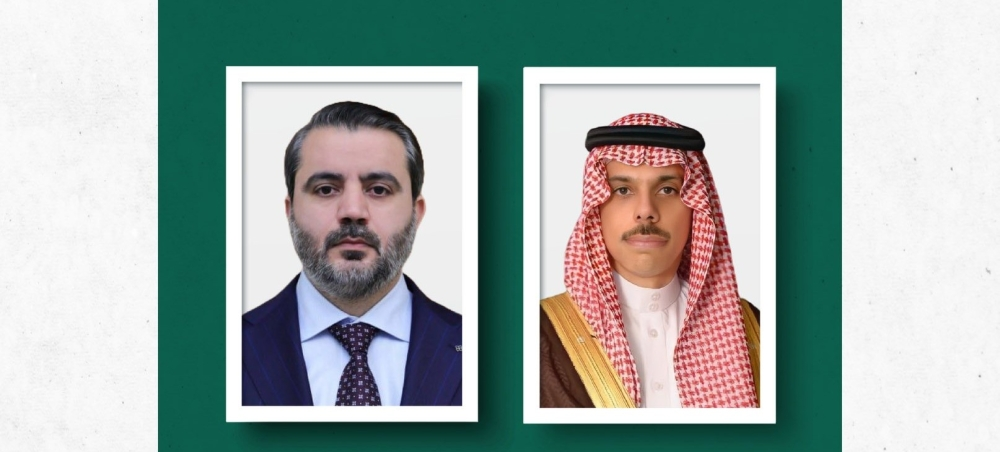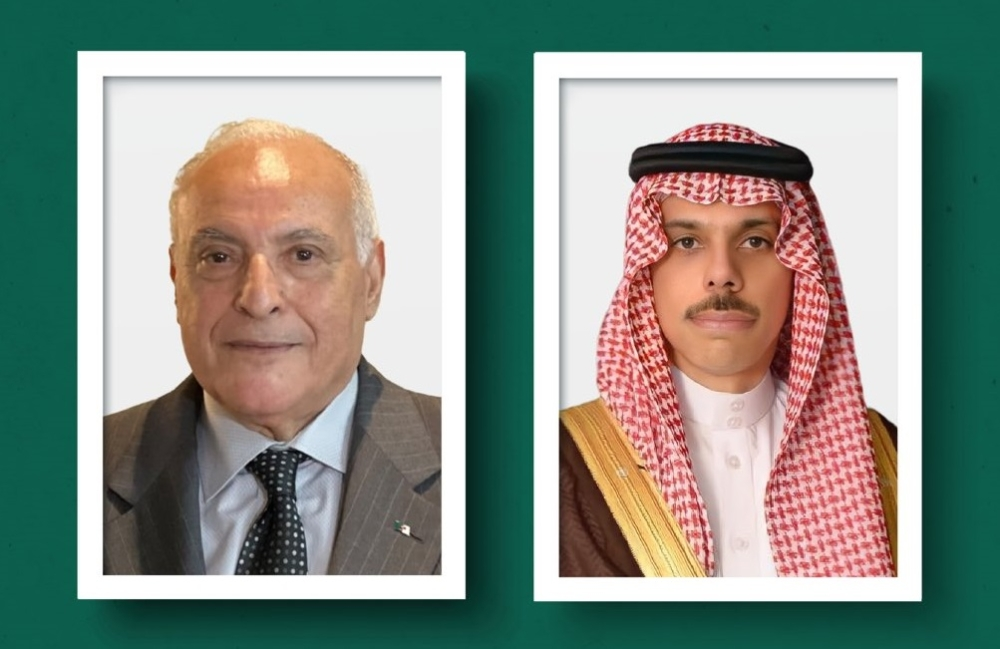
His Highness Prince Faisal bin Farhan bin Abdullah, the Saudi Minister of Foreign Affairs, received an important telephone call from His Excellency Mr. Ahmed Attaf, Minister of State, Minister of Foreign Affairs, the National Community Abroad, and African Affairs of the People's Democratic Republic of Algeria. The bilateral discussions during this call focused on reviewing the latest developments in the region , in addition to discussing joint diplomatic efforts to address current challenges in a way that serves regional and international peace and security.
The depth of historical relations and their impact on current developments in the region
The relations between the Kingdom of Saudi Arabia and the People's Democratic Republic of Algeria are based on deep historical roots and solid foundations of brotherhood and mutual cooperation. For decades, the leadership of both countries has been keen to enhance continuous consultation and coordination on various Arab and Islamic issues. The importance of this coordination is particularly evident in light of the rapidly evolving challenges facing the Middle East and North Africa, where Saudi and Algerian diplomacy plays a pivotal role in bridging differences and supporting peaceful solutions to crises. The convergence of views between Riyadh and Algiers reflects a shared commitment to protecting higher Arab interests and unifying ranks to confront any threats that might undermine the stability of Arab states.
The importance of joint coordination to enhance regional and international stability
These telephone conversations come at a crucial and sensitive time, as rapid geopolitical developments necessitate concerted efforts and intensified communication channels among key players in the Arab world. Exchanging views on pressing issues directly contributes to formulating unified positions capable of exerting a positive influence in international forums. Regionally, Saudi-Algerian coordination represents a fundamental pillar for supporting joint Arab action and strengthening the mechanisms of the League of Arab States in addressing crises, whether in the Palestinian territories or other hotspots in the region.
On the international level, the convergence of visions between the two countries strengthens the Arab position before the international community and UN organizations. The Kingdom of Saudi Arabia, with its political, economic, and religious weight, and Algeria, with its active diplomatic role and current non-permanent membership on the UN Security Council, together constitute a powerful diplomatic force capable of clearly conveying the Arab voice and demanding the implementation of international resolutions. The continuation of these meetings and communications underscores the commitment of the two brotherly nations to continue working diligently to ensure a more secure and prosperous future for all the peoples of the region.
Prospects for bilateral cooperation and sustainable development
In addition to political and security matters, both sides recognize the importance of strengthening bilateral partnerships in the economic and developmental fields. Continuous consultation opens new horizons for increasing trade volume and encouraging mutual investments, in line with the Kingdom's Vision 2030 and Algeria's ambitious development plans. This comprehensive approach to bilateral relations, combining political coordination and economic cooperation, ensures the building of a sustainable strategic partnership that benefits both brotherly nations and supports the path of development and prosperity in both countries, positively impacting their ability to confront shared global challenges with resilience and competence.